FCC Bars 7 Individuals After $14 Million E-Rate Fraud
Those convicted will be suspended from all universal service programs for the next three years.

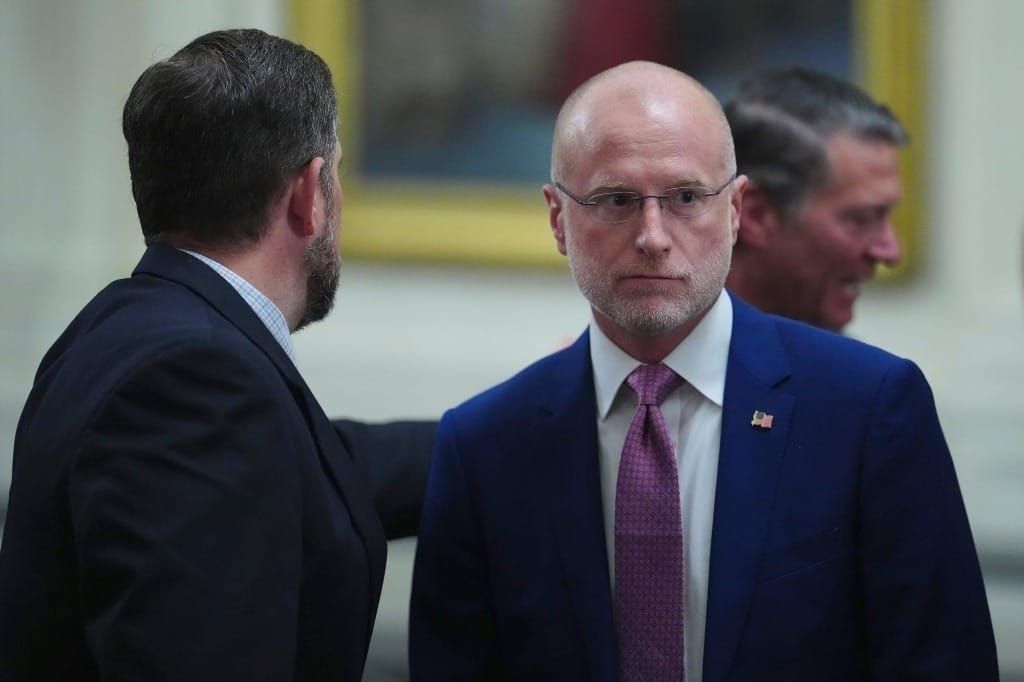
WASHINGTON, March 24, 2026 – The Federal Communications Commission barred seven criminally convicted individuals who defrauded its E-Rate program and received more than $14 million from 2010 to 2016.
The FCC’s Enforcement Bureau announced Friday that the individuals controlled corporations that received millions through E-Rate, which is financed by the Universal Service Fund (USF) and provides broadband and internet discounts for schools and libraries. The individuals failed to provide the equipment that they billed the federal government for through E-Rate, and have now been suspended from all USF programs for the next three years.
The FCC has been working to streamline the suspension process for fraud and misuse of public funds. The agency will hold its Open Commission Meeting next week on March 26, where it will discuss and vote on a variety of rulemaking measures, including “Modernizing Suspension and Debarment Rules.” The FCC said it hopes this process will enable quicker action against misconduct to better protect federal programs from fraud, waste and abuse.

“Barring fraudsters from our connectivity programs is a fundamental responsibility of this agency,” said FCC Chairman Brendan Carr. “This is a just conclusion to this troubling case. But it also demonstrates the need for new tools to strengthen oversight of programs like the Universal Service Fund. We have more work to do on that front, and we intend to do it. [This] week’s vote is a strong step forward for these overdue reforms.”
In 2023, the U.S. Department of Justice announced the sentencing of the seven individuals who pleaded guilty for defrauding E-Rate and were connected to private religious schools in Rockland County, New York. In April 2025, the seven individuals were suspended from participating in the E-Rate program, before today’s announcement of the total suspension of participation in any other USF programs for three years.
On Jan. 5, the Government Accountability Office found that the E-Rate program has adequate fraud prevention measures, and ranked it the best in anti-fraud compared to four other government programs. As a result, GAO did not recommend the FCC take any action in light of the report. However, the FCC’s upcoming Open Commission Meeting next week looks to continue modernizing suspension and fraud regulations.