Abe Salander and Zeb Zankel: Real Estate and Commercial Strategies for Monetizing Dark Fiber
Electric utilities have a rare opportunity to monetize their existing fiber infrastructure amid surging demand from AI data centers and federal broadband programs.


Abe Salander, Zeb Zankel

Communications carriers are racing to build high-capacity fiber-optic network routes to serve the AI-driven hyperscale data center boom, with LOGIX Fiber Networks announcing a major expansion in Texas targeting massive bandwidth demands from data centers under construction in South Dallas and Bastrop County.
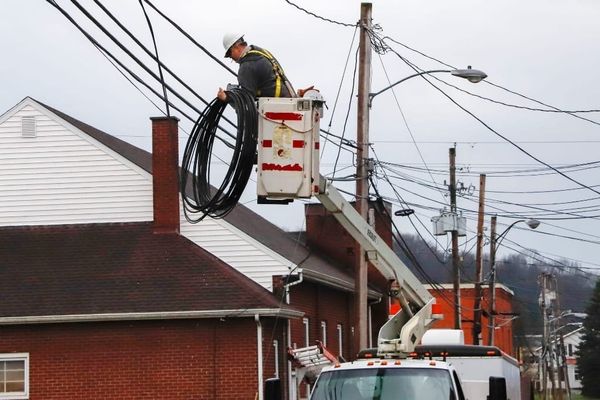
At the same time, the federal government's Broadband Equity, Access, and Deployment program is directing billions of dollars toward last-mile broadband buildout, creating additional demand for middle-mile fiber capacity. As carriers scramble to access and deploy fiber infrastructure, electric utilities sitting on thousands of miles of existing fiber along established transmission corridors have an unprecedented monetization opportunity through IRUs and leases to carriers.
Commercializing fiber requires navigating complex real property issues, coordinating telecommunications use with electric operations, and structuring agreements that preserve core utility status. This article examines the key real estate and commercial considerations and regulatory considerations utilities should address.
Monetization models and property characterization
Utilities must select the appropriate monetization structure. The most common approaches are indefeasible rights of use (IRUs) and dark fiber leases.
IRU agreements grant customers exclusive, long-term rights to use specified fiber strands over defined routes, typically for 20 to 30 years, with customers typically paying substantial upfront fees or committing to significant annual payments. IRUs may be characterized as real property interests in some jurisdictions, depending on specific contract terms, or alternatively as contractual rights with property-like characteristics––the distinction matters for bankruptcy treatment and tax characterization.
Dark fiber leases are shorter-term arrangements (typically 5 to 10 years) structured as licenses or leasehold interests with monthly or annual payments. Utilities retain more flexibility to adjust terms and pricing, though customers seeking long-term certainty often prefer IRUs.
Most utilities stay “dark,” providing only passive fiber infrastructure while customers install and operate their own equipment, thereby avoiding classification as telecommunications carriers subject to common carrier regulation.
Structuring IRU and lease agreements
Granting language and property rights must clearly describe fiber capacity being transferred, specifying whether grantee will have exclusive use of specific fiber strands and whether it can install regeneration equipment along routes.
Utilities should specify whether grants are exclusive or non-exclusive, and if multiple carriers will occupy the same cable, address capacity allocation. Exclusive grants prevent utilities from leasing the same fiber strands to multiple parties, eliminating interference risk but reducing monetization flexibility. Non-exclusive arrangements allow utilities to oversubscribe capacity across multiple customers—beneficial if customers use capacity at different times—but require careful technical coordination and contractual provisions addressing priority of use during capacity constraints.
Pricing models typically follow several approaches. Per-strand pricing charges annual fees for each fiber strand (Dollars per strand per mile). Per-route pricing establishes single prices for entire routes. Capacity-based pricing ties fees to bandwidth utilized.
Term length and renewal rights present strategic tension. Customers prefer 20- to 30-year terms, providing certainty and making IRU rights more attractive to lenders. Utilities may prefer shorter terms, preserving flexibility and/or to ensure regulatory exemption.
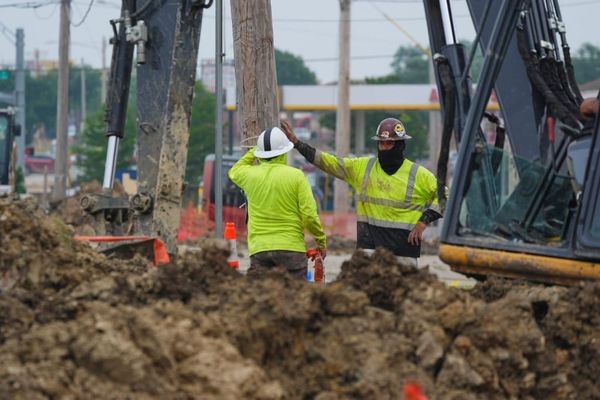
Construction obligations arise when existing fiber doesn’t extend to where customers need connectivity. Provisions should specify who bears responsibility and cost for extending routes or building lateral connections, including engineering standards, construction timelines, and cost allocation.
Easement, right-of-way, and underlying property rights
A critical threshold issue is whether utilities’ underlying property rights permit commercial fiber monetization and what authority utilities have to grant long-term use rights to third parties.
Utilities’ underlying rights analysis requires examining the legal foundation for utilities’ fiber infrastructure. Does the utility own the property in fee where conduit and poles are located, or does it hold easements granted by underlying landowners? If easements, what do they permit? Easements granted decades ago often use language like “electric utility purposes” or “transmission and distribution of electricity.” The legal question becomes whether leasing fiber capacity to telecommunications carriers falls within the scope of these easements, or whether it constitutes unauthorized expansion of permitted uses. If utilities lack authority under their underlying easements to permit telecommunications use, the IRUs or leases they grant could be challenged by underlying landowners.
State law variations complicate this analysis. Some jurisdictions interpret utility easements broadly, holding that telecommunications infrastructure serves modern utility purposes and falls within general grants of utility easement authority. Other jurisdictions apply narrower construction, requiring express language authorizing uses beyond traditional electric service. Utilities operating across multiple states must analyze easement scope jurisdiction by jurisdiction.
Before commercializing fiber, utilities should review representative samples of their underlying easements, particularly for high-value routes, to assess legal risk. If easements are restrictive, utilities may need to obtain landowner consents acknowledging expanded use, negotiate supplemental easement agreements expressly permitting telecommunications sublicensing, purchase additional fee simple or easement rights from landowners, or limit fiber offerings to routes where utilities hold fee title or sufficiently broad easement language encompassing telecommunications use.
Sublicensing authority presents related concerns. Even if utilities’ easements broadly permit “utility purposes,” can utilities sublicense those rights to third-party telecommunications carriers? Some easements prohibit assignment or subletting without landowner consent. Others grant utilities personal use rights that may not extend to licensing third parties. Utilities should analyze whether their easement language permits sublicensing, whether IRU grants constitute prohibited assignments, and whether obtaining landowner acknowledgments of telecommunications use would provide additional protection.
Access, maintenance, colocation, and relocation
Carrier access and safety protocols must balance carriers’ need to install, maintain, and repair fiber against safety and security at utility facilities. Access provisions should address advance notice requirements, utility escort requirements, safety training, and permitted versus restricted areas.
Maintenance responsibilities typically distinguish between fiber and infrastructure. Utilities remain responsible for maintaining conduit, poles, and electric infrastructure, while carriers handle their leased fiber strands. Electric utility maintenance takes absolute priority over telecommunications uses, and agreements should establish coordination procedures, while exempting utilities from liability for damage during electric maintenance.
Colocation agreements should define space carriers may occupy (dedicated cages or cabinet space), available power capacity, and charges for power consumption and shared expenses.
Utilities must retain superior rights to relocate fiber infrastructure when necessary for electric utility operations or to comply with governmental requirements. Relocation provisions should address advance notice periods, cost allocation between utility-driven and government-mandated relocations, performance standards for relocated fiber, and customer termination rights if relocations fundamentally alter route value.
Regulatory considerations
Utilities should conduct a pre-transaction regulatory review before commercializing fiber assets. At the state level, investor-owned utilities in many jurisdictions must obtain commission approval before leasing fiber to third parties. In California, for example, the CPUC has required utilities to seek approval before entering fiber lease arrangements.
State commissions have also established revenue-sharing frameworks governing how fiber lease revenues are allocated between ratepayers and shareholders, and where a utility's fiber runs along FERC-jurisdictional transmission infrastructure, revenues from such leases may be subject to FERC accounting and ratemaking rather than state commission authority. At the federal level, FERC-jurisdictional utilities should evaluate whether a proposed fiber monetization transaction requires prior Commission authorization under Section 203 of the Federal Power Act.
Successfully commercializing utility fiber infrastructure requires careful attention to underlying property rights, coordination with electric operations, and structuring that preserves core utility status––enabling to generate meaningful revenue while maintaining their primary focus on electric service.
Abe Salander represents purchasers, sellers, investors, developers, lenders, borrowers, landlords, and tenants in the negotiation, documentation, and closing of complex commercial real estate transactions. He serves as real estate deal support counsel on M&A transactions, portfolio asset sales, and other corporate transactions with significant real estate components, advising on documentation, deal structuring, and due diligence, across a wide range of asset classes including office, industrial, retail, multifamily, hospitality, and telecommunications infrastructure. Salander's practice encompasses real estate acquisitions and dispositions, M&A advisory, leasing, joint ventures, and financing.
Zeb Zankel helps companies build, access, operate and maintain communications networks and services through results-driven representation in regulatory, litigation, and transactional matters. A committed and driven communications regulatory lawyer, he gives clients timely and practical advice on thorny regulatory matters, handles state and local regulatory proceedings, and litigates disputes for telecommunications, broadband, and other communications sector clients of all sizes. This Expert Opinion is exclusive to Broadband Breakfast.
Broadband Breakfast accepts commentary from informed observers of the broadband scene. Please send pieces to commentary@breakfast.media. The views expressed in Expert Opinion pieces do not necessarily reflect the views of Broadband Breakfast and Breakfast Media LLC.