AI Boom Will Reshape U.S. Energy Demand, Interior Secretary Says

The nation’s top public lands official said artificial intelligence will require major increases in U.S. energy production.

AI Boom Will Reshape U.S. Energy Demand, Interior Secretary Says
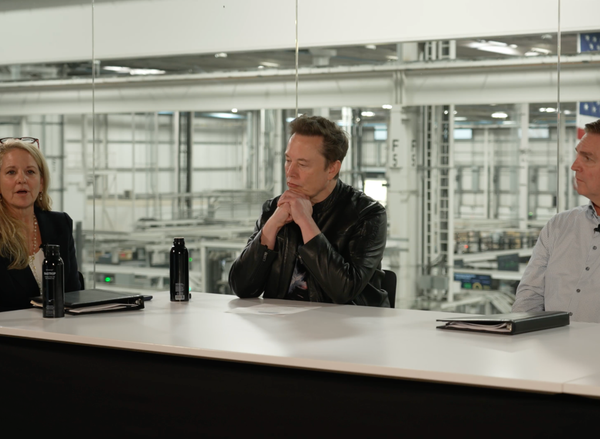
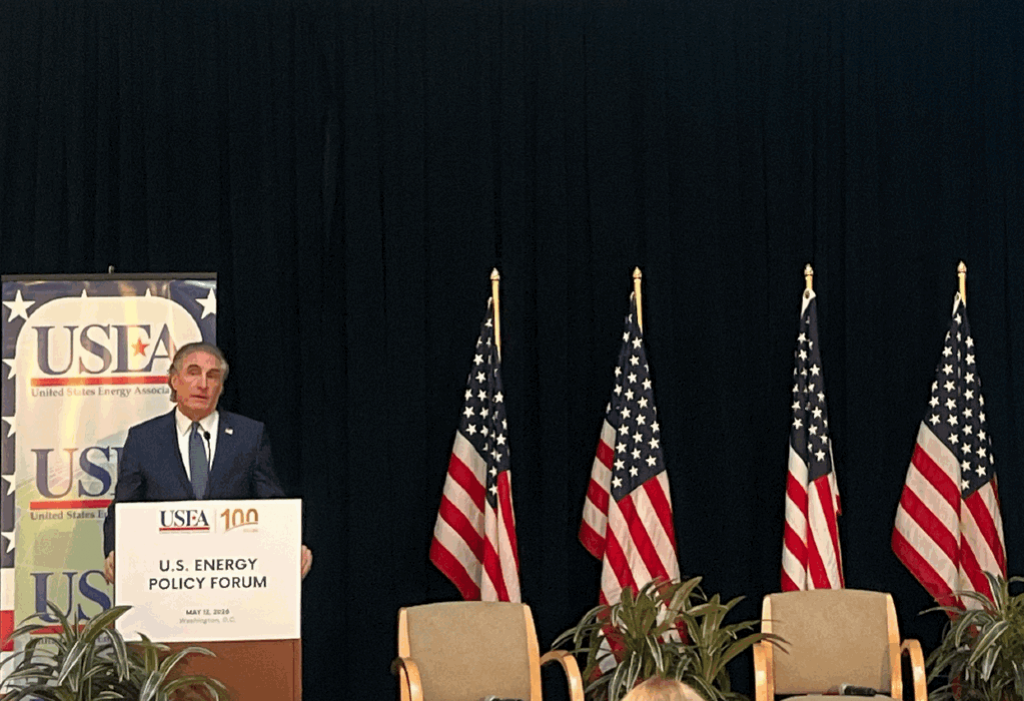
Photo of Interior Secretary Doug Burgum, Tuesday at a United States Energy Association event in Washington.

WASHINGTON, May 12, 2026 – Surging electricity demand from artificial intelligence will require the United States to rapidly expand energy production and overhaul federal permitting timelines, Interior Secretary Doug Burgum said Tuesday. 

“AI is transforming everything,” Burgum said at a United States Energy Association event in Washington. “We need a lot more energy.”

Burgum described AI infrastructure as “manufacturing intelligence” rather than traditional data center development, arguing the technology would reshape industries ranging from health care to defense.

He said the administration viewed energy policy as central to both economic growth and national security, repeatedly linking domestic production to competition with China and geopolitical rivals including Iran and Russia.

“Democracy and the free world can’t lose the AI arms race,” Burgum said.

The remarks build on growing industry warnings that AI infrastructure could dramatically reshape U.S. electricity demand, with officials warning last year that AI infrastructure could require a 25 percent increase in U.S. electricity production over five years.

The secretary also highlighted efforts to accelerate environmental reviews for energy infrastructure projects, arguing lengthy permitting timelines were slowing investment.

According to Burgum, the Interior Department recently completed one environmental assessment in 12 days and one environmental impact statement in 24 days without “cutting corners.”

Burgum said the administration was pursuing a broader permitting overhaul across federal agencies as part of its energy agenda.

He also defended expanded oil, gas, mining, and liquified natural gas development, arguing domestic production strengthens U.S. allies while reducing dependence on adversarial nations.

The administration has displaced “two-thirds of the Russian gas being sold in Western Europe” with U.S. liquified natural gas exports since lifting a prior export pause, Burgum said.

He promoted expanded development in Alaska, saying increased production there would help supply allies in the Pacific, including Japan and South Korea.

Burgum also criticized states restricting pipelines and conventional energy infrastructure, arguing those policies were driving higher electricity prices and discouraging investment from AI and technology companies.

“Capital is going to flow towards states that have low electricity prices and have pro-energy policies,” Burgum said.

Popular Tags

#if @member /if