
Analyst: Amazon Web Services Outage Exposes Limits of Cloud Self-Regulation
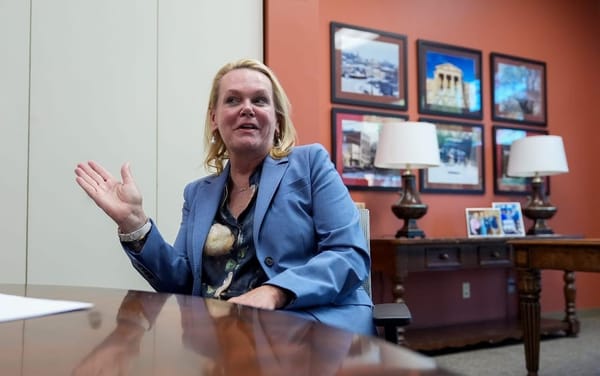
Layton urged Big Tech to be held accountable and contribute to FCC programs.

Akul Saxena
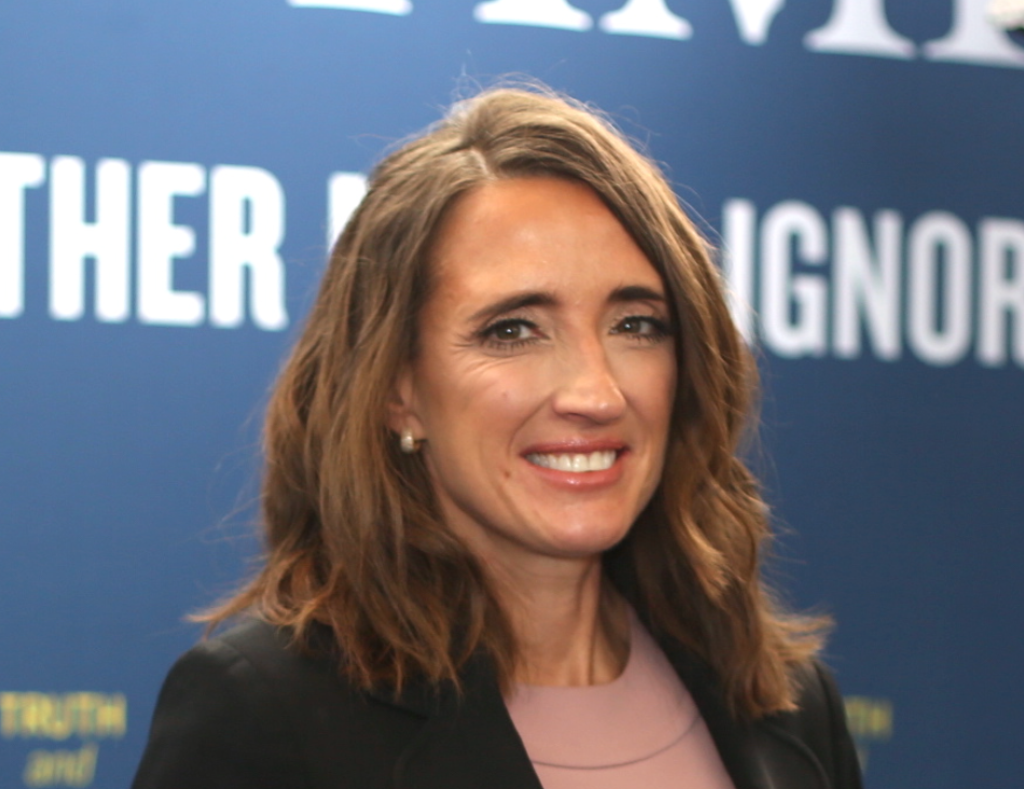
WASHINGTON, Oct. 23, 2025 — The internet’s dependence on a few cloud providers became impossible to ignore this week.
When Amazon Web Services, Amazon’s cloud-computing arm, went dark for 13 hours Monday, banks, retailers, and streaming apps worldwide froze, reviving old questions about accountability in the cloud.
The outage, triggered by a minor Domain Name System update, had disrupted more than 2,000 enterprises and renewed debate over whether hyperscale providers should have faced the same reliability and transparency standards as traditional telecom networks.
In a report released Tuesday, Roslyn Layton, senior vice president of Strand Consult, said the episode exposed how dependent modern society had become on a handful of cloud firms. Her paper, “When Amazon Goes Down, We Pay the Price,” argued AWS had become too central to fail, yet too unregulated to assure resilience.
“Cloud services have enabled extraordinary innovation. But the more essential they become, the more acutely we feel the consequences when they fail,” Layton wrote.
She said AWS, Google, and Microsoft now controlled about 70 percent of the world’s cloud market but faced far lighter regulatory standards than telecom carriers subject to strict reliability, disclosure, and universal service rules. “It is difficult to fathom why AWS, a company with a market capitalization in the trillions of dollars, gets a pass,” she wrote.
Layton described AWS as “a single point of failure” for the global internet, and argued that its interconnected cloud infrastructure now resembled the backbone of public communications networks that have long been treated as utilities. “When a centralized system breaks, everything connected to it goes dark,” her report said.
While she acknowledged that heavy-handed regulation could stifle innovation and create bureaucratic pitfalls, Layton urged policymakers to consider baseline obligations for compliance, transparency, reliability, and financial contribution. She called for hyperscalers to support the Federal Communications Commission’s $8.5 billion Universal Service Fund, which subsidized broadband for low-income and rural households.
Layton said the burden of maintaining resilient broadband infrastructure should not fall solely on network operators. “Amazon should not get a free ride on the downstream broadband networks that carry their growing volumes of data, video, and advertising traffic. Contributing like every other user is the foundational obligation necessary to ensure ecosystem resilience and affordable access,” she said.
Her report cautioned that regulation alone was not a “silver bullet,” but argued that accountability could no longer rely solely on voluntary standards. She urged both public agencies and industry to pursue pragmatic steps such as multi-region systems, clear incident reporting, and published resilience metrics to reduce systemic risk.
“The question isn’t whether cloud providers are acting in bad faith,” Layton concluded. “It’s whether the current market incentives reward the level of resilience on which the public depends.”





Member discussion