AST to De-Orbit Satellite After Failed Launch
The Orlando Sentinel first reported the FAA grounded the Blue Origin rocket used pending an investigation.

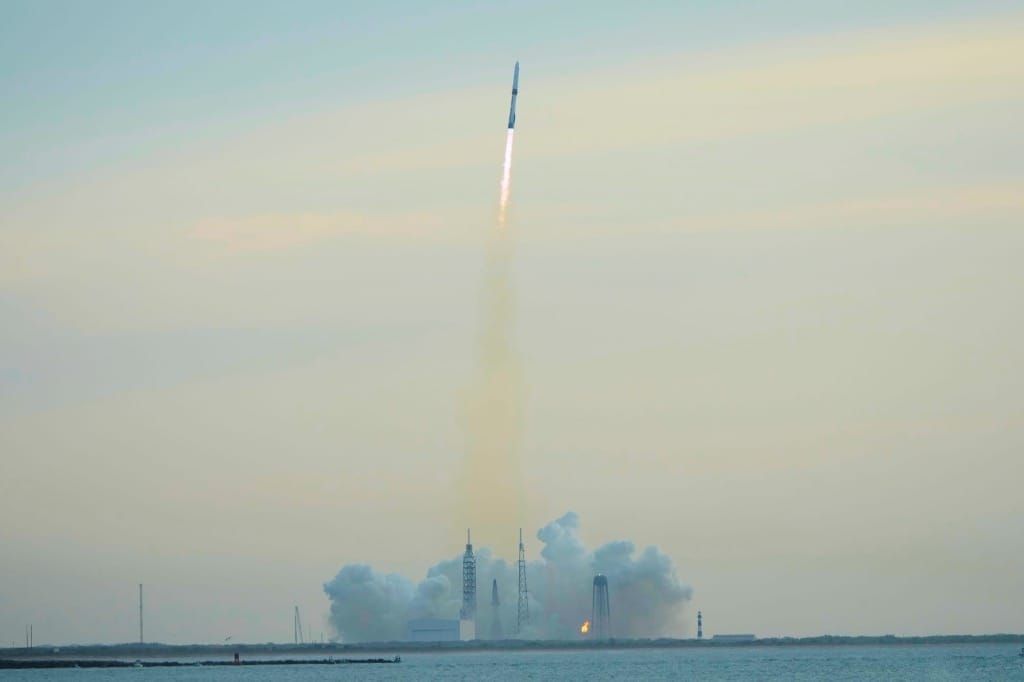
WASHINGTON, April 20, 2026 – AST SpaceMobile suffered a setback Sunday after a failed satellite launch.
The company said in a statement that the Blue Origin rocket failed to bring its BlueBird satellite to a high enough orbit, and the unit thus wouldn’t be usable.
“While the satellite separated from the launch vehicle and powered on, the altitude is too low to sustain operations with its on-board thruster technology and will be de-orbited,” the company said. “The cost of the satellite is expected to be recovered under the company’s insurance policy.”

AST has seven satellites in orbit. The company said three would finish production this month and that it expected an orbital launch every month or two for the rest of 2026.
The company is targeting 45 satellites in orbit by the end of the year, a goal that it reiterated Sunday. AST has fallen behind schedule on its launches, having originally planned to have up to 20 satellites in orbit by the end of 2025.
It was the first commercial and third ever launch for Blue Origin's New Glenn rocket, and the first with a re-used booster. The booster successfully landed after the launch.
AST is aiming to deploy a direct-to-cell constellation of satellites and has deals with multiple carriers, including AT&T and Verizon, to provide the service. It had previously been relying on SpaceX rockets.
The Orlando Sentinel first reported that the Federal Aviation Administration grounded the New Glenn rocket until Blue Origin conducted an investigation into what happened.
“The FAA is aware that Blue Origin New Glenn 3 experienced a mishap during the second-stage flight sequence following a successful launch,” the FAA confirmed in a statement to Broadband Breakfast. “The FAA notified NASA, the NTSB, and the U.S. Space Force about the classification of the incident.”
The FAA requires investigations into incidents designated as mishaps. The agency said it "will oversee the Blue Origin-led investigation, be involved in every step of the process, and approve Blue Origin’s final report, including any corrective actions."
That process can take months, potentially putting pressure on AST’s launch plans, but the Sentinel noted a quicker 15-day grounding SpaceX suffered in 2024.
Update: This story was updated to include comment from the FAA.