Astound Suing Dish over Contract Fees
EchoStar insisted it was forced to sell licenses to ‘buyers approved by the FCC.’

WASHINGTON, April 29, 2026 – Dish is facing yet another lawsuit over its position that it doesn’t owe tower lease payments after its parent company sold much of its spectrum.
This time cable operator Astound Broadband is seeking $1.7 million in contract cancellation fees. The company had been providing Dish with fiber transport services since 2022.
EchoStar, which owns Dish, reached deals to sell much of its spectrum to AT&T and SpaceX for $42.6 billion last year amid pressure from the Federal Communications Commission, which did not think EchoStar was putting the airwaves to good use. Dish is arguing it won’t see any of those proceeds, and that the FCC pressure amounted to a “force majeure,” an unforeseeable event that left Dish unable to pay its dues through no fault of its own.

The more than a dozen tower companies and infrastructure providers suing Dish are asking judges not to buy that.
“DISH’s refusal to pay and its invocation of a force majeure defense that DISH’s own acknowledgments expose as pretextual reflects a decision made at the EchoStar level,” Astound argued in its April 15 lawsuit, “with DISH serving as the vehicle through which EchoStar’s strategic choices are implemented while EchoStar retains the financial benefits of those choices.”
Dish is trying to consolidate the federal cases it's facing, seven before the Astound suit was filed in the U.S. District Court for the Southern District of New York, and have them proceed together.
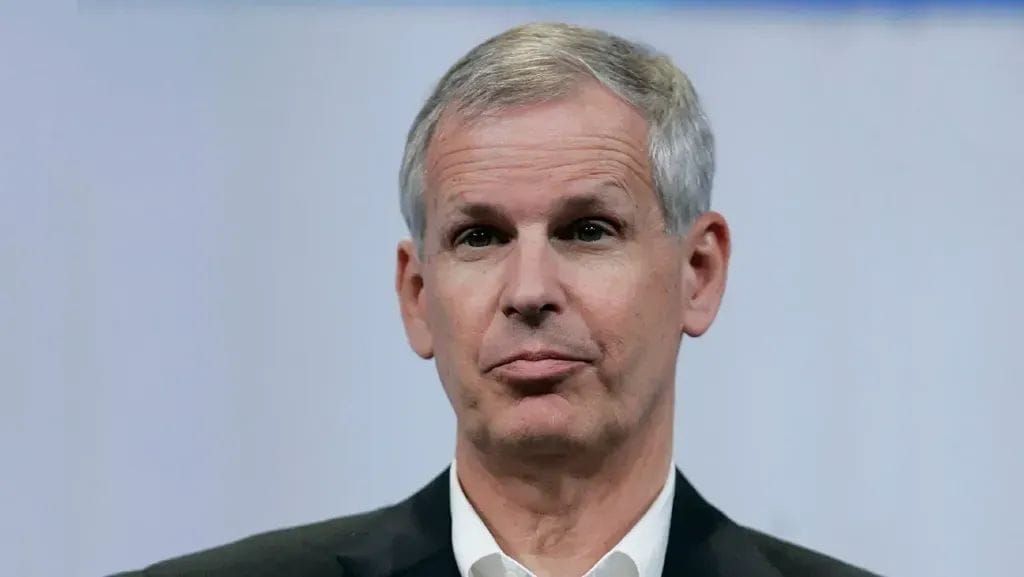
EchoStar founder and CEO Charlie Ergen said on the company’s earnings call last month that the company had privately settled “hundreds of contracts” with other companies, including with a “large tower company,” though he didn’t specify which.
“Just to be clear, we don’t believe we owe any money,” Ergen said. “I think it shows our good faith that we’ve settled with a lot of people and attempted to engage in negotiations when people don’t pick litigation.”
It’s also a fight before the FCC. The tower industry is asking the agency not to approve EchoStar’s spectrum sales without requiring the company to set aside enough cash to pay Dish’s bills, something EchoStar opposes.
“If the FCC sides with the tower owners, then the payments to EchoStar for the spectrum will be held up. Even though EchoStar would certainly take a negative FCC decision to court, the big delays in getting paid for the spectrum would likely drive the company to reach a compromise with the tower owners,” Doug Dawson, head of CCG Consulting, wrote in a Wednesday blog post. “If the FCC doesn’t rule for the tower owners, they will almost certainly take this to court, and may get an eventual settlement.”
EchoStar: no choice but to sell to FCC-approved buyers
EchoStar insisted it was forced by the FCC to sell its spectrum in a motion to dismiss Comcast’s lawsuit seeking $54 million. Comcast drew EchoStar into the suit, alleging it interfered with Comcast and Dish’s contract.
“In the summer of 2025, the Federal Communications Commission (the “FCC”) instructed EchoStar that it had to sell its spectrum licenses or else have them Revoked,” EchoStar wrote in its April 13 motion. “EchoStar fought back against this mandate and worked diligently to maintain its spectrum licenses, but ultimately it had no choice but to sell the licenses to buyers approved by the FCC.”
EchoStar argued that even if it did direct Dish to raise the force majeure defense, which the company did not explicitly concede, that wouldn’t have been improper.
Under Comcast’s theory, “every parent company would be liable to its subsidiaries’ contract counterparties if those subsidiaries raised liability defenses. This is not the Law,” EchoStar wrote.