
AT&T Paying $23 Billion for EchoStar Wireless Licenses
The move brings EchoStar closer to resolving ongoing pressure from FCC Chairman Brendan Carr, which threatened its business.

WASHINGTON, August 26, 2025 – EchoStar reached a deal to sell some of its spectrum to AT&T for about $23 billion in cash, the companies announced Tuesday, a major step toward resolving Federal Communications Commission inquiries that EchoStar says have threatened its business.
AT&T is set to scoop up 30 megahertz of 3.45 GigaHertz (GHz) spectrum and 20 megahertz of 600 MegaHertz (MHz) licenses, with EchoStar’s Boost Mobile being primarily supported by AT&T infrastructure going forward. The companies said the licenses being sold cover virtually every market in the United States.
As part of the deal, AT&T can lease the airwaves until the deal officially closes, enabling the company to potentially light up the 3.45 GHz spectrum before the transaction’s expected close in mid-2026.

“If in fact that approval was granted, we could turn that up even before the transaction closed,” AT&T CEO John Stankey said on a call with analysts Tuesday morning. “And my sense is, in talking with regulators, they’re interested in seeing fallow spectrum move into service as quickly as possible.”
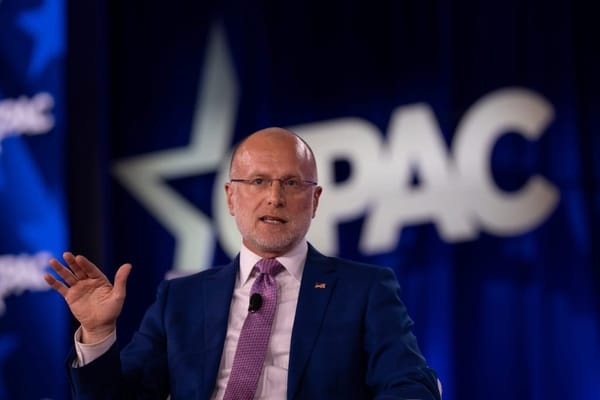
That has in fact been a major goal of FCC Chairman Brendan Carr. He’s said EchoStar is effectively squatting on valuable airwaves and leaving them unused while the agency is trying to increase utilization.
Two ongoing agency inquiries into EchoStar’s licenses are seen as a means of ensuring some of those airwaves are opened up to other users.
“We appreciate the productive and ongoing discussions with the EchoStar team,” an FCC spokesperson said after the news of the acquisition. “The FCC will continue to focus on ensuring the beneficial use of scarce spectrum resources.”
“EchoStar and Boost Mobile have met all of the FCC's network buildout milestones,” EchoStar Chairman Charlie Ergen said in a statement. “However, this spectrum sale to AT&T and hybrid MNO agreement are critical steps toward resolving the FCC's spectrum utilization concerns.”
Dish, now owned by EchoStar, was supposed to be a fourth national wireless carrier after T-Mobile bought Sprint in 2020, and purchased Sprint’s prepaid business and some spectrum licenses so the Department of Justice would approve the deal.
EchoStar hasn't given up on wireless business
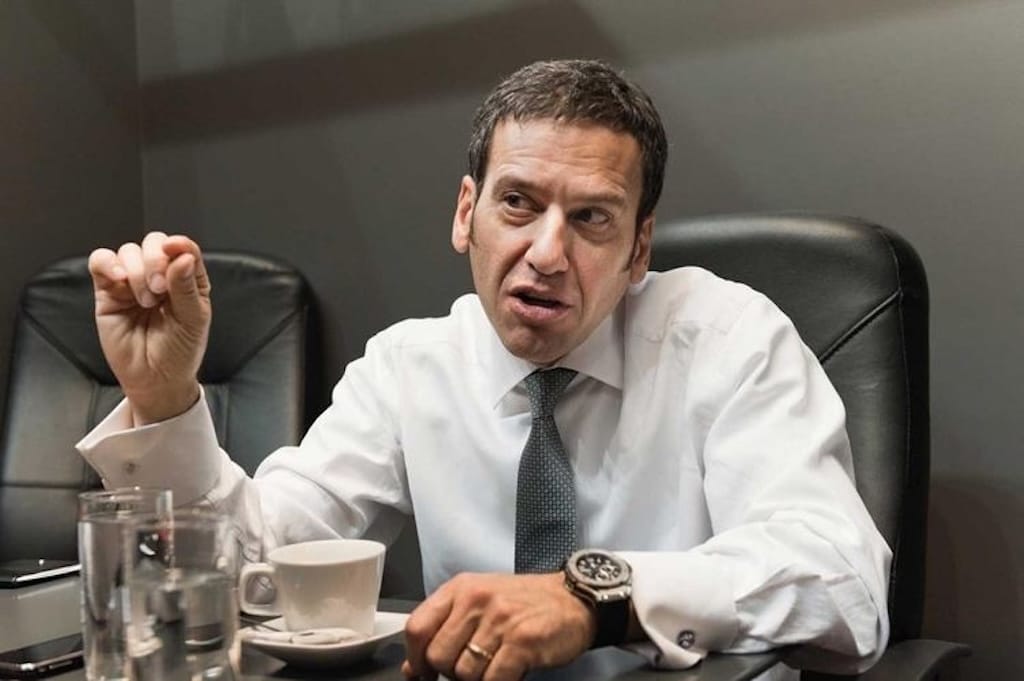
In the same company release, EchoStar CEO Hamid Akhavan said the company was still working with regulators and other wireless carriers to open up more of its spectrum.
“We continue to evaluate strategic opportunities for our remaining spectrum portfolio in partnership with the U.S. government and wireless industry participants,” he said.
The FCC did not immediately respond to a request for comment. EchoStar announced earlier this month it had plans for a direct-to-device satellite service, which would use spectrum not affected by Tuesday’s deal.
“Our quick reaction is that while we don’t believe the announcement entirely removes the policy cloud hanging over EchoStar, we see the light at the end of the tunnel, with the transaction providing the Carr a victory and enabling EchoStar to live and fight another day,” Blair Levin, New Street Research’s policy advisor and former FCC chief of staff, wrote in an investor note Tuesday.
“We don’t believe this proceeding would have moved forward without some understanding that the FCC will not proceed in a way that would cause further material damage to EchoStar,” he wrote.
MoffettNathanson Senior Managing Director Craig Moffett said in a note that EchoStar was certain to sell more of its spectrum. New Street agreed. Moffett also noted the airwaves fetched more than expected, and said the future sales might as well.
That's apparently good news to investors – EchoStar's stock jumped 77 percent Tuesday morning after the announcement.
Stankey said the extra airwaves would enlarge the footprint of the carrier’s fixed wireless broadband service, which has been growing steadily despite being intended as a means of retaining copper DSL subscribers while they wait for the company to build out fiber.
Asked whether he was concerned about the Department of Justice stepping in – the agency recently said it was concerned about growing consolidation in the wireless industry – Stankey said it would be “unwise for a regulator to try to cherry pick certain things because it will fundamentally change the overall construct of the deal.”
“We’re not necessarily willing to sign off on the deal if that were to occur,” he said.
Updated with quote from the Federal Communications Commission below.


Member discussion