AT&T’s Wisconsin Bell Settles Whistleblower Case for $55 Million

The lawsuit was headed to trial later this year.

AT&T’s Wisconsin Bell Settles Whistleblower Case for $55 Million
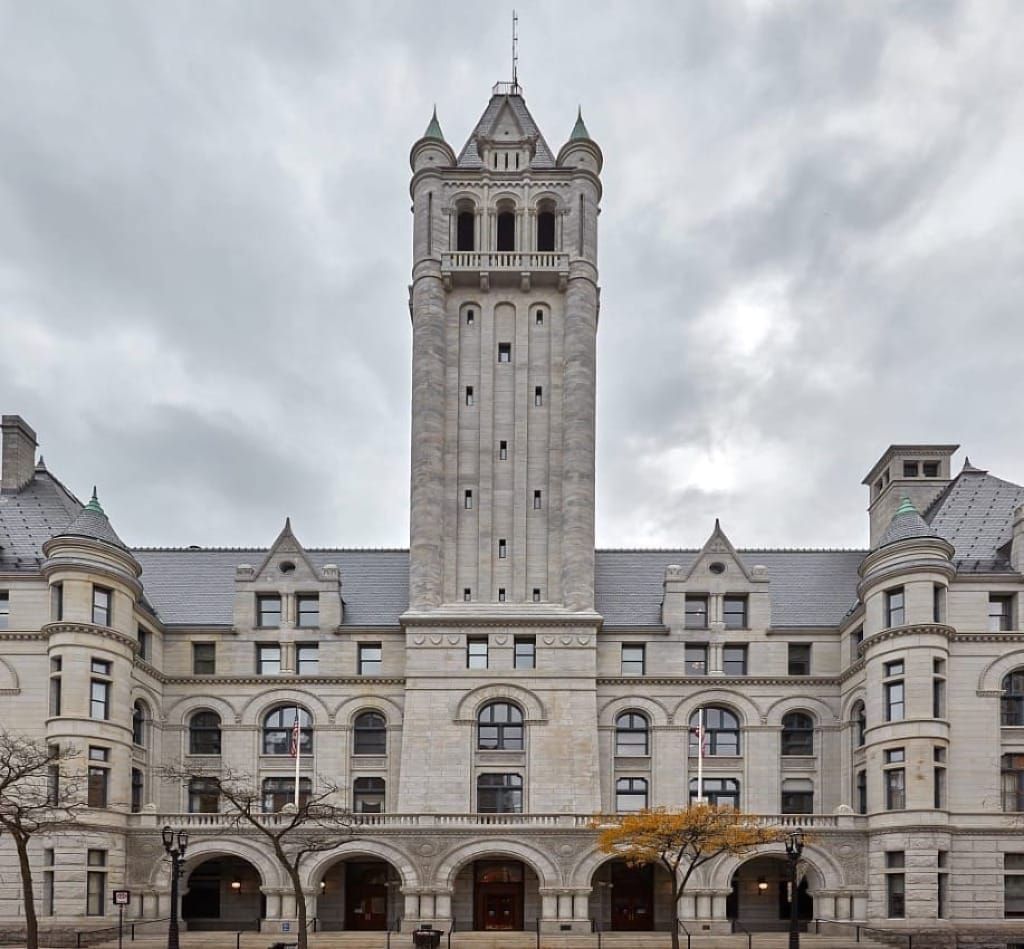
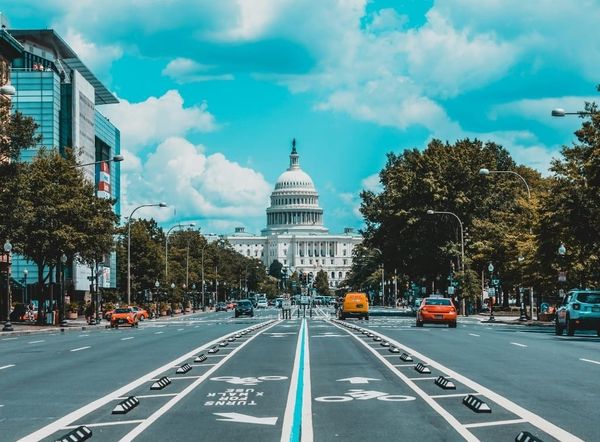
Photo of The U.S. Courthouse and Federal Office Building, Milwaukee, Wisconsin in 2021 from the Library of Congress

WASHINGTON, March 12, 2026 – An AT&T subsidiary agreed Wednesday to pay $55 million to settle a nearly two-decade-old whistleblower lawsuit.

The case, first filed in 2008, stemmed from telecom auditor Todd Heath’s claims that AT&T’s Wisconsin Bell overcharged schools participating in the E-Rate program, which provides discounts on internet bills. He sued under the False Claims Act, which mandates higher penalties for fraudulently seeking government cash.

The settlement, which includes $25 million in attorney’s fees, still has to be approved by the government. Whistleblowers who sue under the FCA are entitled to receive 15 to 30 percent of the amount the government recovers. That would be between $8.25 million and $16.5 million in this case.

AT&T did not immediately respond to a request for comment, nor did an attorney representing Heath. The parties will have to update the U.S. District Court for the Eastern District of Wisconsin on their progress finalizing the settlement next month.

The case was headed for a trial on the merits of Heath’s claims later this year. Settling the case will avoid that trial, and leave the question of whether the FCA even applies to E-Rate funds partially unanswered.

In February 2025 the Supreme Court unanimously ruled that FCA cases could be brought against participants in E-Rate, which is funded by the roughly $8 billion-per-year Universal Service Fund. But the decision was narrow, and hinged on a small portion of that money passing through the Treasury after being collected as delinquent debts or penalties.

The high court left for another day the question of whether the FCA applied to all USF cash.

Lawyers for both parties said at oral arguments if the court ruled the way it did, which justices were already signaling a desire to do, it would likely tee up more litigation over that question. That litigation, at least in this case, now won’t happen.

Wisconsin Bell had argued the FCA did not apply to all USF funding, as its money comes from fees on telecom providers’ voice revenue and thus isn’t government money. Heath said the law should cover all USF funds because the government mandated the fees and operated the program to meet Congressional goals.

In a dissent, conservative Justices Clarence Thomas and Brett M. Kavanaugh said they doubted the FCA applied to all of the USF money. They also questioned whether private pirates like Heath should be allowed to sue under the FCA.

Member discussion

Popular Tags