
Blue Origin Submits Satellite Application for Space-Based Data Centers
The application comes after Amazon criticized a similar proposal by SpaceX.

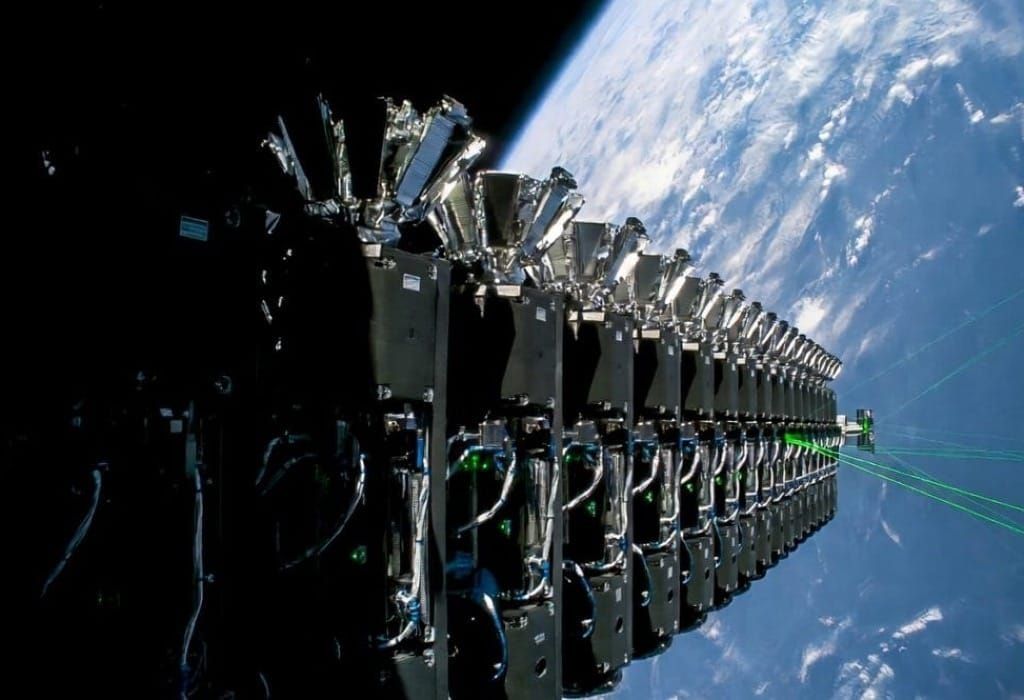
WASHINGTON, April 6, 2026 — Blue Origin, the spaceflight company founded by Amazon’s Jeff Bezos, has asked U.S. regulators to launch a massive satellite system designed to host data centers in space, an effort it calls “Project Sunrise.”
If approved, the application submitted to the Federal Communications Commission on March 19, would deploy up to 51,600 satellites in low-Earth orbit between 500 and 1,800 kilometers. The system is intended to process artificial intelligence and cloud workloads outside traditional terrestrial data centers.
The filing sets up a competitive dynamic with SpaceX, which filed a similar proposal in February. Amazon’s low-Earth orbit unit previously urged the FCC to reject that application as “incomplete, speculative, and unrealistic.” Both Amazon Leo and Blue Origin are owned by Bezos.

Blue Origin requested access to Ka-band spectrum for telemetry, tracking, and command functions. The constellation would use the 18.8–19.3 GigaHertz (GHz) band for space-to-Earth transmissions and the 28.6–29.1 GHz band for Earth-to-space communications.
The initiative would rely primarily on optical inter-satellite links, using lasers to transmit data between satellites and reducing reliance on radiofrequency spectrum, Blue Origin said.
The company requested waivers from standard FCC rules, including processing round requirements and deployment deadlines, which typically require 50 percent of satellites to be launched within six years and full deployment within nine years.
The network would reduce reliance on land, water, and grid infrastructure by shifting energy-intensive computing into space, where satellites have near-constant access to solar power, Blue Origin said.
The concept’s viability has also been questioned.
“The economics do not work,” wrote Gartner analyst Bill Ray. “This is due to the prohibitive costs of launching hardware and the immense technical challenges of cooling these orbital data centers in the vacuum that is space.”
Amazon Web Services CEO Matt Garman has similarly criticized proposed space-based computing.
“If you think about the cost of getting a payload into space today, it's massive,” Garman said in February. “It is just not economical.”
Blue Origin defended the proposal in its application, arguing that demand for artificial intelligence is rapidly outpacing Earth-based infrastructure, and space-based computing could expand capacity and support U.S. competitiveness.
The filing reflects a broader shift in how satellite systems are being used, said senior consultant at Frost & Sullivan Pravin Pradeep.
“This is a shift away from satellites as pure connectivity assets toward satellites as part of a distributed cloud and AI infrastructure,” Pradeep said.







Member discussion