
California Hearings on Charter-Cox Deal Approaching
Evidentiary hearings are set for April 20-24 on the $34.5 billion deal.

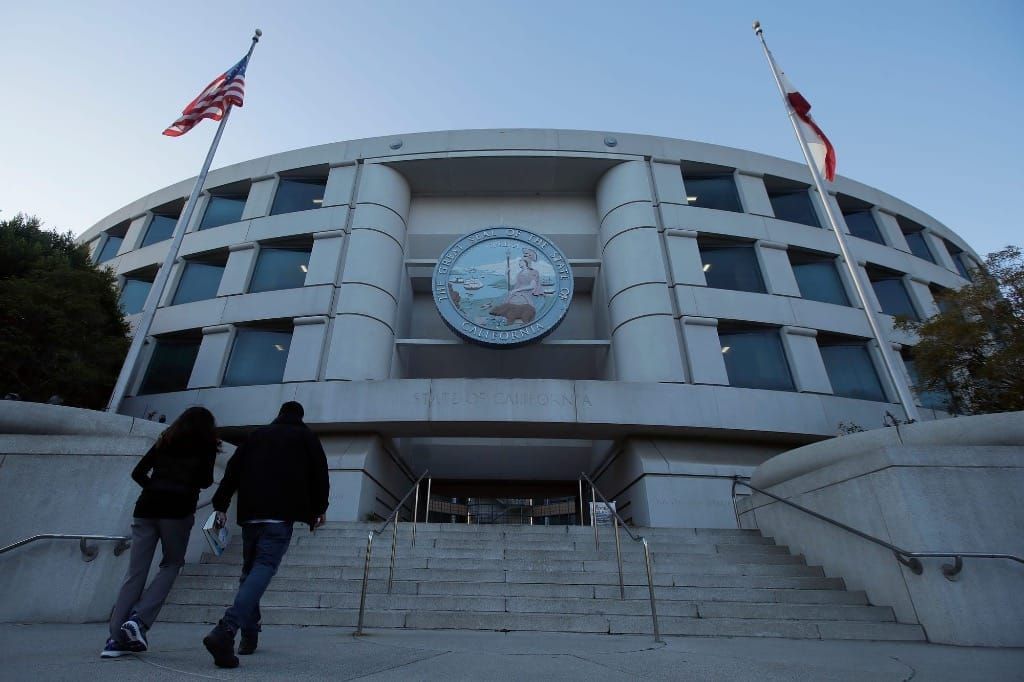
WASHINGTON, April 9, 2026 – California’s telecom regulator is set to hold evidentiary hearings this month in its review of the $34.5 billion Charter-Cox merger. The hearings are set for April 20-24.
The California Public Utilities Commission is the last remaining agency that needs to clear the deal. The Federal Communications Commission, Justice Department, and states like New York and Connecticut have cleared the transaction.
The FCC asked Charter to commit to onshoring Cox’s call centers before giving its ok, and New York is requiring the company to spend $100 million on expanding infrastructure in the state, plus $3 million on broadband for shelters and other commitments. Connecticut secured a commitement for $3 million toward "digital access and literacy," and for Charter to keep its corporate headquarters in Stamford, Conn.

Charter and Cox opposed holding evidentiary hearings, but had asked that the CPUC schedule any it found necessary for the week of March 30, roughly one month before they will actually occur.
The companies have been pushing the state to approve the deal before Sept. 15, when DOJ approval will expire. That would require the companies to pay an extra $2.5 million in refiling fees and wait at least another 30 days, they told the CPUC earlier this year.
A set of advocacy groups including The Utility Reform Network and the CPUC’s Public Advocates Office asked the agency to hold evidentiary hearings on a number of issues, including Charter upgrading and expanding its network after the deal, the merger’s effect on consumer privacy and Charter’s diversity commitments.
Although Administrative Law Judge Jamie Ormund granted the request for a hearing, she denied the groups’ request for additional time to allow more testimony specifically on diversity issues, which would have come before the evidentiary hearings.
Charter axed its various diversity policies to get FCC approval, and Verizon doing the same last year was a major sticking point in the CPUC’s review of its purchase of Frontier, which the agency ultimately approved.
Ormund said she wanted “to ensure that this case moves along” and that diversity issues were already in the scope of her review.
“As with all information submitted in this proceeding, the Commission will consider what is provided and give it due weight,” she wrote. Opening briefs are due May 22 and replies are due June 5.
In a response to more information requested by Ormund, Charter said in a March 30 filing that its broadband and mobile prices were lower than Cox’s offerings. The company said it had broadband infrastructure investment plans and “continues to invest heavily in its network in California,” but did not give the judge more details on the company’s future build plans in the state.
Charter said there would be no locations locking broadband around its service territory after California’s Broadband Equity, Access, and Deployment program awards. Charter was not a winner the state selected as part of its draft spending plan, which the Commerce Department has yet to approve.
The CPUC’s Public Advocates Office is asking the agency to impose price caps on Charter after the deal closes, something the companies have already said they oppose.
The companies are trying to strike the testimony of two witnesses the advocates office and others are looking to call in the evidentiary hearings – UC Berkeley law professor Tejas Narechania and telecom consultant Lee Selwyn. The schedules for the hearings have to be ironed out by April 13.
The companies say those testimonies would amount to legal arguments that have to come in briefs rather than witness testimony, and the advocacy groups countered they were making policy arguments and not solely devoted to advancing a legal conclusion.






Member discussion