Carr Establishes New Council for National Security at FCC
Initiative aims to strengthen U.S. telecom security and counter foreign threats.

WASHINGTON, March 13, 2025 – The Federal Communications Commission is making an organizational change designed to help it combat increasing risks to American telecommunications infrastructure and dominance.
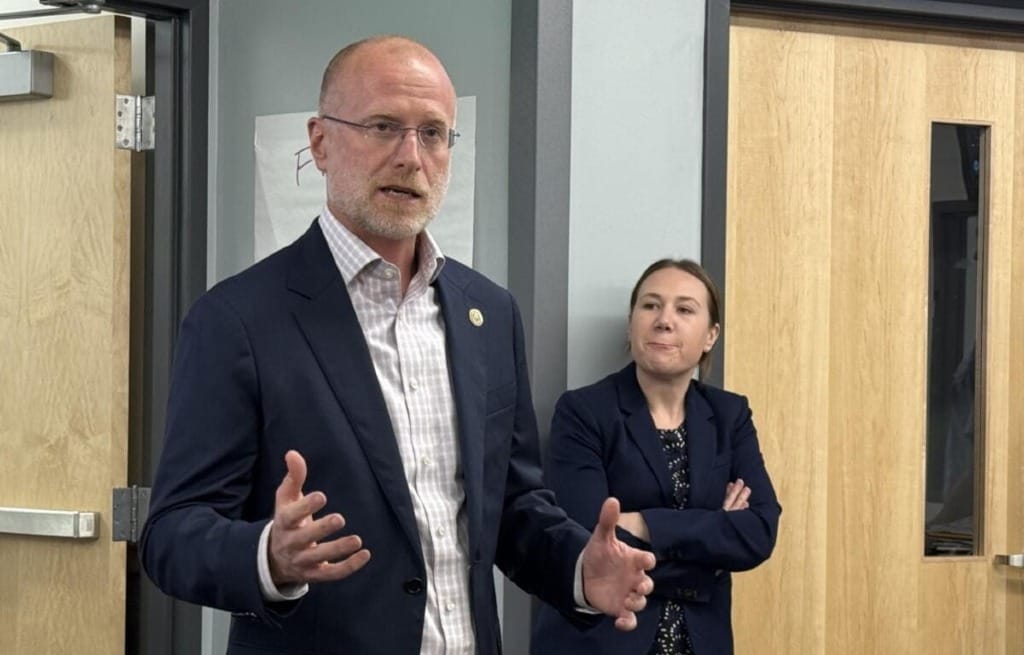
FCC Chairman Brendan Carr, a Republican, announced in a press release Thursday that he is creating a Council for National Security within the agency to bolster U.S. defenses against foreign adversaries, particularly China.
“These bad actors are always exploring ways to breach our networks, devices, and technology ecosystem. It is more important than ever that the FCC remain vigilant and protect Americans and American companies from these threats,” Carr said.
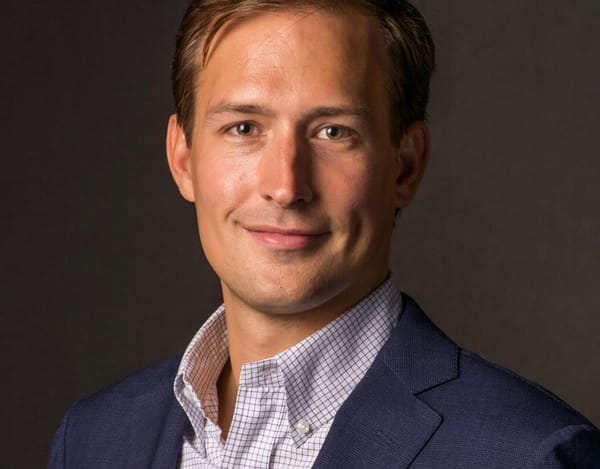
Carr tapped Adam Chan, his National Security Counsel, as the Council’s first director.
The new body will use the Commission’s regulatory, investigatory, and enforcement powers to limit dependence on foreign adversaries, mitigate national security vulnerabilities, and ensure America outpaces China in the telecom sphere.
Democratic Commissioner Anna M. Gomez expressed support for the move in a statement earlier today, while stressing the need for a unified approach.
“I support any effort to bring together expertise within the FCC, in partnership with other federal agencies and international partners, to strengthen our country’s defense against evolving security risks. I look forward to working with my to ensure that politics does not interfere with our mission,” she said.
Federal acquisition lags private-sector advances, creating deployment gaps across key defense technologies.
Deal hands WOW! to investment firms DigitalBridge and Crestview amid rising fiber competition.
On the FWA front, MoffettNathanson estimates the service accounts for more than half the traffic on Verizon, T-Mobile networks.
NVIDIA's CEO warned China now generates twice the U.S. electricity, builds data centers in months, and claims 70% of global AI patents.
Member discussion