
Charter Broadband Losses Less Than Expected
Earnings call highlighted potential growth through Cox merger and plans to launch a new Wi-Fi product in Q1 of 2026


WASHINGTON, Jan. 30, 2026 — Charter lost 191,000 broadband subscribers in the fourth quarter of last year, a smaller loss than was predicted by Wall Street and an improvement year-over-year, Charter announced on its Friday quarterly earnings call.
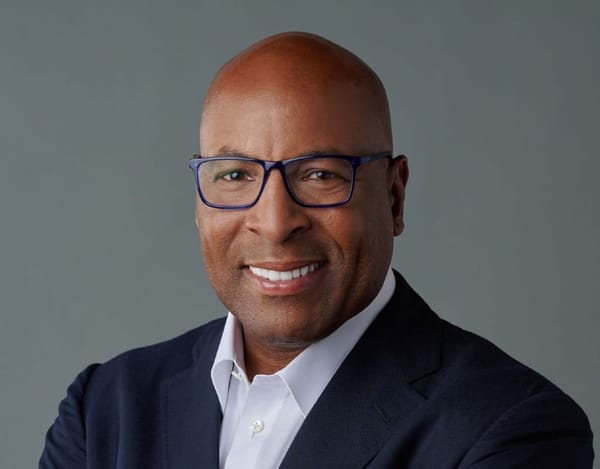
Chris Winfrey, CEO of Charter Communications, stated that low house move rates and mobile only households, along with competition from fiber and fixed wireless, have maintained a poor environment for growth of broadband subscribers.
“In this environment, getting back to positive net additions is a game of inches.” Winfrey said. “We're incredibly focused on one, more clearly messaging for superior value and utility, and two, providing the best quality service in the market in a way that is recognized by our customers and our service is a competitive advantage.”

The competitive advantage, according to Winfrey, is partially linked to a long-term fixed pricing strategy that sets subscribers up with a $100/month for 1 Gigabit per second (Gbps) broadband two mobile lines. The goal, he said, is to deepen customer relationships through multiple product channels, leading to overall savings for customers and increased revenue for Charter.
Still, Winfrey predicted that broadband uptake won’t grow this year but overall trends would improve
Also announced was a new “Invincible Wi-Fi” product Winfrey said the company will roll out in February. The product combines Wi-Fi 7 technology with a 5G and battery backup which can seamlessly switch in the event of an outage.
Mobile market share below expectations
Winfrey said fourth quarter mobile adds of 437,000 missed expectations due to heavy promos from other carriers alongside the launch of the new iPhone 17. He said the cable operator didn’t match the carriers’ promo pricing.
“I don't think that customers are ultimately, at the end of the day, fooled,” Winfrey said. “Today, [customers] can be entertained with an offer at one point in time, but at the end of the day, you look at the total amount that's on your bill, and if you compare that or competitors to what our bill looks like, you can buy a lot of advanced telephones, so many other devices, with that savings that we provide.”
Winfrey noted that with an increased ability to offload traffic onto Wi-Fi and to a smaller extent Citizens Broadband Radio Service (CBRS) spectrum, the company has been able to maintain quality of service for mobile.
It expects to deploy CBRS spectrum in 20 new markets in 2026, in addition to 23 existing markets, he said. The company did not provide specifics on what markets it would be looking at for this rollout.
Rural expansion
Charter was able to net an additional 47,000 customers and increase rural passings by 147,000 in the quarter, beating their 12 month goal of 450,000 passings by 33,000.
Winfrey said he expects the company will add an additional 450,000 rural passings in 2026, and that it plans to invest 230 million of its own money on BEAD buildouts between 2027 and 2029, as part of its long-term rural expansion plan.






Member discussion