Claiming Another First, Louisiana Disburses $43 Million in BEAD Funds

The state wants to see non-deployment funding for workforce development, permitting assistance.

Claiming Another First, Louisiana Disburses $43 Million in BEAD Funds
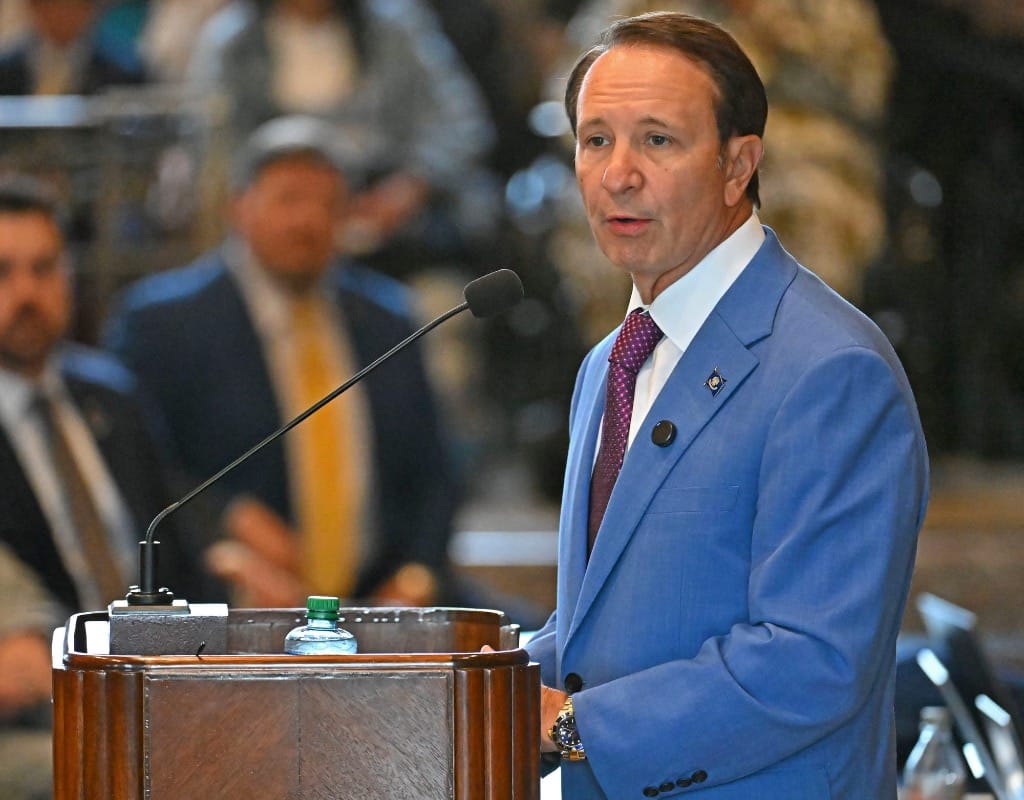
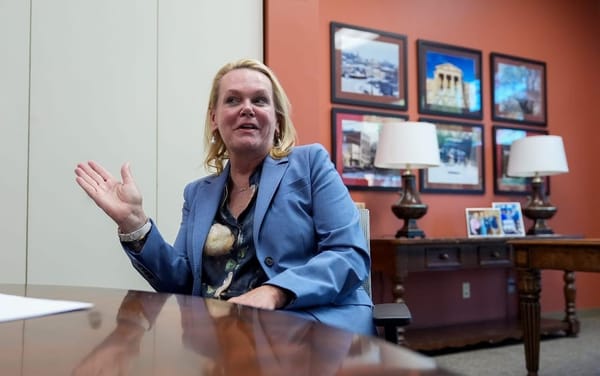
Photo of Louisiana Gov. Jeff Landry (R) by Hilary Scheinuk/The Advocate via AP

WASHINGTON, Feb. 17, 2026 – Louisiana has officially disbursed funding under the Broadband Equity, Access, and Deployment program, something the state said Monday was a national first. 

“Getting these dollars out is a big practical step for our state. It means providers can line up crews, order materials and finally get shovels in the ground.” Veneeth Iyengar, executive director of Louisiana’s broadband office, said in a statement.

Under state law, 10 percent of an ISP’s BEAD award is made available soon after signing grant agreements. Iyengar confirmed that $43 million had been disbursed, 10 percent of the $430 million in BEAD contracts that state had signed so far.

Most states have federal approval on their spending plans under the $42.45 billion BEAD program, all except for Alaska, California, Illinois, Oklahoma, and Washington. After the Commerce Department’s National Telecommunications and Information Administration signs off, states still need to get approval from the program’s grants manager, the National Institute of Standards and Technology.

In addition to Louisiana, at least Arkansas, Colorado, Idaho, North Dakota, Texas, and Wyoming have received NIST clearance, the final barrier to disbursing BEAD funds.

Iyengar said that NTIA was processing the state’s requests for disbursements within three to six days, which he said was a much quicker turnaround than some other federal funding programs.

“NTIA should be applauded for that,” he said.

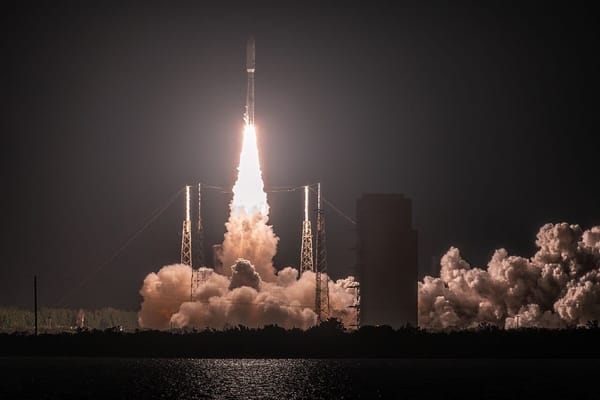
Louisiana’s signed BEAD contracts cover about 115,000 locations, with the large majority of the state’s roughly 12,000 remaining BEAD locations set to be served by SpaceX’s low-Earth orbit satellite service.

That contract has not yet been signed. The company has been asking states to agree to terms that would, among other things, exempt it from various BEAD rules around performance testing and prevent states from conditioning payment on subscriber milestones.

SpaceX won the most locations of any provider under BEAD – after the Trump administration updated the program’s rules in June to make it easier for non-fiber providers to compete on the basis of cost. Most BEAD locations, about two-thirds, are still in line to receive fiber.

Despite the company's big win, and its request that NTIA reject state plans that didn’t award the company sufficiently many locations, SpaceX told state broadband offices that participation by LEO providers like itself could be “untenable” without terms along the lines of those it requested.

After NTIA told states in an updated FAQ document to be wary of companies looking to water down their oversight authority, Commerce Secretary Howard Lutnick confirmed to lawmakers last week the agency wasn’t on board with SpaceX’s proposed rider.

“That rider is outside of our guidelines, is outside the statute, and it is rejected by us,” he said. “There will be no rider.”

He added, “If SpaceX does not want to live without the rider, then you will definitely go find an alternative means of execution so you can deliver broadband to each and every one of the people in your state.”

Non-deployment

Louisiana’s approved BEAD plan would spend about $500 million of its $1.36 billion allocation on deployment projects. States will be able to use their remaining allocations, Lutnick and NTIA have recently confirmed, but it’s not yet clear what they will be able to spend the money on.

NTIA held a listening session on Feb. 11 – another is scheduled for Wednesday at 2:00 p.m. – seeking input on how to spend non-deployment funding. The agency expects that to ultimately total about $21 billion, nearly half of BEAD’s budget, thanks in part to Trump administration efforts to limit spending.

That was preceded by a closed-door session with state broadband offices and NTIA Administrator Arielle Roth. Broadband.io’s Doug Adams reported that most states said they were interested in using the money for workforce development, network resiliency projects, and permitting assistance.

That’s in line with what Louisiana was looking to see, according to a Feb. 9 letter from Louisiana Governor Jeff Landry, a Republican, to Lutnick. In addition to workforce development and permitting, Landry proposed funding for Next Generation 911 and for mapping the presence of broadband and other infrastructure.

Landry said states should have 90 days to submit plans for spending their non-deployment funding.

NTIA is set to release more guidance on non-deployment funding on March 11. That’s the agency’s deadline for producing a notice detailing which states have “onerous” laws on artificial intelligence companies and thus are not allowed to use their non-deployment funding. 

That’s something NTIA Chief of Staff Brooke Donilon said at INCOMPAS’s conference last week would impact a “handful” of states. She said the agency was meeting with governors on the issue and wanted to target “big laws really impacting the development of AI” rather than saying “well, it somehow touches AI, so therefore it’s a problem.

Member discussion

Popular Tags