
Consolidated Looking to Discontinue Copper at 45,000 New England Locations
The FCC is set to vote on easing the copper retirement process later this month.


WASHINGTON, July 10, 2025 – Consolidated Communications is looking to discontinue legacy voice services at more than 45,000 locations in Maine, New Hampshire, and Vermont.
Consolidated said the affected customers could be transitioned to a voice over internet protocol (VoIP) service on its fiber network under the company’s Fidium brand. The company said the major wireless carriers also offer standalone voice service in all the affected areas, part of the requirements for federal regulators to greenlight the discontinuance.
Of the total affected locations, 26,027 are in New Hampshire, 14,848 are in Maine, and 4,206 are in Vermont. Counties near each state capitol are listed in the company’s Tuesday filings, plus several in northern New Hampshire. And other parts of Maine.

FROM SPEEDING BEAD SUMMIT
Panel 1: How Are States Thinking About Reasonable Costs Now?
Panel 2: Finding the State Versus Federal Balance in BEAD
Panel 3: Reacting to the New BEAD NOFO Guidance
Panel 4: Building, Maintaining and Adopting Digital Workforce Skills
Consolidated said it would stop offering legacy voice service in the areas at issue on Oct. 7, 2025, provided it gets the necessary approvals, and that it “has committed to working with its remaining legacy voice customers in the Affected Service Area to enable them to transition to Fidium, or an alternative voice provider, if they choose to do so.
The Federal Communications Commission needs to approve telecom provider requests to discontinue service and rip up their old copper networks, an effort to make sure swathes of rural areas don’t lose access to essential services. That usually involves showing the incumbent will replace the service with something comparable and/or that another option is available.
ISPs for their part are eager to retire their legacy infrastructure as quickly as possible, as it no longer provides competitive broadband service and is costly to maintain – AT&T, which has been particularly aggressive with its copper retirement plan, said in a recent FCC filing it spends $6 billion annually on copper maintenance.
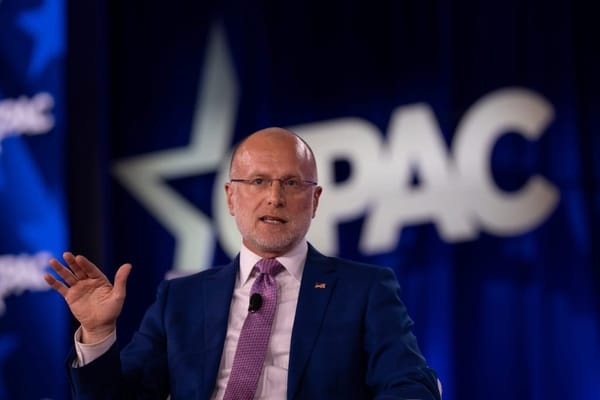
FCC Chairman Brendan Carr has made an effort to make the transition easier for providers. The agency temporarily waived a slate of requirements earlier this year, and is set to vote later this month on proposing making many of those changes permanent and otherwise streamlining the rules.
“Our goal can be stated simply: We are aiming to free up billions of dollars for new networks, instead of forcing providers to keep investing in old ones,” he said in a speech in South Dakota Wednesday.
Consolidated’s filings didn’t cite the waivers, but the FCC said in a draft order that it recently used them to approve a small discontinuance request from Lumen for six locations in Colorado. That application was able to point to bundled voice and mobile broadband service from Verizon as an adequate replacement, where under the existing rules a replacement service would have to be standalone voice rather than a bundle.
AT&T filed applications earlier this year to grandfather legacy services across about 25 percent of its copper wire centers. The company has been making a push to retire all of its copper outside of California by the end of 2029.
The company has said it secured favorable conditions with other state legislators and utility regulators, but California’s carrier of last resort rules make it harder to decommission there. The carrier and other telecom companies and trade groups are still pushing the state to update its rules as part of an ongoing rulemaking.
Consolidated was bought and taken private by Searchlight Capital in December. The company had nearly 400,000 broadband subscribers as of its last earning release in November.






Member discussion