CPUC Approves $34.5 Billion Charter-Cox Merger
The agency adopted settlement agreements between the companies and consumer advocates with few additional conditions

Aug. 13, 2026 – California regulators voted Thursday to approve Charter’s $34.5 billion acquisition of Cox Communications, removing the final barrier to the cable merger closing.
The approved order adopted with few changes two settlement agreements between the companies and consumer advocates in the state. It was an alternate decision put forward by California Public Utilities Commissioner Matthew Baker, rather than the administrative law judge who oversaw the case.

It was also the version the companies had asked the CPUC to go with. The decision proposed by ALJ Jamie Ormond would have imposed rural deployment and low-income service requirements that went further than the settlement agreements.
The five CPUC commissioners unanimously voted to approve Baker’s version.
Those two agreements will see the combined company, which will go by Cox despite Charter being the buyer, spend $275 million on network upgrades in the state and offer a $20 monthly plan for eligible households.
New subscribers on that and other low-income plans would not be required to have gone without broadband the previous month, a response to concern from non-settling advocacy groups.
Still, those groups remained concerned about increased consolidation in the telecom industry, they said in a joint statement. The statement was joined by the California Alliance for Digital Equity, Digital Equity LA, the Media Alliance, and others.
"While the Charter/Cox merger offers a few substantive public interest benefits – such as requiring Charter to adhere to current Public, Educational, and Government Access Channels laws – we caution against the continued and rapid consolidation of the marketplace without sufficient regulatory safeguards," the groups said.
The combined company will also have to participate in California’s low-income broadband subsidy program for five years, and spend $30 million to support broadband adoption efforts. That would be spent with the nonprofit California Emerging Technology Fund, one of the settling parties.
Charter and Cox also reached a settlement with CalAdvocates, the CPUC’s own public advocacy office.
The merger will create the largest ISP in the country, with more than 70 million passings and more than 35 million broadband subscribers.
"With the closure of the Cox transaction, we expect an increase in investor speculation around a potential Charter-Comcast merger, especially after Comcast's recent announcement that they are splitting the Cable and Media assets," New Street Research analyst Vikash Harlalka wrote in an investor note.
The deal received Federal Communications Commission approval months ago, and California was the last barrier to its closing. If the CPUC hadn’t voted on Thursday, Justice Department approval, granted last year, would have expired and required another review.
In addition to the settlements, Baker’s decision would also require the companies to offer 72-hour backup batteries in case of outages. The companies had asked to meet that requirement in phases over time, something the approved decision declined to allow.
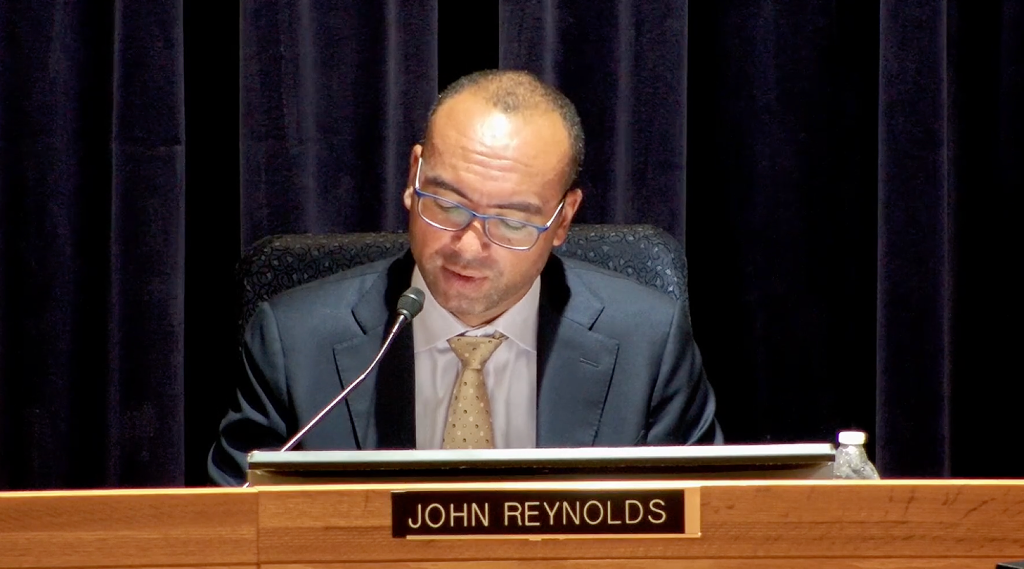
“We’ll have our work cut out for us in ensuring these benefits are achieved,” CPUC President John Reynolds said at the agency’s Thursday meeting. “Staff will monitor and enforce compliance with the settlement agreements and proposed decision to ensure Californians received better service after this transaction.”
CPUC Commissioner Darci Houck said the agency favored settlements when they happened, and that she didn’t think the ones struck in this case needed to be overruled with extensive additional conditions.
In another condition, the combined company would have to offer any given promotion throughout the state, unless it was motivated by another ISP’s local promotion. The goal was to promote low prices across the state.
CPUC Commissioner Christine Harada said the agency and advocacy groups should pay extra attention to ensure the exception didn’t effectively allow normal localized promotions.
Standalone Cox
In filings with the Securities and Exchange Commission earlier this month, the companies said Cox brought in $6.6 billion in revenue in the first half of 2026, compared to Charter’s $27 billion.
The filings didn’t give updated subscriber metrics for Cox, but did indicate that the company was lowering prices in a bid to mitigate subscriber losses that have plagued cable companies for years, MoffettNathanson founder Craig Moffett wrote in an investor note at the time.
Update: This story was updated to include additional commentary.