Cruz not Sold on T-Mobile-Grain Deal
The FCC should only approve the deal with ‘specific, enforceable deployment requirements,’ he wrote in a letter to the agency

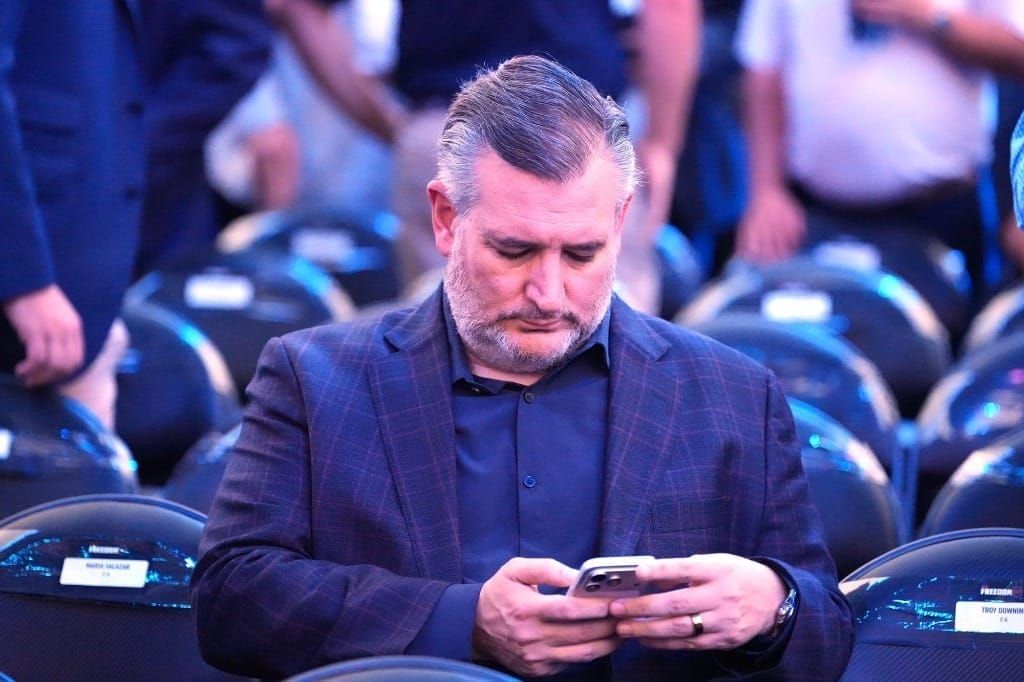
WASHINGTON, June 16, 2026 – The head of the Senate Commerce Committee isn't sold on T-Mobile’s plan to sell wireless spectrum licenses to investment firm Grain Management.
Sen. Ted Cruz, R-Texas, has “serious concerns” about the deal, he wrote in a Monday letter to Federal Communications Commission Chairman Brendan Carr.
Grain is looking to buy T-Mobile’s 800 MegaHertz (MHz) licenses in exchange for $2.9 billion in cash and Grain’s 600 MHz holdings. The investment firm’s plan is to then sell or lease the spectrum to utility companies, rural wireless carriers, and/or satellite operators looking to provide direct-to-device service.
In order to do that, Grain is asking the FCC to waive certain rules related to ownership of the licenses, including deployment deadlines. Rather than 2028, when the existing deadlines are, the companies want deadlines 12 years after the agency approves the deal. That will give companies that lease the spectrum time to deploy, Grain and T-Mobile argued.
That was too long for Cruz.
“This raises serious questions as to whether Grain intends to quickly and efficiently put this
spectrum to the highest and best use or whether it intends to let it sit idle, wait for the valuation to rise, and flip it for a profit,” he wrote. “Approval should only be given with specific, enforceable deployment requirements.”
The Rural Wireless Association, which represents rural mobile carriers, has raised similar concerns to Cruz. The group said last year it also feared the spectrum would be warehoused and sold to a larger carrier, and asked the FCC to retain the 2028 deadline to ensure the airwaves were promptly deployed.
Grain and T-Mobile countered that the longer timelines would allow “more complex and higher capacity systems” to be built, and said Grain’s financial incentive would be to monetize the spectrum as quickly as possible. A utility trade group also supported the deadline extension.
Three months ago, a year after the deal was first announced, the companies told the FCC that Grain wanted to add direct-to-device satellite operators to its list of targeted lessees/buyers. As part of that, the companies said they would amend their application to ask for a nine-year buildout extension rather than 12.
T-Mobile declined to comment. Grain did not immediately respond to a request for comment.
Representatives from Grain have been meeting with the FCC staff and submitting ex parte letters in recent weeks.
In a Thursday meeting with FCC staff, Grain representatives said the company would bring on at least one advisory firm to help it structure its process for soliciting and reviewing proposals from satellite operators.
“Grain added that, in assessing proposals submitted as part of the competitive process, it will be evaluating them against two overarching criteria: their commercial merits and ability to deploy the spectrum within the timelines the Commission adopts in approving the Transaction,” the company wrote in a filing posted Friday.
T-Mobile was supposed to sell its 800 MHz licenses to Dish as part of the T-Mobile-Sprint merger. Dish couldn’t come up with the cash, about $3.6 billion, and T-Mobile then auctioned the spectrum. Nobody bid up to the target price and the company was able to keep the airwaves and enter a deal with Grain.
Cruz said spectrum warehousing and flipping was a “not-insignificant factor” in the failure of Dish as a fourth national carrier. The company’s owner, EchoStar, has sold more than $43 billion worth of its spectrum to AT&T and is looking to monetize the rest of its licenses, which means Dish’s network will be decommissioned and its customers served on AT&T infrastructure.
“It is imperative that the Commission not allow this transaction to become ‘DISH Mobile 2.0,” Cruz wrote.