
Daniel Suhr: Straight Talk on FCC 'Jawboning'
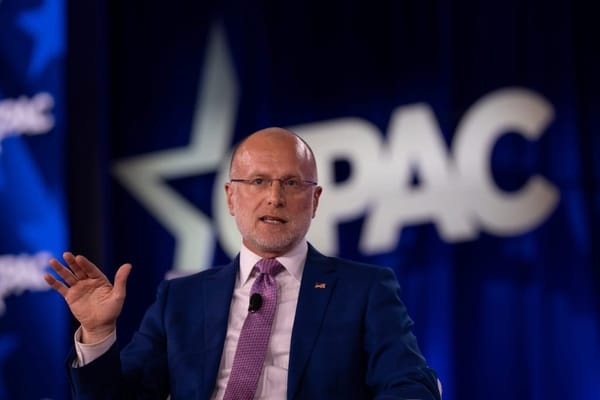
Critics accusing FCC Chairman Brendan Carr of 'jawboning' are misapplying the legal concept established in NRA v. Vullo.

In the biblical Book of Judges, the Israelite hero Sampson slays 1,000 philistines with the jawbone of a donkey. Today, the term "jawboning" is used as legal shorthand to designate when a government official crosses the line from legitimate government commentary, even criticism, of companies into unconstitutional coercive pressure. There’s been a lot of talk of late about “jawboning” at the Federal Communications Commission, including recent articles in Broadband Breakfast
(Legal Experts Warn FCC’s Brendan Carr Edging Toward ‘Coercion’ and Senators Clash Over Big Tech ‘Jawboning’ and FCC Power, both on October 8).
In my view, those who use the concept as a cudgel against Chairman Brendan Carr are stretching it far beyond its actual boundaries.
There’s nuance because, as judges of the U.S. Supreme Court explained in their recent NRA v. Vullo decision, government officials retain their rights to speak out about important issues in our country, including actions by companies both within and outside their regulatory jurisdiction.
In the Vullo case, the commissioner of financial services for the State of New York was pressuring insurance companies regulated by her agency to cut off contracts with the NRA because of the NRA’s Second Amendment advocacy. The commissioner met directly with executives, mentioned various potential infractions, and said she’d be less likely to investigate those violations if the company simply stopped doing business with the NRA. She also issued formal guidance letters warning against continued business with the NRA. And she followed it up with a press release touting the letters and urging New York companies to discontinue dealings with the disfavored organization.
The Supreme Court (correctly in my view) held that Commissioner Vullo’s pressure campaign crossed the line from legitimate government engagement with regulated businesses into unconstitutional government coercion targeting a third party’s viewpoint. The Court acknowledged that “Vullo was free to criticize the NRA and pursue the conceded violations of New York insurance law. She could not wield her power, however, to threaten enforcement actions against DFS-regulated entities in order to punish or suppress the NRA’s gun-promotion advocacy.”
In other words, one of the Court’s key points was the use of third-party pressure tactics—Vullo went after insurance companies who did business with the NRA. The NRA was not within her regulatory jurisdiction directly (unlike, say, the Attorney General, who is responsible for charitable compliance), nor were issues of public health and safety (as she would characterize the problems with lax gun laws). Instead, she used powers that were within her department to target an organization outside her regulatory zone based on that entity’s political advocacy. And she did so through a sustained campaign that used multiple tools of leverage applied directly to these businesses. That, the Court said, she could not do.
Now compare that to Chairman Carr’s supposed jawboning of the networks. First, the topic of his comments was squarely within the Commission’s appropriate scope. This is not a case of targeting an outside entity—he is not telling broadcasters to stop carrying ads for Ben & Jerry’s Ice Cream because he didn’t like the company’s stand on the Israel-Palestine conflict. That would be illicit jawboning along the lines of Vullo, which condemns an “intermediary strategy” by officials “to expand their regulatory jurisdiction to suppress the speech of organizations that they have no direct control over.”
These were comments about broadcast programming carried on the airwaves he is responsible to regulate. Though the Commission treads lightly when it comes to programming, it has consistently exercised after-the-fact reviews of programming on license renewals or complaints to ensure protection of the public interest. And when broadcasters have, for instance, operated their stations in nakedly partisan ways, it has rightly revoked licenses.
Second, unlike the insurance companies in Vullo, he does not have direct regulatory and enforcement jurisdiction over ABC as a network (to focus on the Kimmel situation). The FCC licenses local broadcast stations, and they are responsible for ensuring the programming they run meets their public-interest obligations, whether its produced in-house, taken from a network, or purchased from a third party.
Third, a single tweet or podcast interview is not a sustained pressure campaign like Vullo employed against the NRA, who utilized a media pressure strategy alongside one-on-one meetings with senior executives and formal guidance letters.
Fourth and finally, Chairman Carr’s comments are much less “unprecedented” that many in the commentariat wish to suggest. Many prior FCC chairs have used the soft power of their office to push their policy priorities, whether on indecency in programming or misinformation and “deepfakes.” I would suggest the key difference is that Chairman Carr is an appointee of Donald Trump, and so his every action fits into a predetermined narrative about the Administration overall, whereas his predecessors’ actions were taken on their own merits because they fit within the normal pattern of FCC leadership.
All of which is to say that the quote-unquote “legal experts” throwing around the term jawboning are doing so to advance an agenda, not to apply the law carefully. A thoughtful and thorough analysis of legal and commission precedent shows that Chairman Carr is acting within his appropriate role to remind broadcasters of their obligations under the public interest standard.
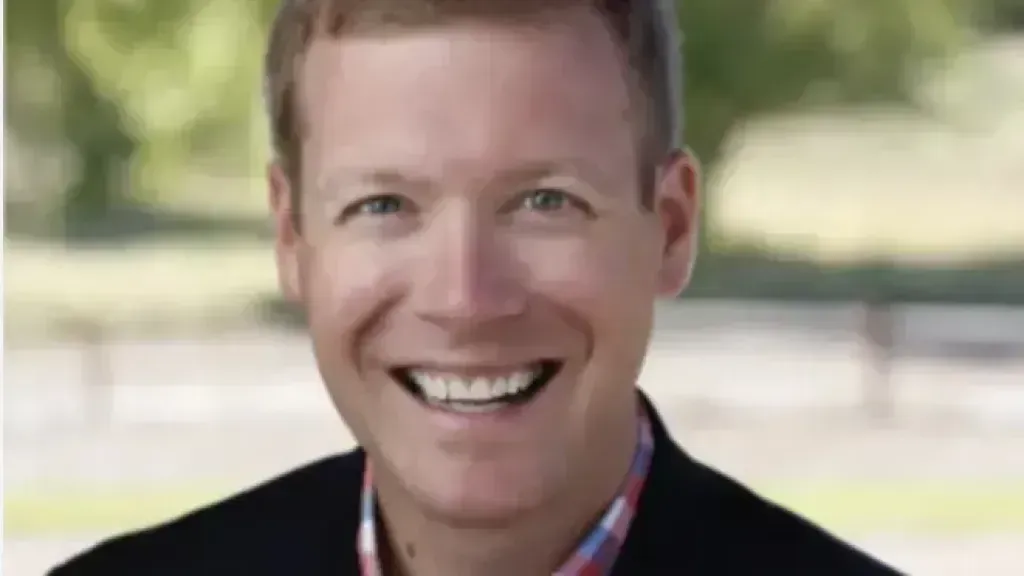
Daniel Suhr is one of the nation’s leading constitutional litigators. As president of the Center for American Rights, he combines legal excellence with politically savvy communications and coalitions strategies to best serve the firm’s clients and causes. As former managing attorney of a nonprofit law firm firm, Daniel litigated cases of critical national importance to block nationwide public health mandates, halt the growth and abuse of administrative powers, and protect and expand school choice for students across the country.
This Expert Opinion was originally published as a "Discussion" in Broadband Breakfast CHAT (must be logged in). Learn how you can post your own thoughts on CHAT!
 Broadband Breakfast
Broadband Breakfast accepts commentary from informed observers of the broadband scene. Please send pieces to commentary@breakfast.media. The views expressed in Expert Opinion pieces do not necessarily reflect the views of Broadband Breakfast and Breakfast Media LLC.



Member discussion