Data Centers are Not that Loud, Taxpayer Groups Finds
Data centers are not much louder than a library or a conversation, study finds

Abby Larkin
WASHINGTON, July 9, 2026 – Hyperscale data centers are not much louder than ambient library sounds or a normal conversation, a recent brief from the Taxpayers Protection Alliance says.
The alliance, citing a 2024 review by the Virginia Joint Legislative Audit and Review Commission, compares the noise created by data centers to noise emitted by everyday activities, creating a data center noise level compared to common activities chart.

JLARC found that noise levels from data centers typically range from 40-59 decibels, placing it between the decibel levels of a library and a conversation with someone 3 feet away. Common noises like lawn mowers and jet takeoffs are much louder than the typical data center.
The July brief states, “These findings suggest that while data center noise may be noticeable in some circumstances, it is little more than a whisper compared to high intensity sounds that are commonly associated with significant noise pollution.”
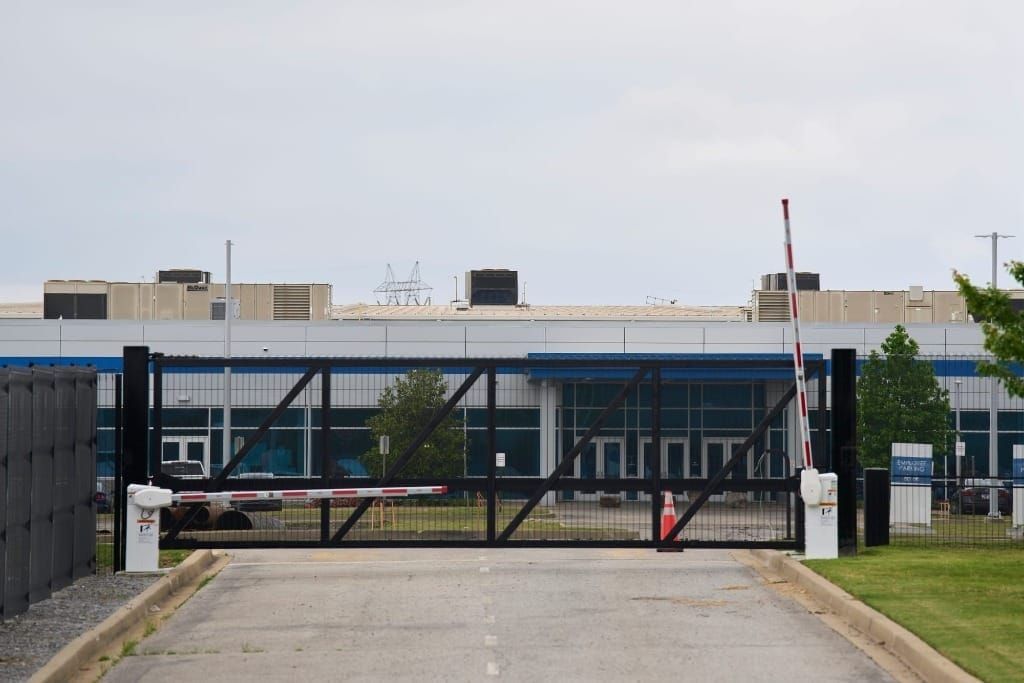
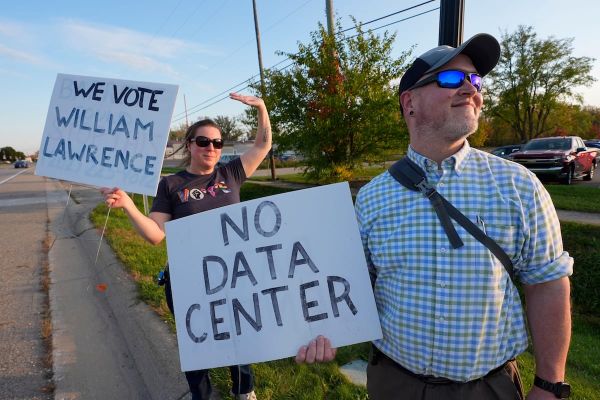
Community opposition to data centers has surged to record levels, with noise becoming one of the primary concerns. In Lowell, Mass., the air has been filled with the buzzing sounds of industrial air conditioners and backup diesel generators from data centers.
There is ongoing legal action around the excessive noise pollution from data centers. According to The Hill, Southaven, Miss., residents are suing Elon Musk’s xAI and SpaceX because of the ‘inescapable and pervasive’ noise from their data center and accompanying power plants in Memphis, Tenn. Plaintiffs are arguing that data center operators are rushing to construct facilities that subject residents to almost constant noise, vibrations and other harms.
Government agencies like the Occupational Safety and Health Administration consider 85 decibels to be the threshold for harmful sounds. Most permitted data center projects must follow public health guidelines and strict zoning laws and are not more than a “quiet and considerate neighbor” in communities, the Taxpayers Protection Alliance said.
The Taxpayer Protection Alliance is a Washington, D.C.- based non-profit advocacy group that conducts research around taxpayer dollars and monitors government spending.