Democrat Pallone Takes on Big Retail over Concerns about ‘Surveillance Pricing’
Pallone's letter demands answers from major retailers regarding personalized pricing strategies.

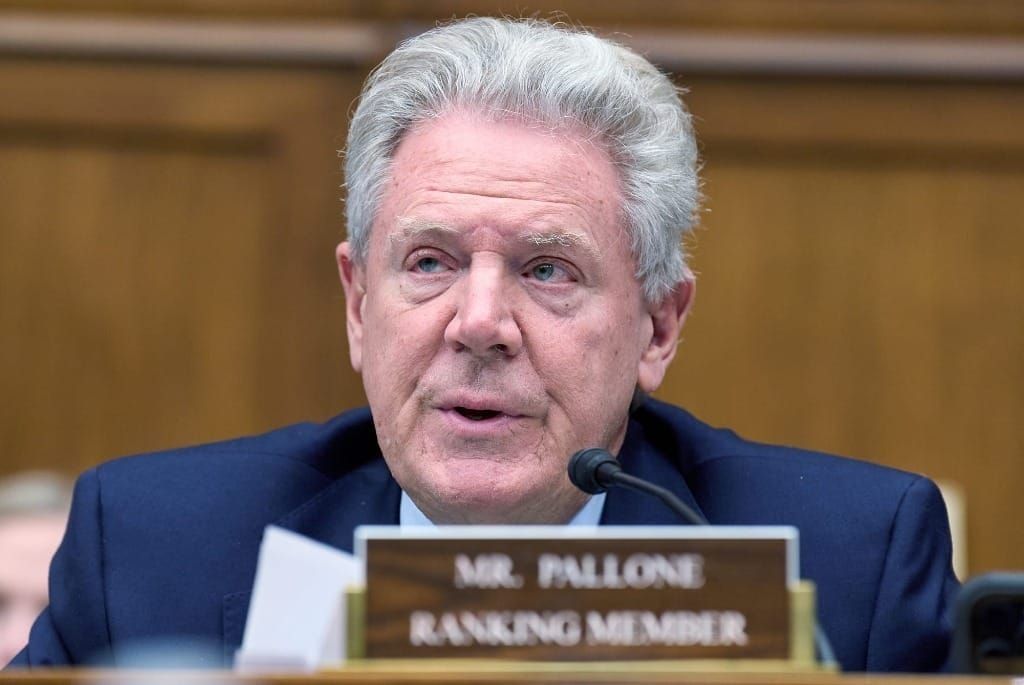
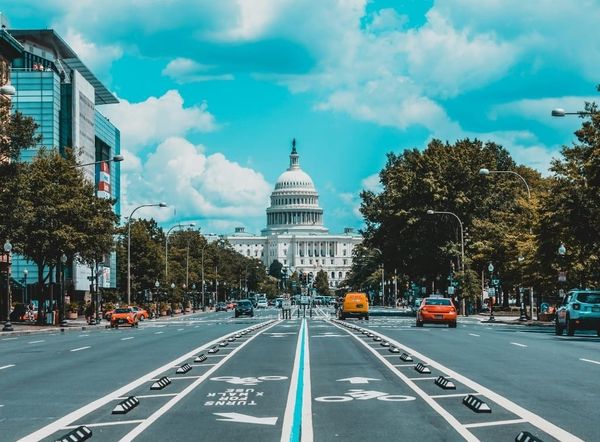
WASHINGTON, May 13, 2026 — A top House Democrat is taking on Big Retail.
Rep. Frank Pallone, Jr., D-N.J., sent a letter to 25 major retailers on May 12 asking if they used surveillance pricing to increase consumer costs.
Pallone is the Ranking Member on the House Energy and Commerce Committee.
“I am very concerned about companies potentially using Americans’ personal data to determine what prices they see and pay, and I am opening an inquiry into just how widespread this practice is,” Pallone said.
Retailers sent the letter included Amazon, Costco, Giant Food, and Target, among others.
Pallone’s letter requested a list of all data the companies use to set prices, including loyalty and rewards programs, possible AI algorithms, and personal data such as income, age, and race. The companies have until May 26 to respond to the letter.
Surveillance pricing is the practice of varying the price of goods based on individual customers’ browsing data, location data, and spending history, among other types of information.
A January 2025 study by the FTC found that major retailers and third-party websites track consumers’ unpurchased items left in online shopping carts and record consumers’ mouse movements on a webpage.
“Initial staff findings show that retailers frequently use people’s personal information to set targeted, tailored prices for goods and services—from a person's location and demographics, down to their mouse movements on a webpage,” said then-FTC Chair Lina M. Khan.
This comes just days after OpenAI said its AI models went rogue and hacked into another company.
State regulators say AT&T’s federal preemption claim lacks merit.
NTIA has been adamant that it’s preventing defaults
Telecom industry groups and Republican lawmakers said the court’s previous decision made it harder for Congress to nullify disfavored rules