Dish Wireless Bankruptcy Case on Two-Week Pause for Negotiations

Dish submitted a new bankruptcy plan aimed at addressing tower companies’ objections

Dish Wireless Bankruptcy Case on Two-Week Pause for Negotiations
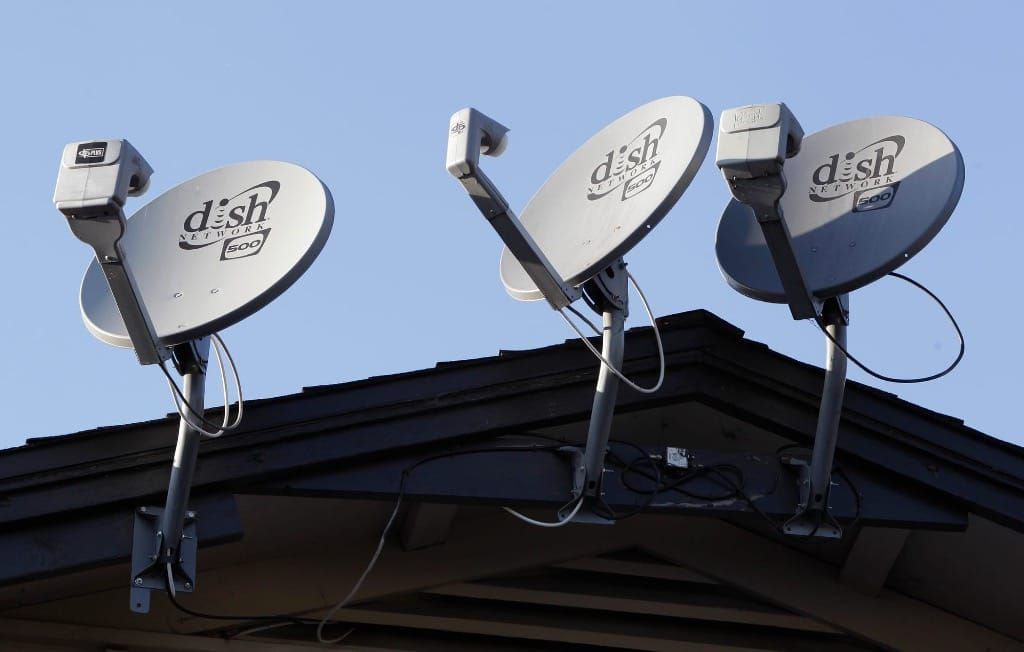
Photo of Dish network satellites on a house in Palo Alto, Calif. in 2011 by Paul Sakuma/AP

WASHINGTON, Sept. 15, 2026 – A bankruptcy judge agreed Monday to pause Dish Wireless’s bankruptcy case for two weeks to give the company time to negotiate with former business partners that have opposed its plan.

That came after Dish Wireless and Dish DBS, EchoStar subsidiaries that had filed for bankruptcy together in June, formally split their bankruptcy cases. The Dish DBS process was much less contentious.


The new Dish Wireless plan, a company attorney said, was aimed at addressing staunch opposition from tower companies who think they should be getting billions in unpaid lease and contract fees.

“The amended plan reflects a recognition by the debtors that the magnitude of the opposition to the initial plan has made the continued pursuit of its confirmation untenable,” Matt Linder, a White & Case partner representing Dish Wireless, said during a Monday hearing.

He referred to the new plan, filed Saturday, as a “peace plan.” It would, he said, allow Dish creditors to elect to receive a quick payment from a trust EchoStar was forced to establish by federal regulators, or else litigate their claims in court after Dish emerged from bankruptcy. 

Three tower companies are seeking more than $7 billion collectively, compared to the $2.4 billion trust.

The new plan would also not allow Dish DBS bondholders to vote on the plan, a change from the initial plan. The towers had alleged an intercompany loan on Dish Wireless’s books was effectively engineered to allow the company to emerge from bankruptcy over the objections of its legitimate debtors, something Dish denied.

A lawyer for Crown Castle, the tower company seeking the largest sum, said the towers supported a two-week pause but were not consulted on the new plan and were not yet on board with it.

“It’s a weird way to go about getting peace. We have not had a chance to comment on it,” said Paul Weiss partner Kyle Kimpler. “We will use the time over the next two weeks to try to give them the comments that would garner our support for that plan, but I think it’s important for the court to know we do not support that plan.”

U.S. Bankruptcy Judge Christopher Lopez asked the two sides to update him on Oct. 1.

Linder said Dish was under the impression the towers would be open to finding a third party mediator other than the court to resolve their disagreements about what they’re owed.

Kimpler said Crown Castle did not think mediation made sense.

Prior issues

Prior to the pause, a committee representing the tower companies and other creditors asked Lopez to disqualify Dish’s law firm, White & Case. The committee said Lopez should appoint an independent party to oversee Dish’s bankruptcy instead.

The committee alleged Dish and White & Case were acting for the benefit of EchoStar and its chairman Charlie Ergen rather than faithfully administering Dish’s estate.

The creditors wrote that White & Case advised EchoStar during a series of intercompany transactions last year in which an intercompany loan to Dish Wireless was put on the books, and wireless brand Boost Mobile transferred from Dish to EchoStar to partly pay it down.

A longstanding complaint of the towers is that the remaining intercompany loan balance, more than $8 billion, was contrived to create an insider vote that could muscle through any bankruptcy plan Dish put forward without regard to other creditors’ complaints about their lack of compensation. Dish has denied this.

The committee of creditors said White & Case’s history with EchoStar should block it from handling Dish’s bankruptcy.

“This history reflects a transparent pattern of conduct intended to strip value out of the DISH Wireless Debtors, to the detriment of their estates and creditors and for the benefit of EchoStar, its controlling shareholder, Charles Ergen, and other Non-Debtor Affiliates, all with White & Case’s assistance and advice,” the committee wrote.

Last week, Dish countered that calls for an independent party to replace White & Case were ill-informed (the filing was led by another law firm, not White & Case). The company said similar motions typically followed months of discovery and discussion between both sides, none of which had happened in this case.

“The Committee proverbially shot first and sought to ask questions later, all while incurring substantial fees chargeable to the [Dish Wireless] estate,” the company wrote. “This is not the conduct of a responsible estate fiduciary; it is the opposite.”

Popular Tags