
DOJ Approves T-Mobile-UScellular Deal, but Harbors Concern About Wireless Consolidation
T-Mobile is set to acquire UScellular's 4.4 million customers and about a third of its specrtrum for $4.3 billion.

WASHINGTON, July 11, 2025 – The Department of Justice said Thursday it would not block T-Mobile’s proposed acquisition of UScellular, but was concerned about the high level of consolidation in the wireless industry.
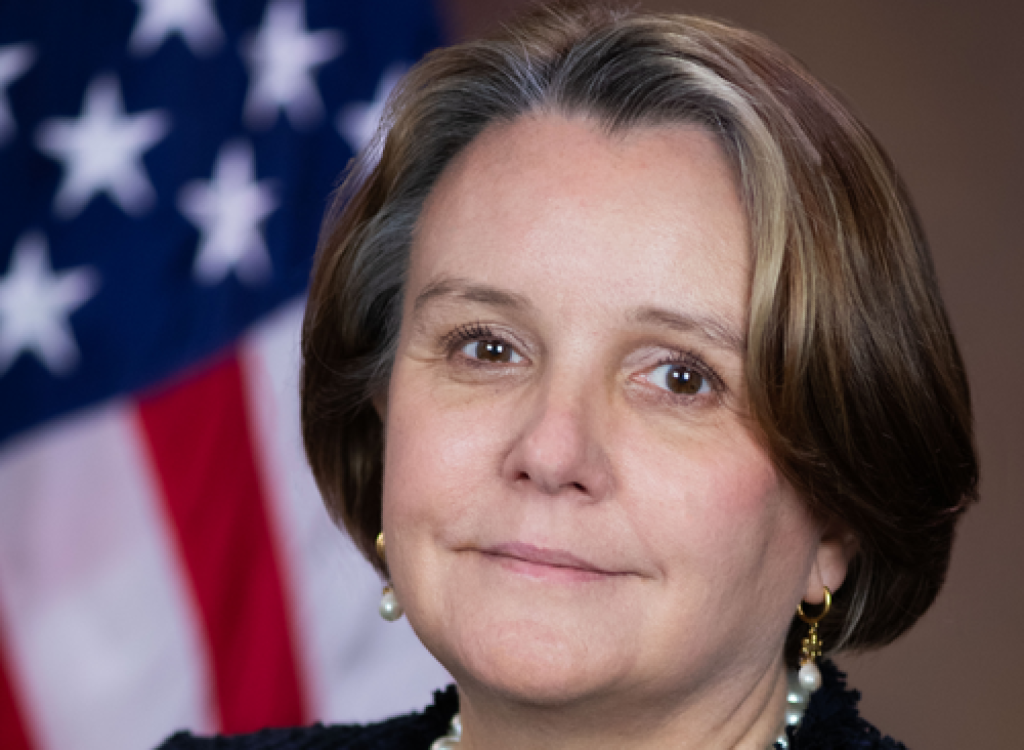
“After a thorough investigation, the Antitrust Division determined prudentially not to seek an injunction to prevent T-Mobile from closing on its proposed acquisition of UScellular,” Gail Slater, Assistant Attorney General for the department's antitrust division, said in a statement. “The investigation nevertheless raised concerns about competition in the relevant markets for mobile wireless services and the availability of wireless spectrum needed to fuel competition and entry.”
The DOJ considered potential harms and benefits for consumers, Slater said, and found that UScellular customers would be better off after the deal, as the carrier’s smaller size would eventually have doomed it.
FROM SPEEDING BEAD SUMMIT
Panel 1: How Are States Thinking About Reasonable Costs Now?
Panel 2: Finding the State Versus Federal Balance in BEAD
Panel 3: Reacting to the New BEAD NOFO Guidance
Panel 4: Building, Maintaining and Adopting Digital Workforce Skills
“That aspect of the investigation made clear that, due in part to its limited regional footprint and unique structural limitations, UScellular simply could not keep up with the escalating cost of capital investments in technology required to compete vigorously in the relevant market,” Slater said.
T-Mobile is poised to take on UScellular’s 4.4 million customers and about a third of its spectrum licenses if the $4.3 billion deal is cleared by the Federal Communications Commission. UScellular would retain its more than 4000 towers.
UScellular is also selling chunks of licenses to AT&T and Verizon for about $1 billion each, provided the T-Mobile acquisition goes through. Slater said the DOJ investigated those transactions too and ultimately wouldn’t bring an enforcement action against them either, but noted concerns about their effects on competition, as the three major carriers would control 90 percent of the country’s wireless lines and 80 percent of the available spectrum.
“As revealed in the merging parties’ advocacy in defense of the proposed transaction, the increased revenues and profitability that the Big 3 obtain through transactions like these enable them to even more dramatically outbid independent rivals for spectrum at future auctions,” Slater said. “It is of concern to the United States that continued spectrum aggregation by the Big 3 threatens to impede the path for a fourth national player to emerge and challenge the entrenched incumbents with new and innovative offerings.”
Consumer advocacy groups and rural wireless carriers have been pushing the FCC to block the deals, saying together they amount to the three dominant carriers carving up one of their largest competitors and further edging out smaller providers.
Public Knowledge, one of those consumer groups, reiterated that call on Thursday.
“This announcement provides further proof that the FCC needs to consider all three of these transactions together under its broader public interest standard, and do what the DOJ under its more limited standard could not – either block the merger or condition it in a way that enhances competition and protects the American people,” Harold Feld, Public Knowledge’s senior vice president, said in a statement. “These conditions should include mandatory phone unlocking so that customers can more easily switch between carriers.”
EchoStar Effect
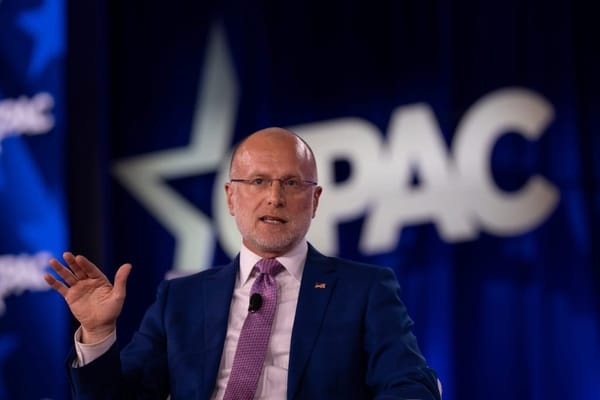
At the same time, the FCC under Chairman Brendan Carr is investigating EchoStar, which was supposed to be a fourth national competitor after T-Mobile bought Sprint in 2020.
“It is widely believed (and we agree) that Carr is hoping that the two public notices he started would cause financial stress to EchoStar so that it would have the impact of forcing EchoStar to end its efforts to become a fourth wireless network and sell its spectrum,” Blair Levin, New Street Research’s policy advisor, wrote in a Friday investor note.
He said the bidders for those licenses would likely be the big three carriers, and that while the DOJ made clear Thursday it was opposed to that, the department probably wouldn’t be able to block such a sale. The legal grounds for doing so would be weak and the companies involved could challenge the move in court, he said.
A wide range of stakeholders have urged the FCC to reverse course on EchoStar, saying the company hasn’t done anything to warrant what would effectively be a forced sale of its licenses. But New Street analyst Jonathan Chaplin said in a separate Friday note that Carr is probably correct that the U.S. market actually can’t support four national carriers without prices going up.

Member discussion