
EchoStar Launching LEO Service, FCC Talks Ongoing
The company also added 212,000 mobile subscribers in the second quarter.


WASHINGTON, August 1, 2025 – EchoStar is planning to launch a direct-to-device satellite service with MDA Space, the company announced Friday.
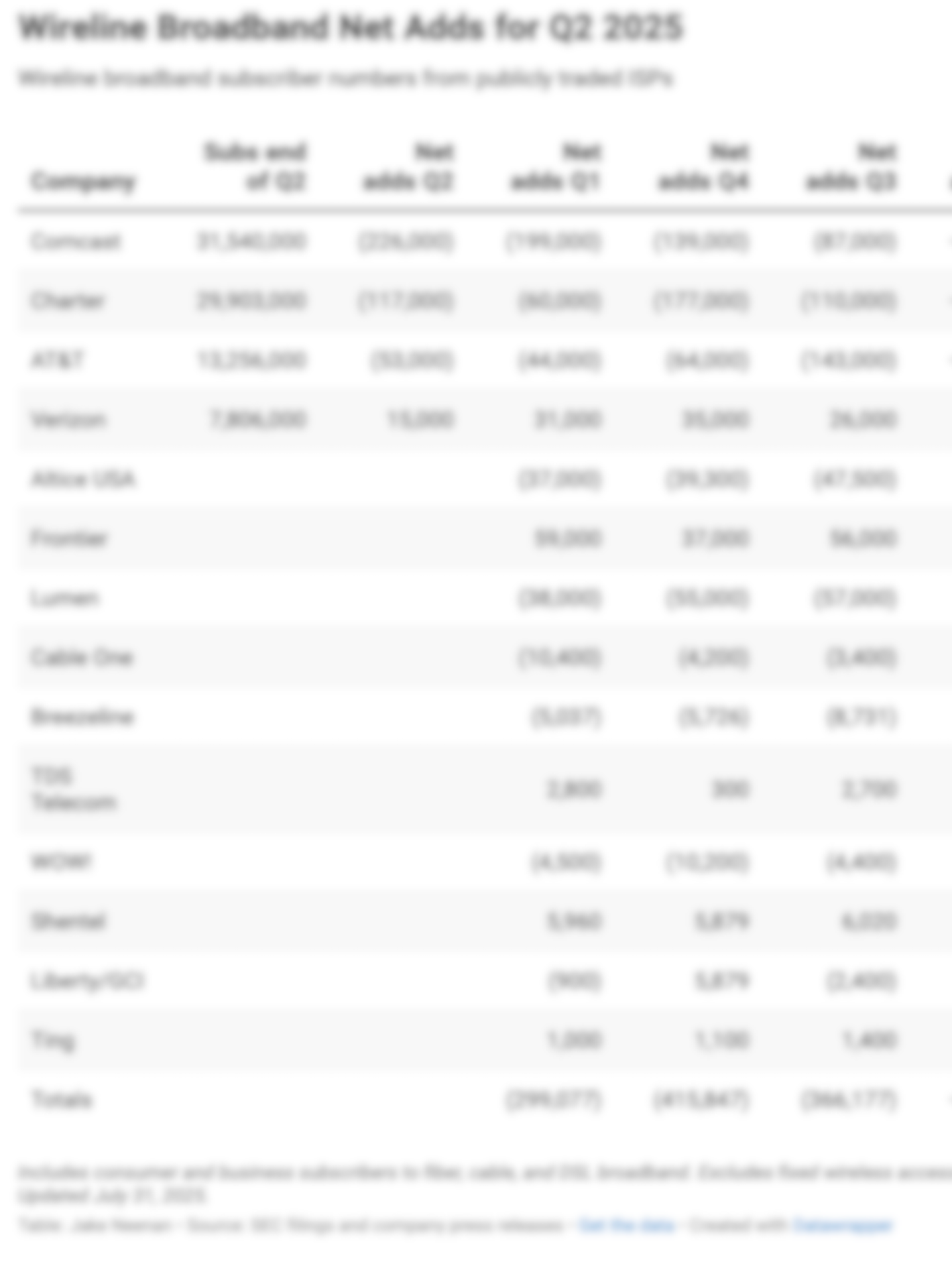
Can't see the Earnings Chart? Know you need Breakfast Club? Get access for $590/year.
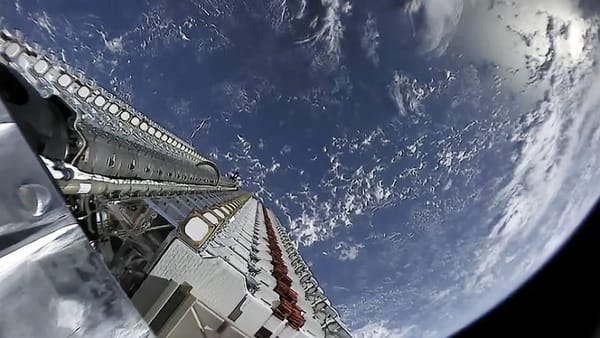
EchoStar is planning to launch the initial 200-satellite constellation in 2028 and offer global commercial service in 2029. The service will be aimed at providing voice, texting, and broadband services similar to what users experience from terrestrial mobile networks.
The service is also slated to use EchoStar’s AWS-4 licenses in the 2 GHz band, which are the subject of an ongoing probe from the Federal Communications Commission that has jeopardized EchoStar’s business.
“We think this is meant to signal to the FCC that they are committed to using the AWS-4 spectrum for both wireless and satellite purposes,” New Street Research analyst Philip Burnett wrote in an investor note Friday. “This could help dispel complaints from various parties (including SpaceX) that the company’s S-Band spectrum isn’t being used.”
The FCC earlier this year launched inquiries into whether EchoStar had met 5G network buildout deadlines associated with the AWS-4 licenses (among others) and into the company’s use of the 2 GHz band for mobile-satellite service (MSS). The agency sought comment on whether it should revisit a Biden FCC decision to extend the terrestrial buildout deadlines and into how it could put the 2 GHz MSS spectrum to more intensive use.
FCC Chairman Brendan Carr has made clear he doesn’t think EchoStar is efficiently using its spectrum holdings. Dish, now owned by EchoStar, was supposed to be a fourth national wireless carrier after T-Mobile bought Sprint in 2020 and purchased Sprint’s prepaid business and some spectrum licenses so the Department of Justice would approve the deal.
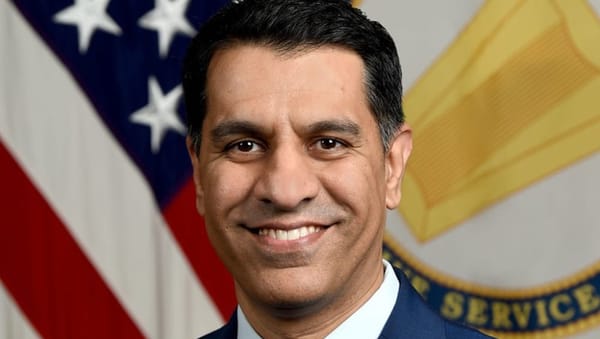
EchoStar CEO Hamid Akhavan said discussions with the agency were still ongoing and kept comments on the issue general on the company’s earnings call. He said that a resolution to the situation, which has led EchoStar to pause much of its 5G network expansion, would not be “years away,” but didn’t give a more specific timeframe.
“I think the request of the FCC has been that we do something together on a reasonably shorter timeline,” he said.
EchoStar said in a Friday filing with the Securities and Exchange Commission that it could file for bankruptcy if the situation isn’t resolved in a way that works for the company. Analysts have said it’s likely Carr wants the company to sell some of its spectrum.
“What’s clear to me is that the status quo itself is just not acceptable,” Carr said of the issue last week. “We’re pushing hard to free up spectrum, and you have Dish effectively, over the years, sitting on a tremendous amount of spectrum that simply isn’t loaded.”
Bloomberg reported Wednesday Carr had made a “best and final” offer to the company that would involve selling some of its AWS-4 licenses. Akhavan downplayed the report, saying options were on the table but that the agency hadn’t given a detailed mandate.
Akhavan said he would give more details about the low-earth orbit satellite service in September at the World Space Business Week show in Paris. It’s expected to cost $5 billion in total, which for now the company is planning on coming up with on its own.
“The most obvious path to D2D success is through carrier partnerships, and all three carriers in the U.S. already have partnerships with other LEO operators,” Burnett wrote. “The only other thing that would make this project viable is a deal for capacity with Apple, similar to the one Apple already has with Globalstar, with the agreement covering the cost of the LEO network.”
EchoStar also posted 212,000 new mobile subscribers in the second quarter, more than Wall Street had expected. That brings the company’s Boost Mobile brand to 7.36 million subscribers.

Member discussion