
Ediberto Roman: Why Media Consolidation Is a Competition and Democratic Problem
Media sector mergers have increasingly narrowed ownership diversity, which has reframed how companies produce and distribute information, and how we consume it.

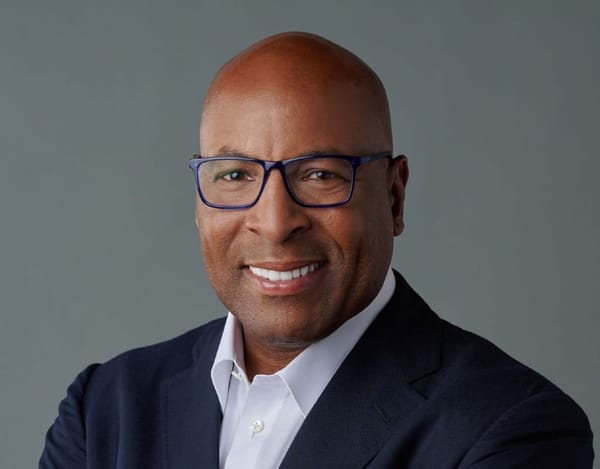
Ediberto Roman

Netflix’s pending merger with Warner Bros. Discovery has revived a heretofore dormant question Washington can no longer ignore: can today’s media industry support democratic values of promoting healthy competition?
Media sector mergers have increasingly narrowed ownership diversity, which has reframed how companies produce and distribute information, and how we consume it. For example, significant companies like Netflix and Amazon control their entire content pipelines from end to end.
It’s not unusual for such companies to own the studios, run the distribution pipelines, oversee streaming platforms, and dictate the algorithms delivering content, leaving newcomers struggling, making rising subscription costs unavoidable.
With this, it’s no surprise that a potential Netflix–Warner Bros. Discovery deal has drawn extreme scrutiny from members of both parties on the House Judiciary Committee. Sen. Mike Lee, R-Utah, Chair of the Senate Judiciary Committee’s antitrust subcommittee, reports that he will hold a hearing on this matter due to “a lot of antitrust red flags.” Sen. Amy Klobuchar, D-Minn., also a senior member of the Judiciary Committee, similarly said that the Netflix-WBD deal deserves significant scrutiny.
The truth is the media sector’s concentrated market power has reached a point that demands congressional attention.
January 2025 research in the Journal of Communication shows excessive market concentration hinders innovation. As the demand for creative content purchases decreases, prominent corporations select secure investments that yield consistent revenues and avoid ventures that involve uncertainty. This results in less negotiating strength for writers, directors, and performers, which decreases the overall variety of content, marginalizes underserved viewpoints, and restricts free expression.
The above conclusions do not mean every media merger should automatically raise red flags. Some combinations can generate efficiencies, strengthen struggling companies, or expand access to underserved audiences without harming competition. But transactions that would effective give a single firm market control — as a Netflix–WBD merger would, leaving Netflix with more than 30 percent of the streaming market — warrant careful review. Indeed, Department of Justice and the Federal Trade Commission guidelines conclude mergers resulting in more than 30 percent concentration raise antitrust presumptions of illegality.
This is especially true when recognizing that these streaming companies don’t just create and promote content for consumers; they also control which content you see and don’t see. Consequently, the algorithms used by these streaming platforms can elevate certain titles and bury others. Some content is effectively invisible. When a small number of corporations control these systems, economic power becomes a form of gatekeeping. Consumers may believe there are unlimited options. What they don’t know is that they’ve already been considerably aggregated.
Democratic values call for a media landscape that has sufficiently healthy levels of competition, where diverse ideas can be brought to the table. But, as media ownership becomes more concentrated, the ecosystem becomes both smaller and more volatile, resulting in a potential ease in harming competition.
Federal regulators potentially examining these issues have the tools they need to address such concerns. Traditional antitrust analysis —including assessing market share percentage estimations and the appearance of vertical integration and high barriers to entry — remains essential. But so do broader questions: Who controls distribution? Who decides what gets promoted? And how easily can new companies emerge?
Regardless of the results of this specific deal, regulators as well as congressional leaders need to confront the bigger issue: the incredibly hostile landscape of the media sector. The House and Senate Judiciary Committees must start holding serious hearings buttressed by enforcement from the Federal Trade Commission and the Department of Justice, in order to protect free markets and competition across the board.
Professor Ediberto Roman is a prolific scholar publishing in the country's top newspapers, blogs, and law journals. His primary areas of scholarly focus include constitutional law, administrative law, business regulation, antitrust, and immigration. He is frequently asked by the media and government officials alike to opine on important issues of the day. This Expert Opinion is exclusive to Broadband Breakfast.
Broadband Breakfast accepts commentary from informed observers of the broadband scene. Please send pieces to commentary@breakfast.media. The views expressed in Expert Opinion pieces do not necessarily reflect the views of Broadband Breakfast and Breakfast Media LLC.






Member discussion