Elon Musk's Message to Rival ISPs – More Pain on the Way
“It’s not out of the question that at some point, Starlink will deliver a majority of the world’s Internet,” Musk said on an Aug. 4 earnings call with Wall Street analysts

■ ITIF Analysts: FCC Should Phase Out the $4.5 Billion High Cost Fund
■ NTCA Lawyer Tells FCC That Availability of Starlink Does Not Mean a Location is Adequately Served
■ Break Glass Moment: TV Station Owner Scripps Cuts Nearly 6% of its Workforce
■ NCTA Points to Research Showing Set-Tops Are More Energy Efficient
■ Fischer Puts $100 Million in Senate Bill to Improve Broadband on Farms
■ Texas Comptroller Orders Internal Review, Though Not Clear If BEAD Related
■ Archtop Fiber Launches Fiber Service to 1,500 in Sand Lake, N.Y.
■ Senate-Passed Husted Bill Would Require FCC to Form Team Targeting Foreign Robocalls
■ Free State Foundation Senior Fellow Andrew Long Praises FCC’s New Broadband Labels
■ People: John Hinshaw Named to Lumen Board
■ Digital Bridge Group Did Not Reveal WOW! Performance Figures
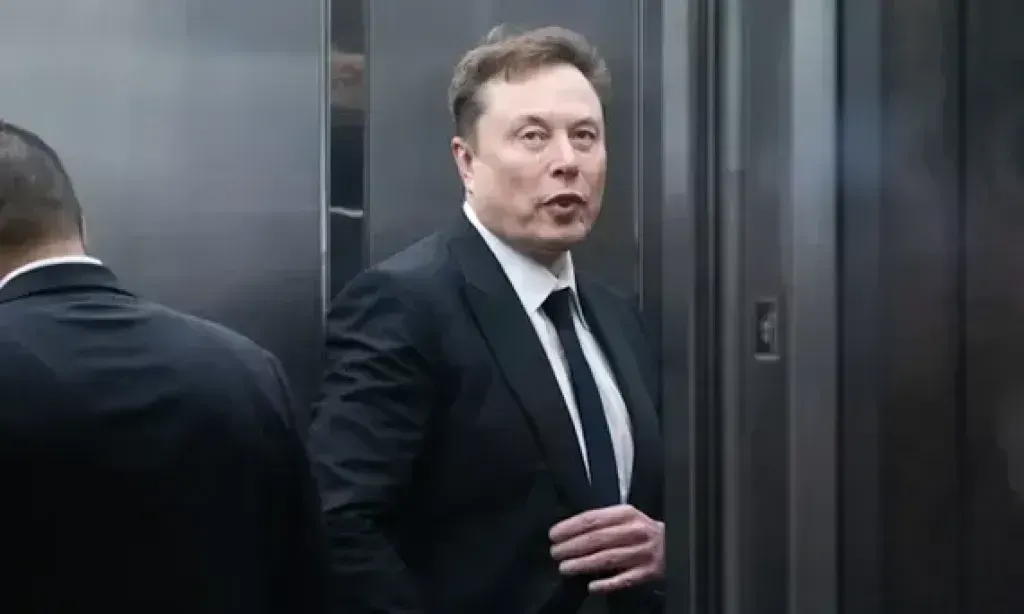
LEO: SpaceX CEO Elon Musk had a simple message for his broadband rivals: More pain is on the way. “It’s not out of the question that at some point, Starlink will deliver a majority of the world’s Internet,” Musk said on an Aug. 4 earnings call with Wall Street analysts. Musk’s comments came a day after Hughes Satellite Systems Corp. filed for bankruptcy, citing withering competition from Starlink. Musk’s low-Earth orbit (LEO) satellite Internet access service added 1.7 million subscribers globally in the second quarter, up from 1.3 million in the prior quarter, to end with 12 million. Musk did not break out U.S. net adds, but it’s likely the U.S. customer count rose by at least 10%. The massive Starship rocket – with its payload of V3 satellites far more powerful than the current generation – is the source of SpaceX’s growth and strength in the broadband arena. “We expect the cadence of flights to be increasing rapidly, and probably a year from now, we will be doing at least one flight a day, possibly more,” Musk said. The impact of the V3 satellites will take some time. “We’d need some critical mass of V3 satellites, probably at least on the order of about 1,000. Probably that’s approximately second quarter next year
would be, I think, where we’d get to that point.” Starship can deliver about 60 V3s per mission. (More after paywall)