Energy Subcommittee Hearing Focuses on Affordability, Grid Modernization
House Subcommittee heard from industry experts on the impact of seven proposed bills.

WASHINGTON, April 29, 2026 — The House Energy and Commerce Subcommittee questioned utility experts on their responses to seven proposed bills about AI and its effects on the energy grid.
Among other things, the bills would increase agency collaboration, establish a public clearinghouse for “advanced transmission technologies,” and provide for the Federal Energy Regulatory Commission to study the real impacts of data centers on utility price hikes. Arizona Corporation Commission Chairman Nick Meyers and other state and business representatives testified on the bills’ impacts.
Subcommittee Chairman Rep. Bob Latta, R-Ohio, emphasized the Trump administration’s efforts to out-compete China and simultaneously “refocus Federal authorities on policies that matter most to the American people: abundant and reliable energy supplies at an affordable price.” Latta noted the public’s concern over AI and data centers and highlighted the multiple bills designed to protect the public from rate hikes.

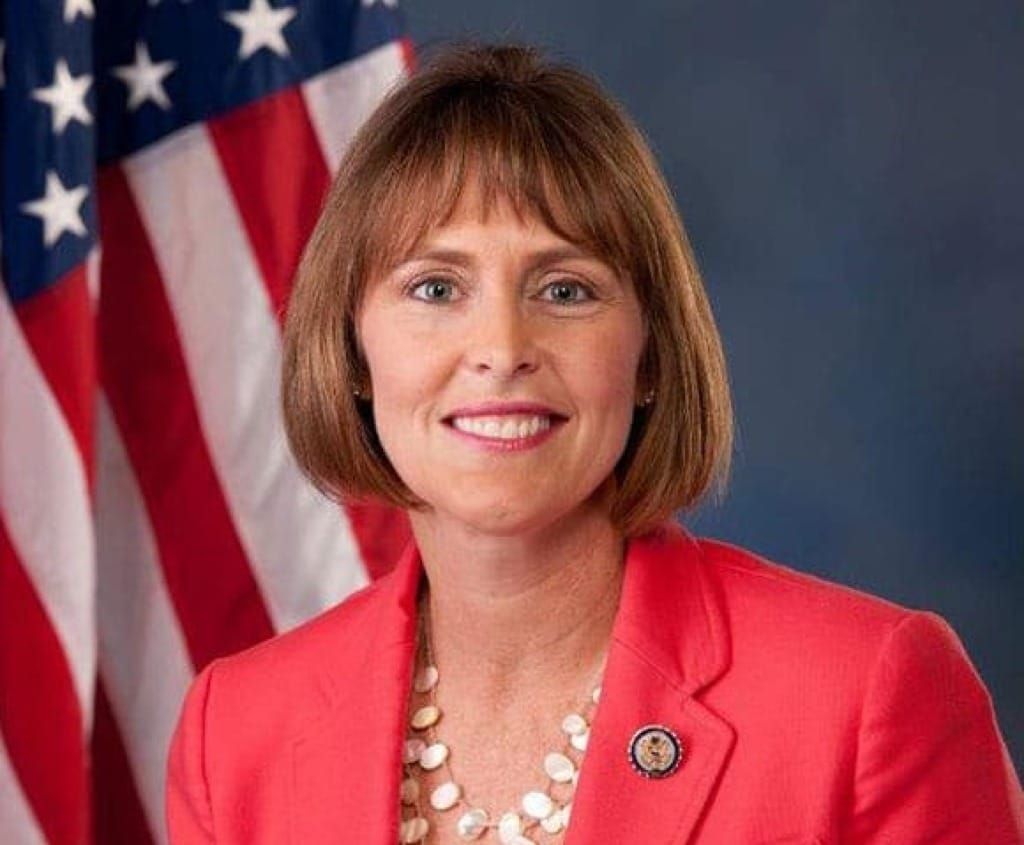
Rep. Kathy Castor, D-Fla., was more optimistic. “There is so much more we can agree on to make the existing grid more efficient by using modern and fast-emerging tools,” she said. “In doing so, families can save money while we power our homes, the vehicles we drive, and AI.” Rep. Castor also cited “recent studies” saying that increasing grid utilization from its current amount of 53 percent could save ratepayers more than $100 billion, which Castor called a “win-win-win” for consumers, small businesses, and large load customers.
Meyers cautioned the lawmakers from an overly uniform regulatory approach.
“In the West, the grid is heavily intertwined with non-jurisdictional entities, such as Bonneville Power Administration (BPA), Salt River Project (SRP), and Western Area Power Administration (WAPA),” Meyers said in his prepared remarks. “In Phoenix alone, SRP and Arizona Public Service (APS) are tightly intertwined, and fully separating cost is unrealistic. This reality creates a level of complexity that broad, uniform federal approaches do not always account for.”
“Federal efforts in this area are most effective when they complement state efforts instead of trying to replace them,” Meyers said.
Rep. Castor said the real challenges facing the grid were lengthy interconnection queues, supply chain bottlenecks, and overdue permitting reforms. Meyers agreed, saying that “substations, transformers, and interconnection facilities are the actual limiting constraints,” as opposed to the conductors regulated by one of the bills.