Experts Advocate for Action on Universal Service Fund Reform
'A legacy program that’s done great things for decades,' said one panelist.

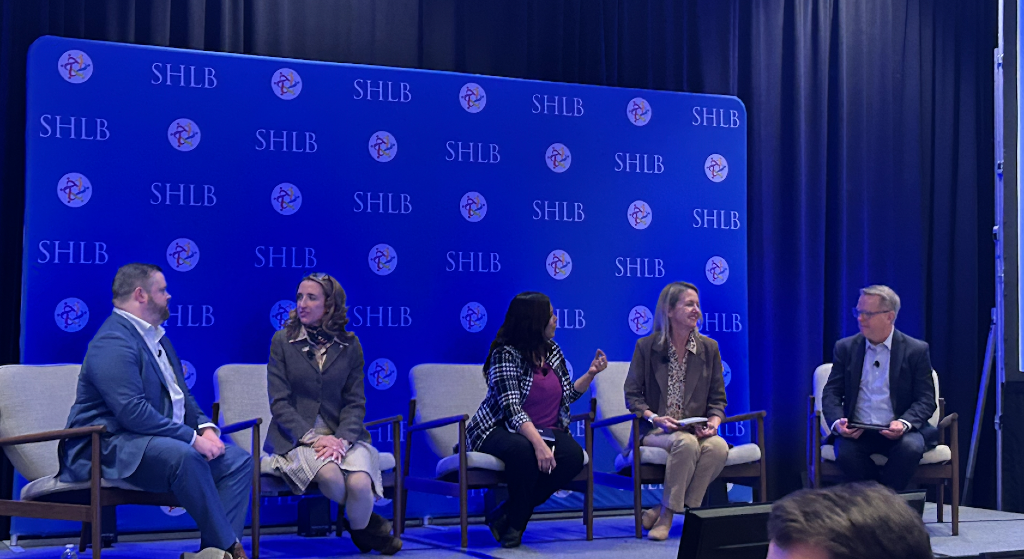
ARLINGTON, Va., Oct. 30, 2025 — Broadband experts called on Congress to modernize the Universal Service Fund’s contribution system, warning that the decades-old mechanism is no longer sustainable.
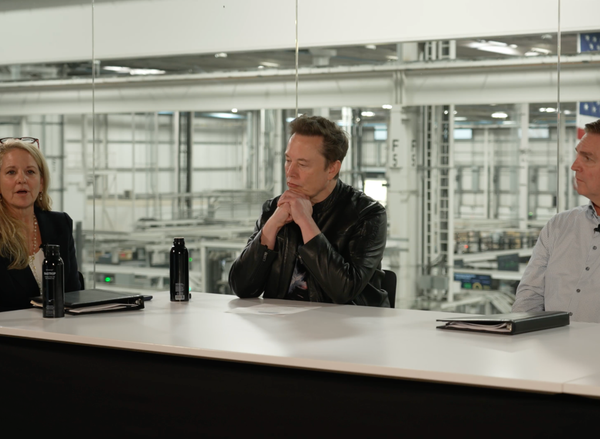
The Universal Service Fund is “a legacy program that’s done great things for decades,” said Gregory Guice, chief policy officer at the Vernonburg Group, at AnchorNets25 hosted by the Schools, Health & Libraries Broadband Coalition here. “But the contribution mechanism is one of the areas where reform is most desperately needed.”
Panelists agreed that with voice revenues declining and internet use surging, Congress and the Federal Communications Commission must consider new contributors to the USF.
Roslyn Layton, executive vice president at Strand Consult argued that large online platforms — which account for the majority of internet traffic — should share the cost of maintaining broadband infrastructure.
“80 percent of internet traffic can be traced to eight major brands,” she said. “Consumers have carried the burden for 30 years.”
She cited a bipartisan proposal, the Lowering Broadband Costs for Consumers Act, that would require digital platforms producing more than three percent of internet traffic and earning at least $5 million to pay into the fund.
Paroma Sanyal, principal at the Brattle Group urged caution, noting that expanding the base too broadly could distort markets.
“If you tax the wrong base, they might actually become less innovative. They might invest less in it.”
Guice pointed to the recent lapse of the Affordable Connectivity Program. “Trusting [Congress] to fund networks that need steady funding isn’t a great proposition for the people that run those networks, and it's certainly not a great proposition for the consumers that rely on those networks” he said.
As artificial intelligence and data-heavy services reshape networks, Layton said the USF must be “rebooted for the age of AI.”
She argued that anchor institutions like schools and libraries will need greater support as data demands increase. “We have to ensure these programs evolve to serve a digital economy, not a telephone network,” Layton said.
Sanyal added that such institutions act as “insurance policies” during crises like the pandemic, when millions relied on libraries for internet access. “You don’t use your insurance every day,” she said, “but when you need it, it has to be there.”
In 2025, the group found fixed wireless additions doubled cable losses
Chicago has extended its Chicago Connected program through the 2026-27 school year
The companies paused some evaluations to implement more monitoring measures, but are locked in a race to compete with each other and international AI firms.
The Congressional Hispanic Caucus said the Senate shouldn’t move forward without a Democratic pairing
America250 / Telecom150
Be part of the broadband community.
Breakfast Club access through December 31, 2026—at least three months—with no automatic renewal.
Everything in Breakfast Club, plus an in-person seat for “250 Years of American Independence & 150 Years of American Telecommunications” on Thursday, October 1, 2026.
Secure paid checkout is provided by HubSpot. Paid passes DO NOT renew automatically.
Complete your secure one-time payment without leaving Broadband Breakfast.