Experts Argue Patchwork Laws Complicate Data Center Boom
Lawyers cite inconsistent state laws and federal policy shifts as key challenges.

WASHINGTON, April 21, 2026 – A rapidly evolving regulatory landscape is reshaping how data center projects are developed across the United States, complicated by inconsistent state laws and federal policy shifts.
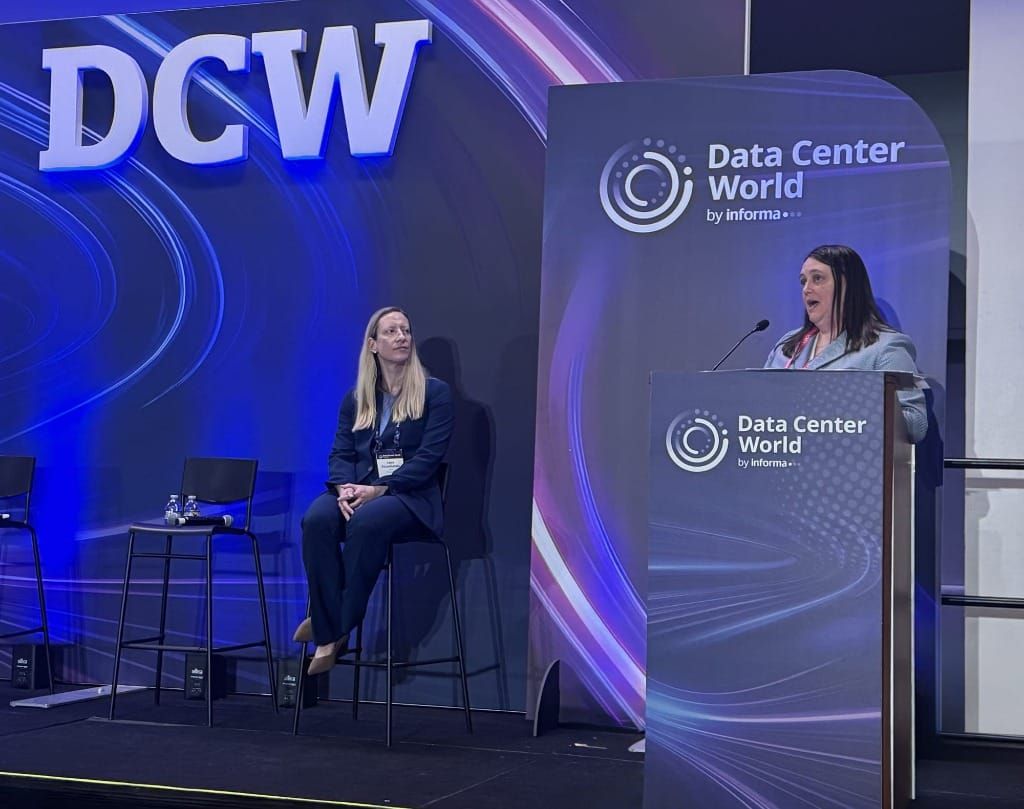
Uncertainty surrounding federal funding and policy direction is complicating planning for many of these projects, said Danielle Burt, partner at Morgan, Lewis, & Bockius, speaking Monday at the Data Center World conference in Washington.
Burt pointed to changes to the Broadband Equity, Access, and Deployment program, originally funded at $42.5 billion. Federal officials have left roughly $20 billion in flux, with questions about how funds will be distributed.

“One way to ensure that states will comply with national policy and remove some of these state ‘onerous’ AI laws is [the White House] saying we’re going to restrict you from having access to this funding if you don’t play ball,” Burt said.
States, however, are still awaiting clarity on what qualifies as “onerous” regulation, adding another layer of uncertainty for developers.
“There’s some discussion as to who should get it and how they should get it,” Burt remarked.
Rising electricity demand tied to artificial intelligence and cloud computing is increasingly drawing scrutiny from consumers and policymakers, said Jane Accomando, partner at Morgan, Lewis, & Bockius.
“Those that have the highest increases, that’s largely been driven by wildfires,” Accomando said. She pointed out regions in California and the Northeast suffer from pressured energy costs.
She also noted that public concern has pushed major technology companies to address the issue directly.
In early March, several large hyperscalers signed a White House-backed Ratepayer Protection Pledge, committing to shield consumers from electricity price increases linked to data center demand. The pledge includes agreements to negotiate separate rate structures and pay for infrastructure capacity even if unused.
Despite these efforts, experts say regulatory fragmentation remains a major hurdle as differing state and local rules can delay projects and increase costs, particularly as communities weigh the economic benefits of data centers against concerns about energy use and land development.