
Experts Debate Real, Perceived Threats to Global Subsea Cable Infrastructure
Panel explores whether fears of cable sabotage match operational reality

WASHINGTON, July 11, 2025 – As global tensions rise across multiple regions, the security of submarine cables carrying 99% of international internet traffic has become a focal point for policymakers and industry leaders. A distinguished panel of experts gathered for Broadband Breakfast Live Online to examine whether mounting concerns about cable sabotage reflect genuine threats or media-fueled hysteria.
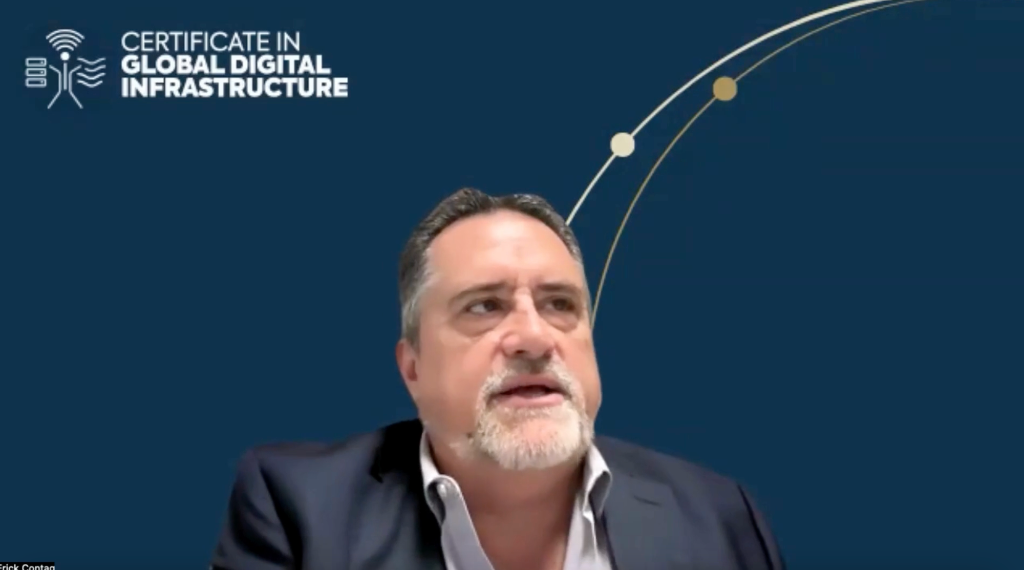
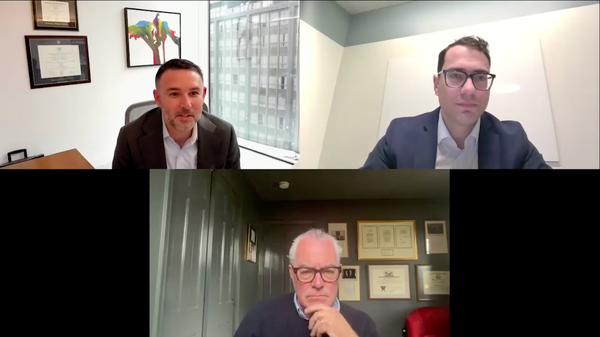
The discussion featured Doug Madory, Director of Internet Analysis at Kentik; Evelyn Remaley, partner at Wilkinson Barker Knauer and former Acting Administrator of NTIA; Rob Frieden, Academy Professor Emeritus of Telecommunications and Law at Penn State; Julian Rawle, Principal of Julian Rawle Consulting; and Erick Contag, President of the Sub Optic Foundation and former CEO of Globe Net.
The economics of sabotage versus repair
The panelists revealed a stark economic imbalance that makes cables attractive targets. "It's an expensive undertaking to repair the cable. It's a very inexpensive and sometimes easily executed strategy of dragging an anchor across a known location," explained Frieden, highlighting how asymmetric the threat landscape has become.
 Ted Hearn
However, the practical challenges of successful sabotage may be overstated. "The trouble is finding the cable in the first place. The sea is a big place," noted Rawle, who has 25 years of industry experience. "I've known cases of ships spending three days going up and down looking for the cable."
Redundancy provides resilience, but with limits
Submarine cable networks are built with redundancy in mind, particularly for major hubs. But that redundancy doesn’t always translate to immunity from disruption.
While multiple cables typically serve major regions, creating natural redundancy, the impacts of outages can be more complex than expected. Madory shared a telling example: "Take Nigeria—had a domestic payment system that is used by Nigerians hosted in Nigeria, stopped working. Why? Probably because it had some sort of DNS dependency that, through its provider in Europe that it no longer could reach."
The challenge is particularly acute for island nations and developing regions. "The less redundancy you have, the more vulnerable you are," emphasized Remaley, pointing to Pacific Islands and parts of Africa as particularly at-risk areas.
Media hysteria and operational reality
Several panelists pushed back against escalating fears about state-sponsored sabotage. "The idea that even the Russians are out to sabotage our cables is something I think which has been fueled by media hysteria and is not actually the reality," argued Rawle.
Madory supported this view, citing recent incidents where Chinese patents for cable-cutting equipment were mischaracterized: "Someone came across a patent for a cut and hold grapnel, like a standard thing that would be on any submarine cable repair ship because cables do need to be cut in order to repair them."
Regulatory modernization needed, panelist say
The discussion also turned to regulatory gaps in cable governance. Remaley noted that the foundational U.S. law governing submarine cables—the Cable Landing License Act—dates to 1936. “It’s woefully outdated,” she said. “We need streamlined processes that reflect today’s infrastructure realities while still ensuring national security.”
Despite disagreements about threat levels, panelists agreed on the need for continued infrastructure investment. As moderator Ted Hearn noted in his opening, the goal remains "better broadband, better lives"—requiring a robust, secure connectivity infrastructure that can withstand both intentional and accidental disruptions.
The debate ultimately revealed that while submarine cables face genuine vulnerabilities, the path forward lies in building redundancy, improving international cooperation, and maintaining realistic assessments of both capabilities and threats in an increasingly connected world.




Member discussion