
FAA Rules could Hinder Upper C-band Use, Mobile Industry Fears
The aviation industry backed the FAA’s proposed rules.

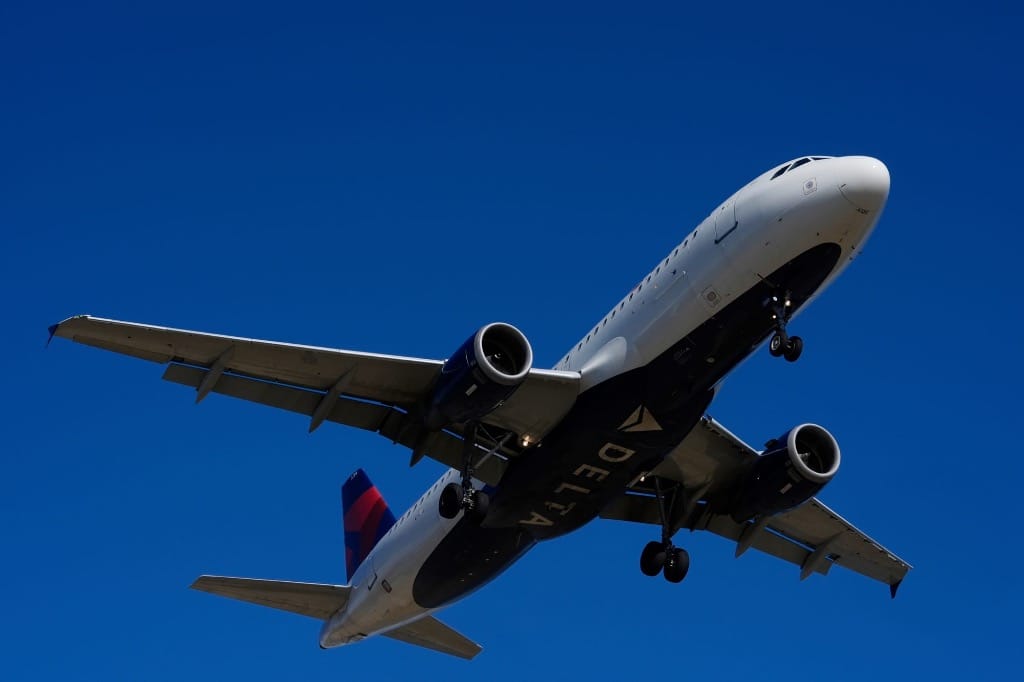
WASHINGTON, Feb. 19, 2026 – The wireless industry is unexcited about proposed federal operating standards for next-generation airplane equipment, fearing it could slow carriers’ access to a new swathe of spectrum.
The aviation industry is backing the Federal Aviation Administration, whose proposed rules CTIA, the major wireless trade group, is taking issue with. The agency is trying to accelerate standards for the new altimeters, which measure airplanes’ height off the ground, to accommodate a July 2027 auction of upper C-band spectrum.
The Federal Communications Commission is looking to sell off as much as 180 megahertz – a number the mobile carriers and airlines agreed on – in the band, which sits at 3.98-4.2 GigaHertz (GHz). Altimeters operate just above the band and the current gear can’t accommodate any interference from mobile use in the upper C-band.

CTIA told the FCC in reply comments on the upper C-band auction that the FAA’s proposed altimeter operating standards, released in January, are too conservative in estimating next-generation altimeters’ tolerance to 5G use in adjacent spectrum. The group said proposed parameters like how close planes could get to towers and altimeter radiation patterns could effectively negate the benefits of the new interference-hardened gear.
Adopting those rules would “result in a poor technical and policy outcome, as it risks overburdening licensees and manufacturers with unnecessarily restrictive technical requirements that would slow robust, timely access to spectrum for 5G and future deployments,” CTIA wrote.
The group has raised the issue in meetings with FCC staff twice this month, saying “these parameters could threaten to restrict Upper C-band access without any real world safety benefit” and that the group was “engaging with the FAA and radio altimeter manufacturers on these issues to advance a consensus framework for evaluating coexistence between 5G operations and radio altimeters.”
CTIA added Thursday that “to address this, the FCC should work with the FAA to improve these discrete parameters in the coexistence modeling in order to maximize the 5G opportunity in the repurposed Upper C-band spectrum.”
The aviation industry took the FAA’s side, countering that the FAA was the expert agency on aviation and was simply sticking to longstanding practices of keeping risks as low as possible.
“Many critical aircraft systems are certified on the likelihood of a catastrophic failure condition occurring no more than once in a billion flight hours,” two dozen aviation trade groups and companies wrote. “As such, what may seem overly conservative to non-aviation stakeholders is simply a required standard industry practice in aviation to preserve the level of safety the flying public deserves and the FAA is entrusted to maintain.”
Altimeter retrofits
The aviation groups noted that nearly 41,000 aircraft will need their gear swapped as a result of the FCC’s planned auction, an effort they said could cost as much as $7 billion. That’s higher than the FAA’s estimate last month, which the aviation industry said was due to more recent information from manufacturers and airlines on the potential costs of the retrofit.
They also said all of those retrofits would have to happen before mobile operations could begin safely in the band. The FAA estimated the retrofits would finish between 2029 and 2032, and the aviation commenters Thursday included a draft schedule ending in 2034.
Airlines were also adamant that they should be reimbursed for the costs of upgrading their equipment, which is on an accelerated timeline because of the impending auction.
Broadcasters and satellite
Luxembourg-based satellite company SES, the largest incumbent in the upper C-band, reiterated its position that the agency sell off no more than 160 megahertz.
The company uses the band to provide video distribution services to cable TV operators and broadcasters, and pointed to comments from those entities as evidence that “the Upper C-band continues to be utilized to provide highly valuable services that rely on the unique qualities of the spectrum.”
SES opposed the FCC considering additional satellite uses in the band, something SpaceX asked for. Elon Musk’s company wanted the ability to provide mobile-satellite service in the band, or to lease spectrum purchased by carriers for the same purpose.
“Satellite operators may opt to directly participate in the auction if the Commission establishes a path for satellite services in C-band,” SpaceX wrote.






Member discussion