
‘Fair Use or Foul Play?’: Senate Subcommittee Hears Experts on AI Pirating Written Works
Debate centers on whether training AI with pirated books qualifies as fair use.

WASHINGTON, July 18, 2025 – A Senate subcommittee convened Wednesday to examine whether artificial intelligence developers were unlawfully using pirated books to train large language models
The Senate Judiciary Subcommittee on Crime and Counterterrorism heard testimony from five witnesses across the legal, literary, and tech sectors.
The session centered on accusations that companies including Meta, OpenAI, and Anthropic trained AI models using copyrighted materials obtained from piracy sites such as Anna’s Archive and Z-Library.

Maxwell Pritt, a San Francisco-based attorney, testified that the companies knowingly pulled from these sites without compensating rightsholders. He and three other witnesses said the companies defended their conduct as necessary to stay ahead in the global “AI arms race.”
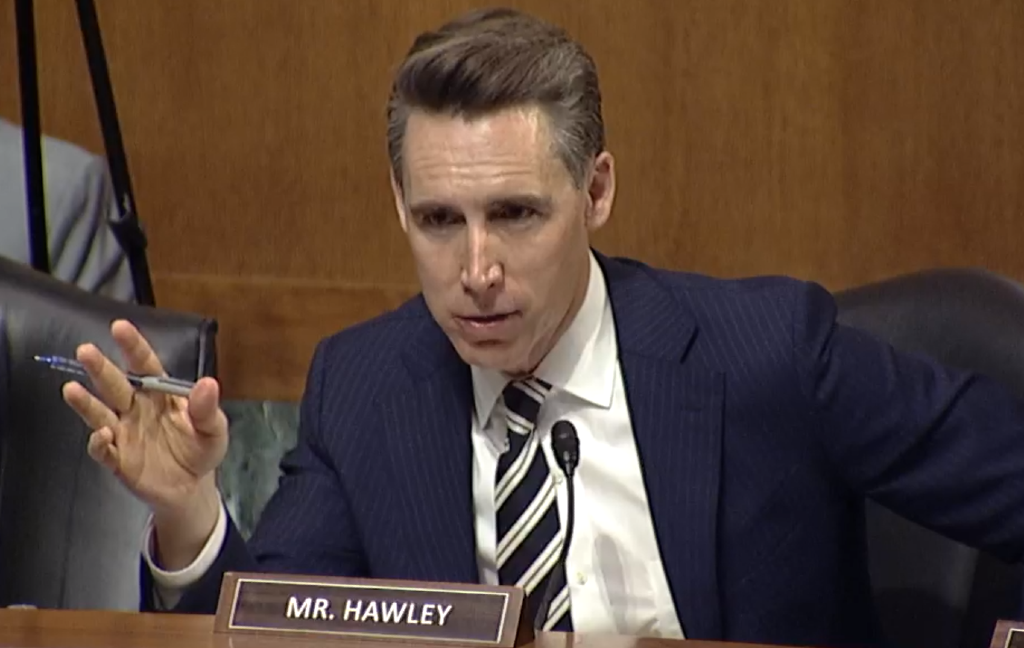
Subcommittee Chair Josh Hawley, R-Mo., took an aggressive stance against the industry, presenting posterboard printouts of quotes from Meta employees acknowledging the illegality of the company’s activities.
Hawley entered a heated parley with the one dissenting witness, Professor Edward Lee from Santa Clara University’s law school, who argued that the use of copyrighted materials to train AI was fair use because of its academic nature and legal precedent. Lee testified that training AI with these copyrighted works will greatly benefit the United States.
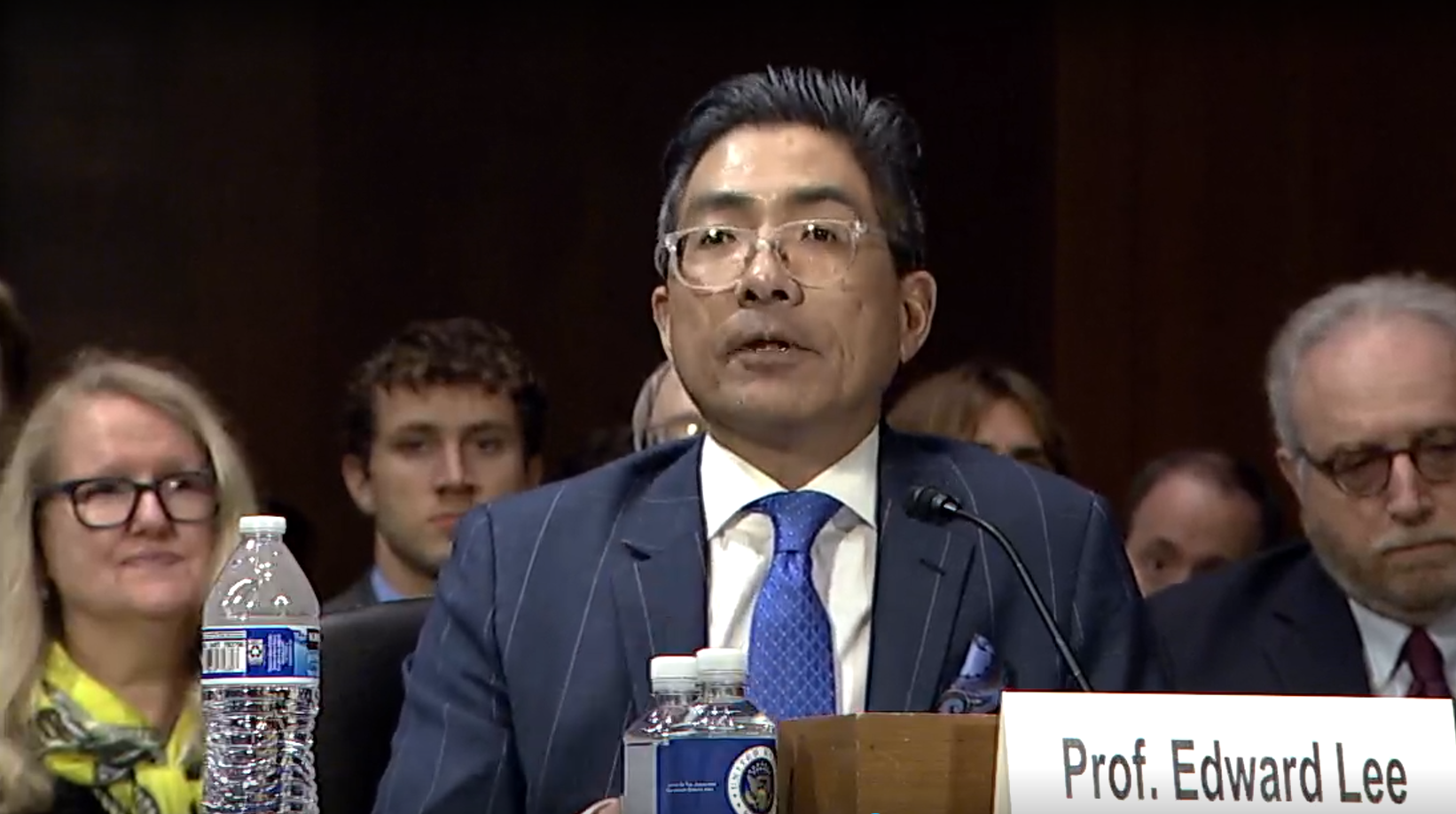
“So… you’re saying that the mass theft and potential impoverishment of American citizens ultimately redowns to the good of America?” Hawley replied, then repeated and rephrased several times as Lee attempted to clarify his point, which was that he wants to strike the right balance between protecting authors and fostering innovation.
While Lee maintained that fair use laws extended to AI training, Pritt argued that the companies knew they were violating copyright law and made no serious attempt to comply with fair use standards.
Pritt testified that Meta used Amazon Web Services to obscure its access to piracy websites, and claimed that CEO Mark Zuckerberg personally approved the activity, an action Pritt said amounted to criminal conduct.
Among the witnesses siding with Hawley were attorney and bestselling author David Baldacci, who defended his novels from what he said was plagiarism.
He opened with an anecdote of his son asking ChatGPT to generate a plot that read like a David Baldacci novel and it quickly spat out pages containing elements of “pretty much every book I’d ever written… I truly felt like someone had backed up a truck to my imagination and stolen everything I’d ever created,” Baldacci testified.
Baldacci rejected the argument that AI learning from books was the same as aspiring authors reading for inspiration. “What AI does is take what writers produce as an incredibly valuable shortcut. It’s like super fuel to teach software programs what they need to know,” he said.
Professors Michael Smith and Bhamati Viswanathan provided legal and philosophical background for the arguments presented. Viswanathan said that the crime of feeding illegally-obtained works to an AI system was compounded by the original crime of the piracy websites. Smith testified that writers as a whole have suffered financially from AI taking their intellectual property without compensation.



Member discussion