FCC Approves GCI-Quintillion Submarine Cable Deal to Strengthen Alaska Broadband
The deal is expected to support more reliable connectivity and expand broadband capacity across Alaska.


WASHINGTON, Oct. 26, 2026 - The Federal Communications Commission has approved GCI’s acquisition of Quintillion in a $310 million submarine cable deal in Alaska.
The FCC’s approval, with conditions, allows GCI and Quintillion to proceed with the proposed transfer of control of a submarine cable system. Submarine cables are the physical fiber-optic lines that carry most international and interregional internet traffic, making their ownership and operation a consequential issue for network resilience, pricing and service quality.

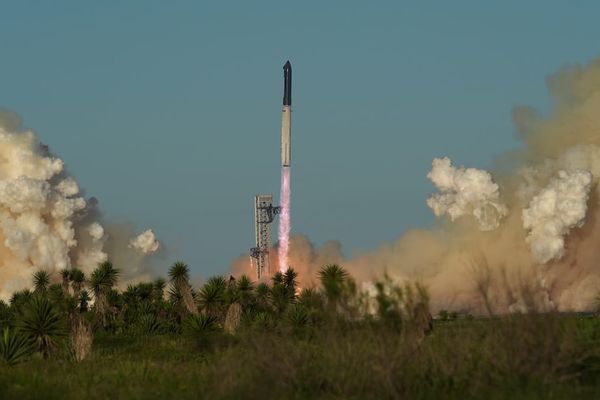
In an order released Oct. 20, the agency denied Alaska Communications Systems’ petition to block the deal, which had raised concerns about anticompetitive harm in the middle-mile transport market and pressure on the Universal Service Fund. FCC International Affairs Chief Thomas Sullivan said Starlink’s growing Low-Earth-Orbit satellite service - and the expected entry of additional competitors - should constrain GCI’s ability to raise prices after the merger. GCI welcomed the decision, calling it an important step toward completing the transaction and building a stronger, more resilient network for Alaskans.
For Alaska, the stakes are especially high. GCI is a major Alaska-based telecommunications provider, while Quintillion operates infrastructure intended to improve high-speed connectivity across parts of the state. A transfer involving their submarine cable assets could affect how communities access broadband, how networks are maintained and how future capacity is expanded.
“We are pleased the FCC has approved the transfer of Quintillion’s cable landing licenses to GCI following its regulatory review. This is an important step to completing the transaction. We look forward to completing it and delivering the benefits of a stronger, more resilient network for Alaskans,” said a GCI spokesperson.
The FCC found that the transaction will serve the public interest despite some competitive concerns. It said those concerns are largely offset by lower costs, the elimination of duplicated markups, and growing competition from low-Earth-orbit satellite providers such as Starlink. The FCC also imposed conditions on GCI’s commitments, allowing the agency to identify and address any anticompetitive conduct.
The agency said the deal should bring faster, more resilient and more reliable terrestrial middle-mile transport to Alaska - infrastructure that has long been a major barrier to dependable broadband in the state. The FCC emphasized Alaska’s unique conditions: a population of about 730,000 spread across the largest U.S. state territorially, with many remote communities inaccessible by road and vulnerable to weather-related outages and lengthy repair delays.