FCC Bolsters World Cup Communications
The U.S. telecom regulator is securing communications networks supporting the year’s largest sporting event.

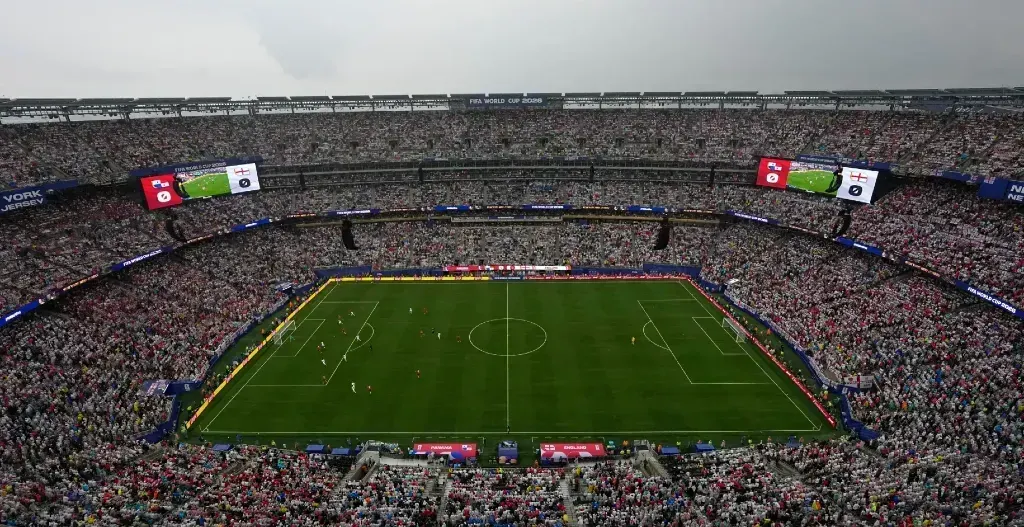
WASHINGTON, July 14, 2026 – As millions of fans converged on the 2026 FIFA World Cup, the Federal Communications Commission worked to protect critical communications.
FCC officials said Monday the agency was deploying new sensors to detect wireless interference threats at tournament venues, helping the agency respond quickly if unauthorized transmissions disrupt public safety communications.

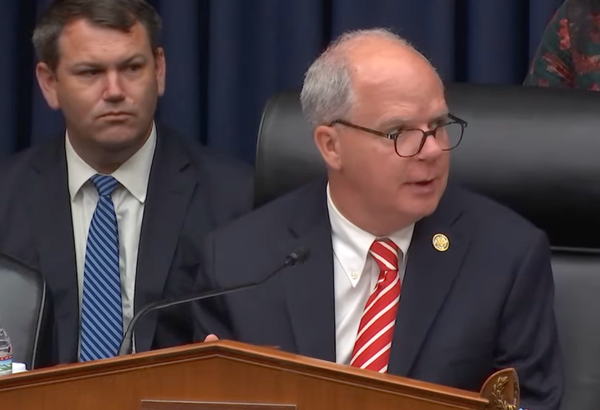
“If anyone or anything messes with public safety communications in or around any World Cup matches, we will know about it and work to fix it quickly,” the FCC’s Public Safety and Homeland Security Bureau Chief Zenji Nakazawa and Enforcement Bureau Chief Patrick Webre said, in a statement.
This year’s World Cup series began June 11. It will conclude July 19 with the championship game in New Jersey outside Manhattan.
The FCC pointed to previous experience, including the 2023 Super Bowl, when an illegal transmission disrupted the radio communications of police and fire officials across a 400 square mile area, just three days before kickoff.
The FCC’s detection equipment identified and resolved the problem in two hours, according to officials. At another Super Bowl, the FCC team identified public safety dead spots inadvertently caused by broadcasting equipment used during the halftime show and helped to develop a work-around.
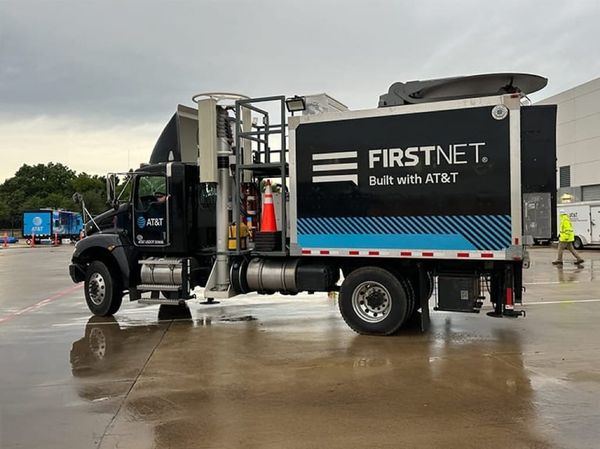
Beyond interference monitoring, the FCC is also working with wireless carriers, broadcasters and other industry stakeholders to support high-capacity connectivity around World Cup venues.
In a June 11 announcement marking the start of matches, FCC Chairman Brendan Carr said its World Cup preparations have focused on several areas, including coordinating with federal partners to counter drone operations.
In 2020, the FBI reported intercepting 53 unauthorized drones near the Super Bowl venue in Miami. The FCC collaborates with federal, state, and local agencies to facilitate protective counter-drone measures while ensuring these actions do not interfere with authorized broadcast, public safety drone activities, or essential communication services.
Other priorities include supporting broadcasters with temporary spectrum authorizations and working with wireless providers to manage increased demand for 5G connectivity around venues.