
FCC Draft Order Would Set Deadline for Large Pole Attachment Requests
The draft would also set a deadline for utilities to respond to ISP requests to approve new contractors.

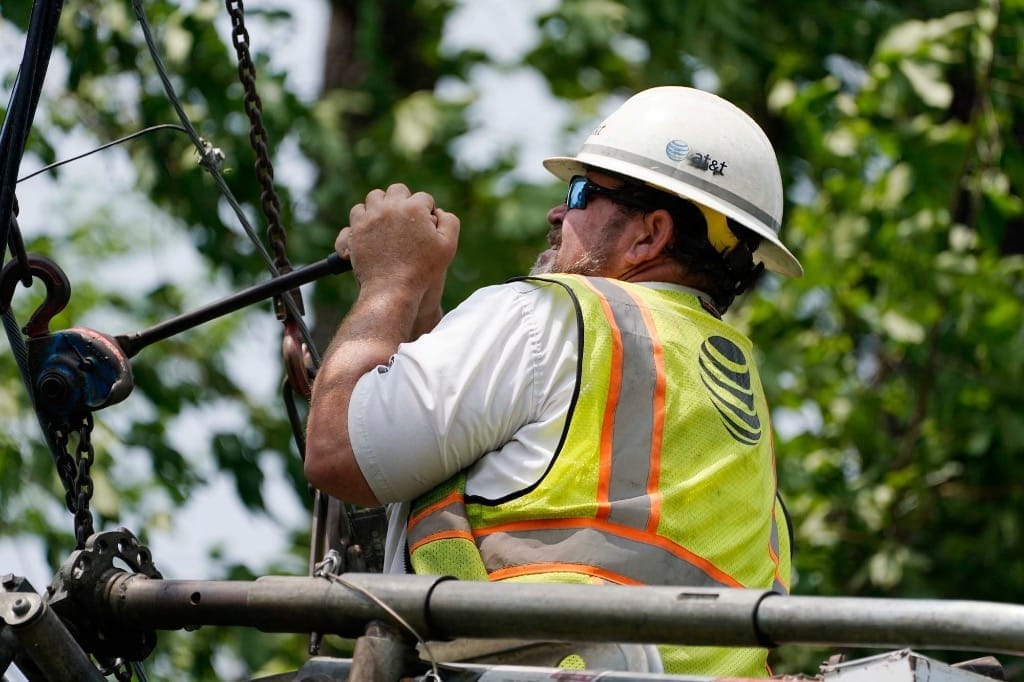
WASHINGTON, July 8, 2025 – Federal regulators are planning to remove what broadband providers say is a barrier to deployment, largely taking the industry’s side in an ongoing dispute with utility companies.
The public draft of a Federal Communications Commission order would institute a defined timeline for utilities to prepare large batches of poles – between 3,000 and 6,000 – for ISP equipment. The agency is set to vote on the item at its July 24, 2025 meeting.
The draft order would provide for those orders a 120-day window for prep work in poles’ communications space – where cable and fiber are hung. The deadline would be longer for work above that, in the more dangerous areas where electrical equipment sits.

FROM SPEEDING BEAD SUMMIT
Panel 1: How Are States Thinking About Reasonable Costs Now?
Panel 2: Finding the State Versus Federal Balance in BEAD
Panel 3: Reacting to the New BEAD NOFO Guidance
Panel 4: Building, Maintaining and Adopting Digital Workforce Skills
That would replace the current system in which ISPs and utilities must negotiate deadlines for large orders on their own.
The cable industry has been pushing for a change along these lines for years, arguing to the FCC that ISPs face deployment delays because utilities negotiate longer than necessary deadlines. Broadband ISPs generally have long made similar arguments to the FCC, saying utilities hold up projects at several stages of the pole attachment process
Utilities have fought the change, saying large orders are too complicated and resource-intensive for blanket deadlines. They also argue that a shortage of qualified contractors is the biggest factor slowing down pole attachment requests, rather than intentional delays on their part.
The FCC can set the terms of pole attachment deals between investor-owned utility companies and telecommunications providers, which include some but not all ISPs. That authority is preempted by state laws in 23 states and D.C., but it’s significant enough for pole owners and attachers to consistently bring disputes about replacement cost allocation and other issues to the agency.
Last year under then-Chairwoman Jessica Rosenworcel, the agency proposed the 120-day window for large orders and sought additional comment on the idea. The FCC at that point also set up a dedicated team that works to resolve pole attachment disputes quicker than the formal complaint process.
The draft order notes that utilities and ISPs can still negotiate alternative timelines if the utility can show “good and sufficient cause” to do so, but declined a request by USTelecom to go into more detail about when that’s acceptable. USTelecom counts major national broadband providers and pole owners among its members.
The agency would also require attachers to notify utilities 60 days before submitting an application for more than 300 poles, else they would forfeit rights to the FCC-defined timelines. Attachers would also have to talk in person, online, or via phone with utilities about their coming application within 30 days of giving the advance notice.
The draft said that would be an attempt to ease the burden on utilities and address a long-running complaint of theirs about the pole attachment process generally.
“While our overall approach provides for shorter timelines than utilities might otherwise prefer, the advance notice and meet-and-confer requirements that we adopt today should obviate any attendant concerns and help both sides set more realistic expectations,” the draft order reads.
Contractors
The draft order would also set a 30-day deadline for utilities to respond to ISP requests to add contractors to their approved lists, giving cable another win in a bitter dispute.
Pole owners have to approve the contractors that prepare poles for new communications equipment. When utilities miss their deadlines to prepare poles, or if the work required is minimal, ISPs can handle the work themselves and must choose their contractor from a utility-approved list, or propose another for approval.
Cable has been pushing for a 30-day deadline for those requests for months, claiming utilities sometimes ignore the request altogether. The industry wanted requests to be deemed approved if a utility doesn’t respond within the window, which the draft order would grant.
Utilities have strongly opposed the idea, saying on-boarding a contractor takes months and that bringing them on sooner would be a serious safety risk.
The agency countered in the draft order that approving a new contractor involved confirming they meet minimum FCC standards, not the entire on-boarding process, and noted that the contractor wouldn’t actually be able to start work until they were up to speed. The draft would seek comment on imposing a deadline for finishing that on-boarding, but didn’t propose a specific time frame.





Member discussion