FCC Eyes Stronger Rules to Combat Robocalls
Proposal could expand verification requirements for telecom providers.

WASHINGTON, April 10, 2026 – The Federal Communications Commission is preparing to consider new rules aimed at strengthening protections against illegal robocalls.
The proposal would expand “Know Your Customer,” or KYC, requirements for telecom providers, rules that require companies to collect and verify information about their customers before allowing them to originate calls on their networks.
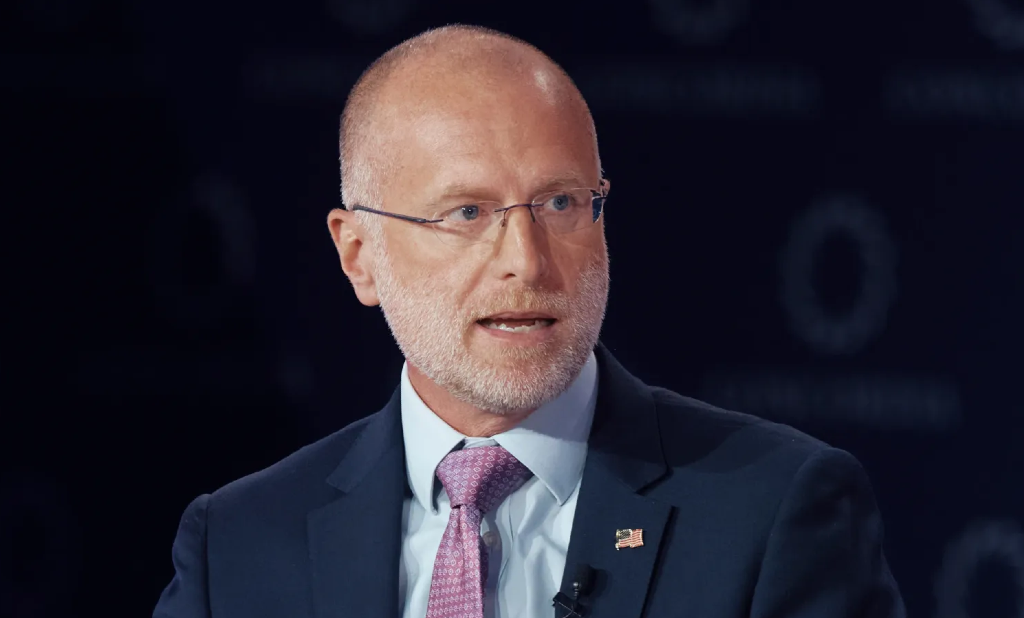
“Cracking down on illegal robocalls will be a top priority at the FCC,” said FCC Chairman Brendan Carr, who described the effort as a way to close gaps that have allowed fraudulent calls to reach consumers.

“Consider it spring cleaning for the phone network,” he added in a recent blog post.
Under the draft proposal, providers may be required to collect minimum customer information before activating service, including a customer’s name, physical address, government-issued identification number and an alternate telephone number.
If approved, the FCC will seek comment on whether providers should go further by verifying, not just collecting, that information through supporting documentation such as government IDs, proof of business registration, or confirmation of a physical address.
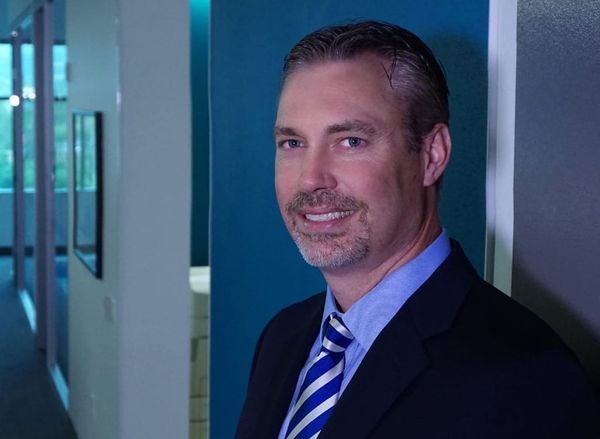
“Providers are required to know their customers and secure their networks to deter fraudulent and malicious calls,” said Patrick Webre, chief of Consumer and Governmental Affairs Bureau at the FCC.
The commission is also weighing whether KYC requirements should vary depending on risk factors, such as the type of customer, whether a service is prepaid or postpaid, and the nature of the traffic being carried.
“We seek comment on these issues and whether they best balance the need for enhanced KYC requirements with the legitimate business requirements of providers, particularly small and rural providers,” the agency said in its notice.
The draft item is scheduled for consideration at the FCC’s open meeting on April 30.
During its meeting that day, the agency will also consider an order to loosen satellite power limits, and a rule to ban electronic device testing in countries without reciprocal testing agreements in the United States.