FCC Not Interested in $57 Million Refund for AT&T
The carriers are trying to recoup $200 million in fines after a June Supreme Court ruling

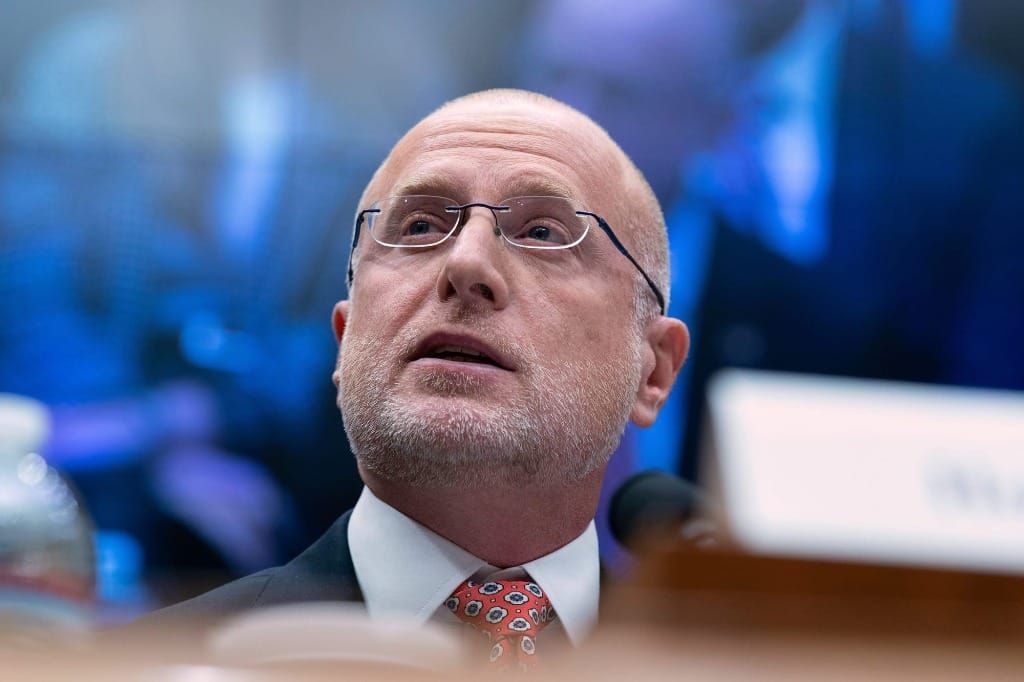
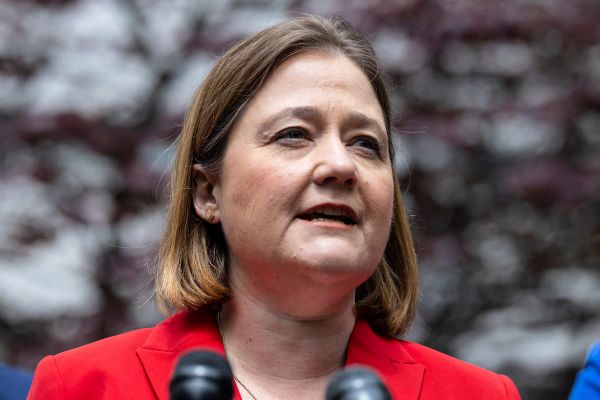
WASHINGTON, Sept. 24, 2026 – The Federal Communications Commission isn’t interested in giving AT&T a refund on a $57 million fine the company paid in 2024.
The company had said a forfeiture order misled it into paying sooner than it had to, but the FCC said in a Wednesday filing that a court couldn’t mandate a refund on those grounds. The agency also defended the fine itself, which its chairman had opposed as a commissioner.
The three national carriers were fined a total of $200 million for, in the FCC’s view, not vetting third parties thoroughly enough before selling them subscriber location data. The carriers say they each stopped the practice by 2019.
The companies appealed up to the Supreme Court, arguing the FCC didn’t have the ability to issue fines at all under recent precedent involving the Securities and Exchange Commission.
Justices disagreed, but said the agency’s forfeiture orders were nonbinding until the Justice Department sued to collect on them. Experts have said it’s still unclear how often companies will refuse to pay fines in practice.
AT&T told the U.S. Court of Appeals for the Fifth Circuit last month that that wasn’t the common understanding of FCC fines, and that it was misled into thinking it had to pay.
“The Order did not compel AT&T to make immediate payment, but instead offered it a choice between paying the forfeiture or awaiting a district court enforcement action,” FCC attorney Scott Noveck said in a Wednesday filing. “That AT&T claims to have misread the Order does not mean that the government misled it, nor does it entitle AT&T to relief against the government.”
He added that the law “does permit a court to directly order the government to make any monetary payment to AT&T” if the order itself wasn’t vacated.
The FCC has issued fines since the Supreme Court’s decision came down in June, and it has not altered its ordering clauses from the language AT&T said was misleading.
Verizon and T-Mobile have also sought refunds in court. They both asked the Supreme Court to send their cases back down so they would have the chance to argue for one (AT&T’s was sent back automatically because justices reversed its appellate win, unlike the other two carriers).
Justices declined Verizon’s request last month — asked at the time if it felt it had other avenues to pursue a refund, Verizon declined to comment — and T-Mobile’s is still pending.
The companies’ attorney, former Acting Solicitor General Jeff Wall, said they should get a refund during oral arguments, but Chief Justice John Roberts didn’t grant one.
“The carriers also argue that the specific forfeiture orders in this case misled them into paying, and that a refund is therefore appropriate,” he wrote. “We express no view on the merits of this argument, what relief may be available to the carriers, or in what proceeding.”
T-Mobile also asked the high court to rule on whether parts of the specific fines at issue were valid, since justice only ruled on whether the FCC could issue fines. CTIA, the major wireless industry group, supported T-Mobile’s request.
Fine calculation, location data protections
AT&T also asked the Fifth Circuit to overturn the order for two reasons unrelated to the FCC’s general fining powers. The company said the amount was excessively high, and that the location data isn’t protected by the Communications Act.
FCC Chairman Brendan Carr, a commissioner at the time, dissented from the fines. Like AT&T, he said the FCC didn’t have authority over location data that wasn’t related to a customer using telecom voice service and called the fine totals “eye-popping.”
“These actions are inconsistent with the law and basic fairness,” he said of the penalties.
But the agency defended the fines Wednesday.
AT&T had said fines should effectively be capped at $2 million under the Communications Act, and that the FCC got around that by arbitrarily finding additional infractions when it wanted to go higher.
Noveck said in the agency’s filing that it was reasonable to find AT&T had broken FCC rules on protecting data 84 times, one for each third-party relationship it maintained after the New York Times reported unauthorized access to the data being sold.
“If AT&T had its way, carriers would be free to maintain that they had a single ‘systemic’ unreasonable practice that they simply applied in numerous instances, and could thereby be insulated from anything more than a single capped penalty,” he wrote.
The agency also defended including cell phone location data in the category of protected consumer proprietary network information (CPNI). Noveck said that even location data from non-telecom data services was provided to AT&T by virtue of its status as both voice and data provider, and thus it was connected to the provision of telecom service.
“Then-Commissioner Carr, who is now the FCC Chairman, dissented from the Order because, as he then read the statute, he did not believe the location information at issue to be CPNI covered by Section 222,” Noveck wrote. “At that time, no court had yet spoken to this issue. Since then, however, two federal courts of appeals have authoritatively construed the statute to apply here.”