FCC Opens Comment on Challenge to Prison Phone Rate Cap Delay

Public interest groups say the Bureau’s delay violates federal law.

FCC Opens Comment on Challenge to Prison Phone Rate Cap Delay
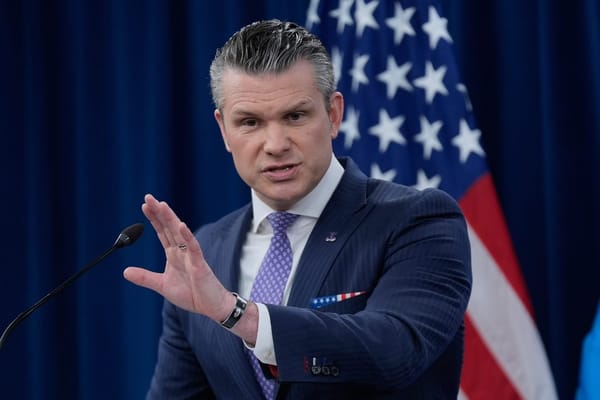
Photo of Joseph Calascione, Chief of the FCC’s Wireline Competition Bureau, who signed the June 30 order delaying compliance with prison phone rate caps and related reforms until 2027.

WASHINGTON, August 12, 2025 – The Federal Communications Commission has opened public comment on a challenge to a bureau-level decision delaying caps on prison phone rates until 2027. 

The challenge, filed July 30 by a coalition of prison and communications advocacy groups, argued the FCC’s Wireline Competition Bureau violated federal law by delaying rate caps Congress required under the 2023 Martha Wright-Reed Act.

In a public notice released Monday, the Bureau said oppositions to the public interest groups’ challenge were due August 29, with replies due September 15.

Enacted in 2023, the Martha Wright-Reed Act directed the FCC to finalize rules establishing “just and reasonable” prison phone rates by December 2024. Last July, the FCC voted to set audio and video rate caps, scheduled to take effect for all facilities by April 1, 2025.

However, on June 30 the WCB announced that it would be delaying implementation of the rules until 2027, sparking major backlash from public interest groups, Democratic Commissioner Anna Gomez, as well as thousands of individuals who continue to flood the FCC with comments opposing the delay.

The leading coalition contends the Bureau overstepped its authority by acting on “novel questions of fact, law, or policy” that should have been decided by the full Commission. They argue the Bureau has no power to initiate rulemakings or suspend FCC orders, making its June 30 decision ultra vires — taken without lawful authority.

The formal challenge was filed by the Benton Institute for Broadband & Society, the Criminal Justice Reform Clinic of Lewis & Clark Law School, National Consumer Law Center, Pennsylvania Prison Society, Prison Policy Initiative, Public Knowledge, United Church of Christ Media Justice Ministry, and Worth Rises.

The outcome of this review period could determine whether incarcerated people see relief from high communications costs in the near future or be forced to wait several more years.

In the meantime, at least six states have adopted their own rules to provide low-cost or free communications services for people in prison.

Member discussion

Popular Tags