FCC Proposes More Lifeline Vetting

The agency also moved to expand private broadband use in the lower 900 MHz band.

FCC Proposes More Lifeline Vetting
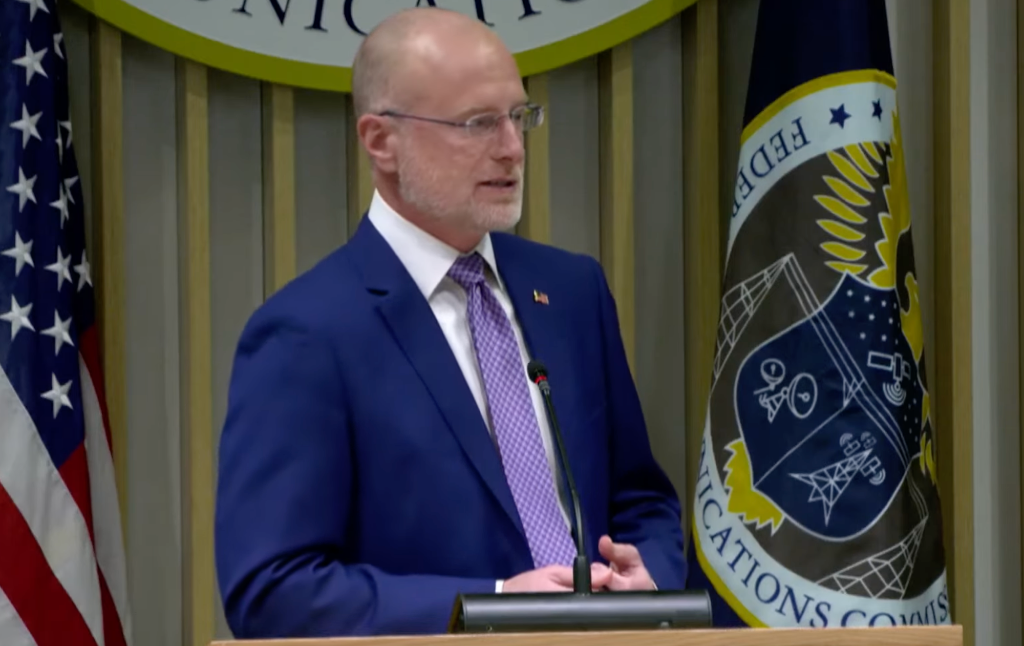
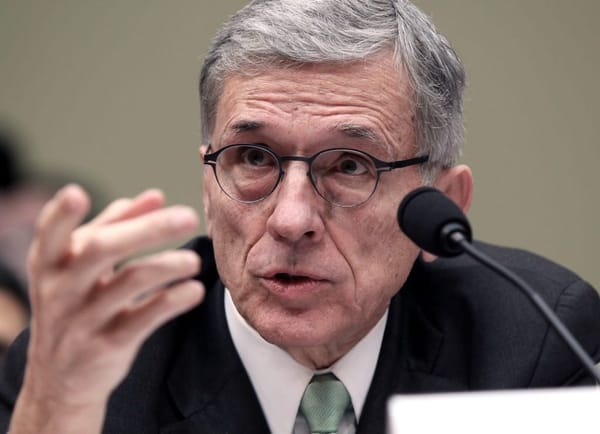
Screenshot of FCC Chirman Brendan Carr at the agency's press conference Wednesday

WASHINGTON, Feb. 18, 2026 – The Federal Communications Commission voted Wednesday to take comment on a proposal to tighten eligibility requirements and root out fraud in its Lifeline program.

FCC Chairman Brendan Carr has been especially vocal about the issue with respect to California. He revoked the state’s ability to use its own verification system for the low-income subsidy in November, and put forward Wednesday’s proposal after an FCC inspector general report found disbursements for deceased Lifeline subscribers in the state, along with Texas and Oregon.

That report found $5 million in payments for about 117,000 dead subscribers over five years, with about 80 percent of those being in California.
Lifeline spends nearly $1 billion annually providing broadband and mobile discounts for low-income households at $9.25 per month, or $34.25 per month on Tribal lands. At the end of June 2025, the program had 8.1 million subscribers, which is down from nearly 8.8 million at the end of 2024 and represents about 21 percent of the eligible households, according to agency data.

“The government should not be spending the money of hardworking Americans to pay for phone and internet service for dead people,” Republican Carr said at the agency’s press conference. “Apparently this is a controversial position, but we’re not going to stop.”

Nearly a dozen consumer advocacy groups, many of which met with FCC staff last week to urge against moving forward with the proposal, issued statements opposing the rulemaking and warning the extra paperwork and requirements would reduce subscribership.

“This is not a war on poverty, it’s a war on the poor,” Democratic FCC Commissioner Anna Gomez said. “The inspector general’s findings regarding Lifeline integrity focused overwhelmingly on administrative deficiencies and provider and agency misconduct, not on subscriber eligibility.”

Gomez said she concurred in part with the item to the extent it asked questions about those issues, but otherwise dissented. She said she was able to secure some edits to the public draft but was not able to get added a question on whether to increase Lifeline’s support amount, which advocates say is too low.

Asked at the press conference about raising Lifeline support, Carr said that “step one has to be to get some of the fundamental waste, fraud, and abuse out of the system, and that’s where our focus is at this point.”

The proposal will seek comment on collecting subscribers’ full nine-digit social security numbers and using a Department of Homeland Security database to verify citizenship information, among other things. 

The FCC initiated investigations into “an initial group” of providers collecting Lifeline support for deceased subscribers on Tuesday. Carr said the 117,000 subscribers identified in the inspector general report were each in the process of being de-enrolled.

900 MHz

The three FCC commissioners unanimously adopted the other items they considered Wednesday, including an order that will open up more of the 900 MegaHertz (MHz) band for private broadband networks.

The band covers 869-901 MHz and 935-940 MHz, for a total of 10 megahertz. Currently 6 megahertz are available for broadband and are largely used by utility and infrastructure companies.

“The record in this proceeding makes clear that utilities and critical infrastructure providers need additional spectrum and broadband access to expand current upgrades, harness emerging technologies, and support future applications,” Republican FCC Commissioner Olivia Trusty said.

The order would allow companies to use the airwaves for their private networks after reaching deals with non-broadband incumbents on a county-by-county basis. Wireless Telecommunications Bureau Chief Joel Tautenblatt said at the press conference that the adopted item included changes from the public draft only with respect to the agency’s expectation for coexistence between new broadband licensees and adjacent bands.

IP transition

The FCC also adopted a proposal that would seek comment on how best to phase out certain intercarrier compensation rules, part of its effort to incentivize the transition to internet protocol networks from legacy technology.

Carr said the agency could initiate more IP transition rulemakings.

“To do the IP transition right, you’ve got to do probably 30-plus things right,” he said. “We’ve probably got underway the vast majority of what we need to do in terms of proceedings, but there still may be another couple of ones where we need to complete the transition in an individual area.”

Member discussion

Popular Tags