
FCC Stops E-Rate Funding for Off-Campus Wi-Fi
The agency also voted to seek comment on local permitting rules it should consider preempting.

Jake Neenan
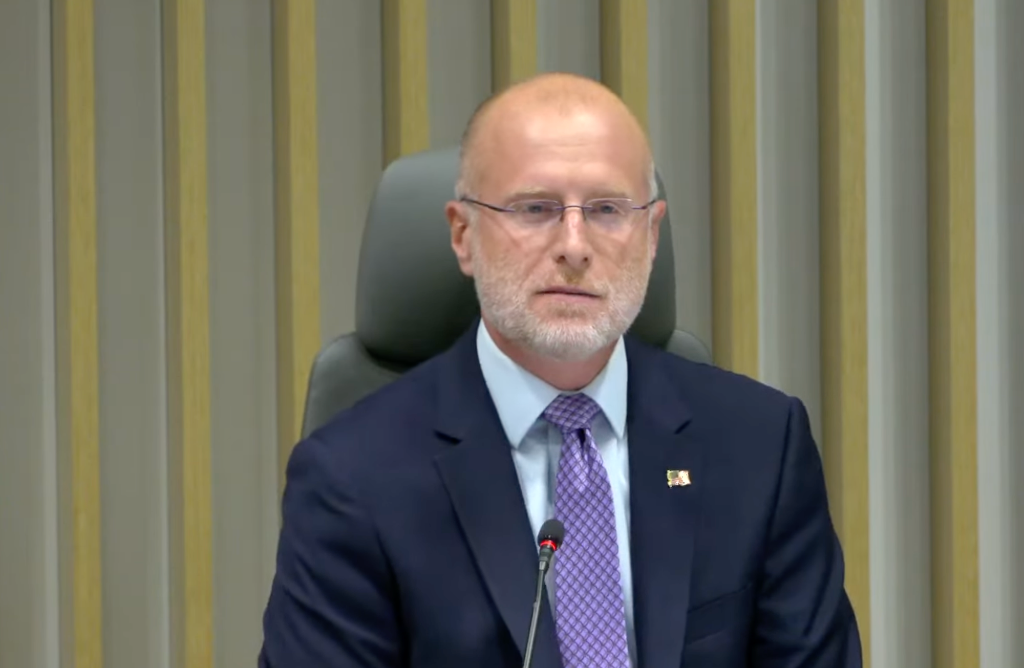
WASHINGTON, Sept. 30, 2025 – The Federal Communications voted Tuesday to end subsidy support for off-campus Wi-Fi. The agency said it would deny pending requests for funding for those services.
The Republican-controlled FCC rescinded on party lines two previous decisions: a 2023 ruling that expanded the agency’s E-Rate program to support Wi-Fi on school buses, and a 2024 order that extended funding eligibility to Wi-Fi hotspots that library patrons or students could use off-campus.
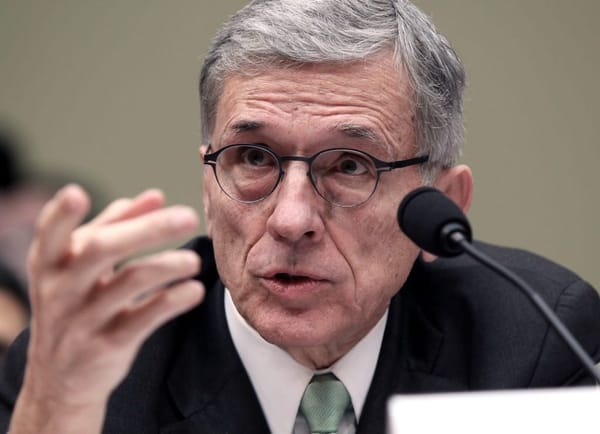
“E-Rate funding is meant to enhance access to telecommunications services in classrooms and libraries. A school bus is neither,” FCC Chairman Brendan Carr said. “We cannot simply reinterpret the statutory term ‘classrooms’ to mean any place where learning might occur.”
The agency’s E-Rate program spends roughly $2 billion annually providing internet and phone discounts to schools and libraries. The program had committed about $48 million to school bus Wi-Fi last year and has pending applications from more than 8,000 entities for about 200,000 off-campus hotspots, according to tallies from the Schools, Healthcare, and Libraries Broadband Coalition.
The pending applications for funding for either service, submitted earlier this year, will be denied, agency staff said. Organizations representing E-Rate participants had urged the agency not to make all of the pending applications ineligible, arguing schools and libraries had likely already entered into contracts under the impression that school bus Wi-Fi and hotspots were allowable expenses.
Those organizations were not pleased with the decisions.
“Ending these programs takes away proven, cost-effective solutions that close the Homework Gap, particularly for low-income and rural students,” Joey Wender, SHLB’s executive director, said in a statement. “Students who rely on long bus rides to complete assignments and library patrons who depend on hotspots for work, education, or telehealth will suddenly lose access to essential tools. This decision is a step backward.”
The statement was joined by the American Library Association, the School Superintendents Association, and other advocacy groups.
A group of 47 Congressional Democrats had sent Carr a letter Monday defending the programs and urging him to take the items repealing them off the meeting agenda. The E-Rate items were late additions to the agenda and drafts weren’t posted publicly, something the lawmakers and Democratic FCC Commissioner Anna Gomez took issue with.
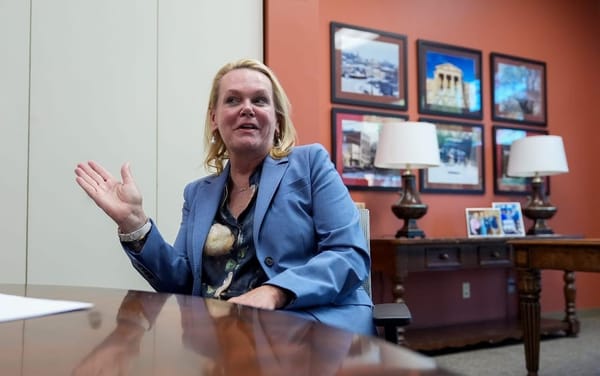
“Decisions of this magnitude, decisions that take resources away from people across the country, should never be made behind closed doors,” she said at the agency’s meeting Tuesday.
At a press conference after the meeting, Carr said the agency’s Sept. 3 announcement that his office was circulating the items gave stakeholders a good idea of what the agency would be doing. He said the agency moved when it did to provide clarity for participants’ budgeting purposes.
A commissioner at the time, Carr had dissented from both decisions he moved to repeal Tuesday. He and other Republicans have argued the Communications Act doesn’t allow E-Rate funding for connectivity outside of school and libraries.
Republican FCC Commissioner Olivia Trusty acknowledged the concerns of those who supported the off-campus Wi-Fi programs, but said she agreed they weren’t allowed under the law. She also noted the programs were mentioned in a Supreme Court dissent this summer, in which a minority of justices argued for eliminating E-Rate and the program that supports it altogether.
Justices argued the programs were examples of the Telecom Act giving the FCC limitless authority to expand its programs and collect fees from voice providers. Trusty said ending them would make it harder for opponents of the fund to take up the dissent’s arguments in a future lawsuit.
State and local preemption
The agency unanimously adopted two items seeking input on state and local regulations the agency could consider nullifying. The FCC can preempt state and local rules if they effectively block the deployment of telecom services.
The first item was a notice of inquiry seeking input on delays and fees wireline providers encounter, and whether those ultimately rise to the level of something the FCC could move to axe.
The second was a notice of proposed rulemaking seeking comment on whether the FCC should extend its permitting shot clocks and application fee caps for small cell wireless deployments to cell towers and other infrastructure. The item sought comment on preempting new kinds of fees and permitting practices.
The agency will also ask if it should set up an accelerated process for dealing with local permitting disputes. Trade groups have gone to the agency in recent months complaining of project delays from local permitting processes, to which some local governments have responded that telecom providers are levying vague accusations in an effort to get more local rules preempted.
The FCC last month opened a docket on speeding up its own environmental and historical permitting process.
Prison jamming, delete docket
The agency also voted unanimously to propose allowing state prisons to jam contraband cell phones. Gomez said the adopted item included some edits from the public draft that she pushed for, including questions on creating pilot programs and soliciting complaints if devices outside prisons are unintentionally jammed.
Commissioners voted along party lines to delete about 380 rules related to wireline infrastructure. Gomez dissented, saying some substantive rules related to accessibility issues were being deleted.
The rules will be eliminated with the agency’s new direct final rule process. That means it won’t go through the notice and comment process and the rules at issue will be repealed if no “significant negative comments” are received in 20 days.
Carr said the agency would eventually start cutting “more substantive” rules, rather than focusing on old and unused rules as it has been.
Broadcast ownership
The FCC voted to move forward with a review of its broadcast ownership rules, as it is required to do every four years. The item will, among other things, ask if agency policy preventing a merger between any of the four major broadcast networks is still necessary.



Member discussion