
FCC to Propose Making March Copper Waivers Permanent
The agency will also vote on a measure eliminating regulations without a notice and comment process.

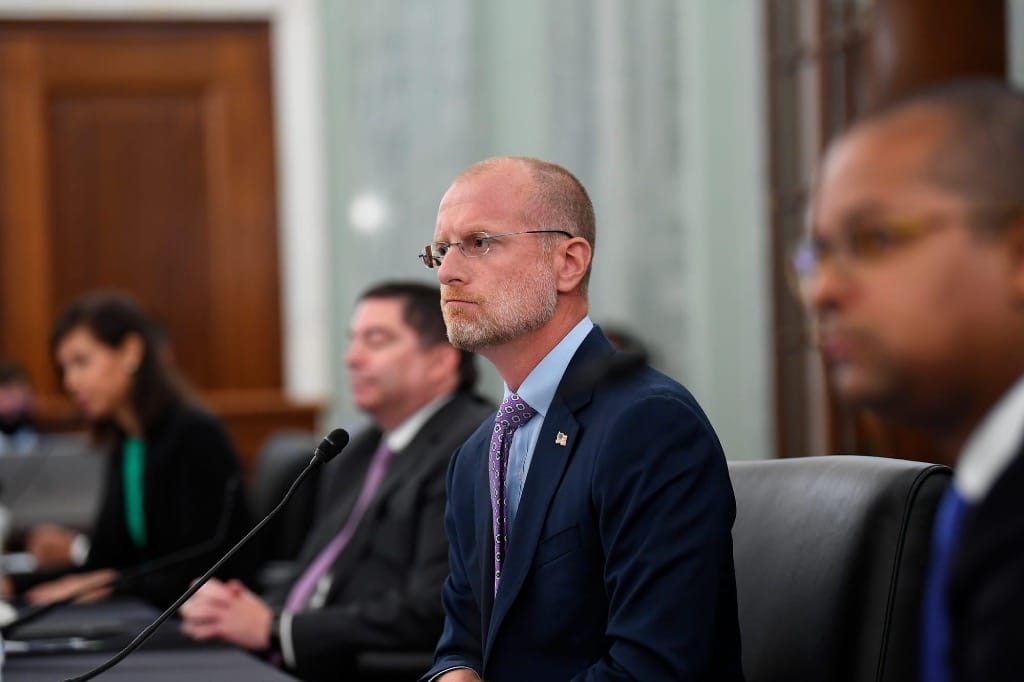
WASHINGTON, July 8, 2025 – Federal regulators are looking to make it easier for telecom companies to rip up their old copper lines, something the industry has been pursuing as maintenance costs rise and customer interest declines.
The Federal Communications Commission is aiming to propose making permanent many recent temporary changes to its copper retirement rules, plus new rule changes aimed at easing the process for ISPs.
Copper is expensive to maintain and no longer offers competitive broadband speeds, so providers have been eager to rip up their aging infrastructure as quickly as possible. FCC Chairman Brendan Carr has said it's a goal of his to facilitate the process.

FROM SPEEDING BEAD SUMMIT
Panel 1: How Are States Thinking About Reasonable Costs Now?
Panel 2: Finding the State Versus Federal Balance in BEAD
Panel 3: Reacting to the New BEAD NOFO Guidance
Panel 4: Building, Maintaining and Adopting Digital Workforce Skills
“Our goal can be stated simply: We are aiming to free up billions of dollars for new networks, instead of forcing providers to keep investing in old ones,” he said in a speech in South Dakota Wednesday.
A public draft of the document would propose eliminating the agency’s filing requirements for network changes, including copper retirement, and eliminating filing requirements for grandfathering legacy services, both of which the FCC did on a temporary basis in March.
The draft would also seek comment on scrapping current rules around replacement services – copper telecom lines typically can’t be decommissioned quickly unless an adequate alternative service is present in the area, either from the decommissioning ISP or someone else – and replacing them with an easier to satisfy standard, among other things.
The agency is set to vote on the item at its July 24 meeting, its second with a Republican majority in the Trump administration.
AT&T has been making a push to rip up by the end of 2029 its remaining copper outside of California. The company has said it secured favorable conditions with other state legislators and utility regulators, but California’s carrier of last resort rules make it harder to decommission there.
The carrier and other telecom companies and trade groups are still pushing the state to update its rules as part of an ongoing rulemaking.
AT&T filed applications earlier this year to grandfather legacy services across about 25 percent of its copper wire centers. The Communications Workers of America opposed the applications, saying the carrier would be stranding some rural customers that won’t get fiber. The company is planning to build fiber to 50 percent of its geographic copper footprint, which it says covers about 90 percent of the footprint’s population.
The agency is also aiming to scrap 18 other rules without a notice and comment process. It would be an implementation of an executive order from President Donald Trump directing agencies to ax regulations using a formerly narrow exemption in the Administrative Procedure Act.
The targeted rules relate to telegraphs, phone booths, and other rules “identified as outdated and obsolete,” according to the agency.
The draft order would provide 10 days for parties to offer feedback on the rule deletions and clarify that bureaus and offices can use the same process for eliminating rules.








Member discussion