
FCC to Vote on Relaxing LEO Satellite Power Limits
SpaceX has asked for the change, which incumbent geostationary operators oppose.

WASHINGTON, April 8, 2026 – SpaceX appears poised to win a regulatory battle at the Federal Communications Commission.
The agency will vote on an order that will alter satellite spectrum sharing rules to benefit low-Earth orbit providers, the agency announced Wednesday. It’s something SpaceX has asked for.
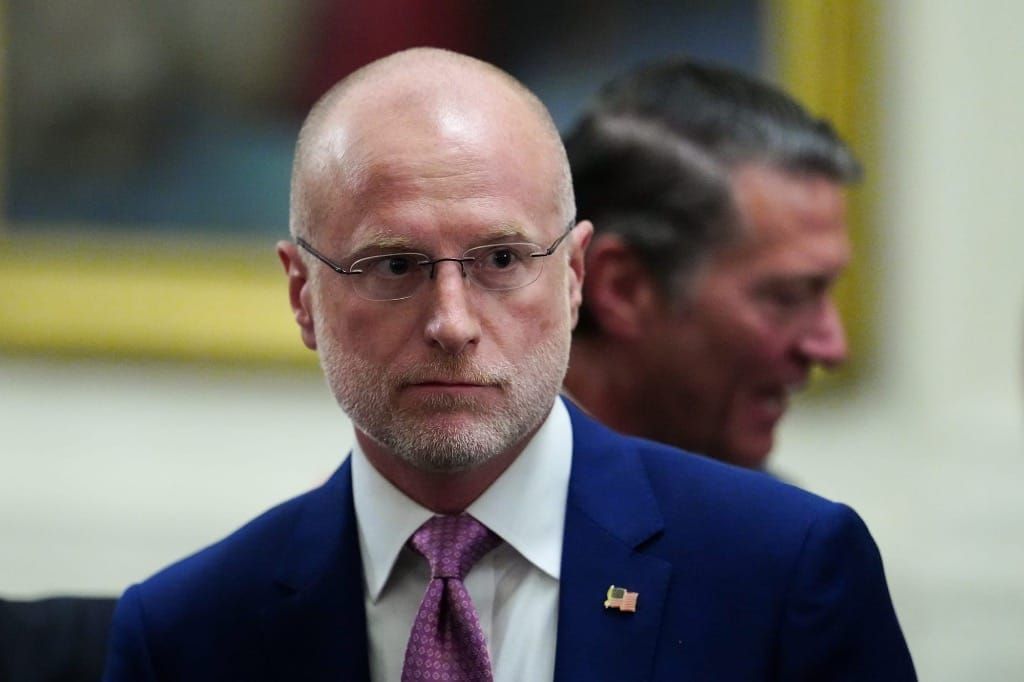
“By discarding last century’s satellite regulations, we could see billions of dollars in benefits for the American economy and broadband speeds many times faster than what is available today,” FCC Chairman Brendan Carr said in a statement. “This overdue rethinking of space spectrum sharing rules will bring greater competition to the broadband marketplace and reduce the number of satellites needed to serve a given area.”
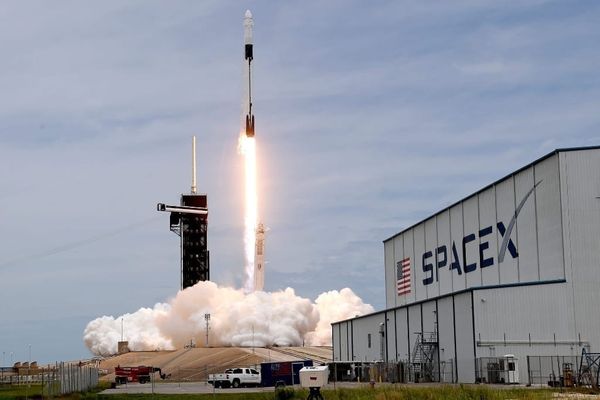
The order would raise power levels LEO operators are allowed to use in bands shared with incumbent geostationary orbit (GSO) systems. SpaceX, which dominates the satellite broadband market, has told the FCC that doing so would dramatically improve its satellite broadband service.
GSO companies like Viasat, SES, and DIRECTV don’t like the idea. They fear SpaceX’s Starlink system, already more than 10,000 satellites, jacking up the power would create interference with their constellations.
The FCC’s docket on the issue has received continuous input since the agency sought comment on the issue in April 2025.
In a filing posted Wednesday, DIRECTV told the agency SpaceX’s interference studies have “significant unresolved questions.” Viasat and SES have raised similar concerns.
“While SpaceX is free to ignore these matters, the Commission should not and should address the unresolved concerns raised by DIRECTV and other parties as part of any final decision in this proceeding,” the company wrote.
SpaceX has maintained the situation is straightforward: current power levels constrain LEO operators more than is necessary to protect GSOs, and increasing them would improve rural brooadband without harming incumbents.
“The question of whether the [equivalent power flux density] framework harms consumers by unnecessarily constraining [LEO] services has been definitively resolved: it does,” SpaceX wrote last month. The fact that LEO operators are growing “highlights how poorly served the public is by a sharing framework that overprotects outdated GSO systems while relegating people that need the superior service provided by next generation systems to second-class status.”
The FCC was apparently convinced. The agency said in its release that “government-imposed overprotection of GSO systems has meant that American households and businesses – most critically in rural and remote areas – do not receive the fastest space-based broadband American innovation has available.”
A public draft of the item would be available Thursday, the agency said.
International power limits were put in place in the 1990s and were aimed at protecting GSO systems from interference. The FCC’s move would only apply to the U.S.
There isn’t an agenda item specifically dealing with the power level issue for the next World Radiocommunication Conference in 2027, but experts have said it could still come up.
The bands at issue are the 10.7-12.7 GigaHertz (GHz), 17.3-18.6 GHz, and 19.7-20.2 GHz bands.
Other items
Also on the agenda for the FCC’s April 30 meeting is a proposal to bar from the FCC’s device authorization program labs and certification bodies based in countries that haven’t signed agreements to recognize American labs.
“Today, more than 75% of testing occurs in countries that have refused to commit to reciprocal treatment of U.S.-based labs and certification bodies,” Carr said in a statement. “This month, the FCC will begin the process to end this unfair system.”
The agency said in a release that it would vote on a faster approval process for wireless devices tested in U.S. labs before the ban went into effect.
Other items the FCC will consider include seeking comment on stronger customer verification standards to combat robocalls, a proposal to further exclude companies considered national security threats from telecom networks, and a new bidding portal for its E-Rate program. E-Rate subsidizes telecom and broadband services for schools and libraries.



Member discussion