
FCC's Carr Ready to Move Ahead on NextGen TV, Details to Follow
NAB in February submitted a plan to wrap up ATSC 3.0 by early 2030 that faced resistance from the Consumer Technology Association and MVPDs like DIRECTV.

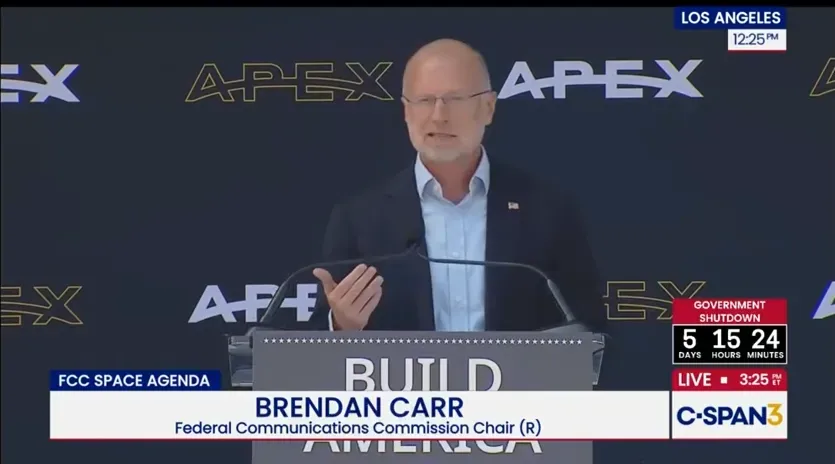
FCC: FCC Chairman Brendan Carr is ready to back TV stations’ next moves to NextGen TV but in a blog email out yesterday ahead of the agency’s Oct. 28 open meeting in Washington, D.C., he did not provide many details. “For television, ATSC 3.0 represents the future of broadcasting, which is how many Americans receive their local news. This month we’ll vote on a notice that would take steps to accelerate the transition to this Next Gen TV standard,” Carr said on the subject and nothing else. NextGen TV is the consumer name for ATSC 3.0, the new over-the-air broadcast standard rolling out in U.S. TV markets.
 Broadband Breakfast
It will replace over time today’s ATSC 1.0 signals and bring broadcasting closer to how the Internet delivers video – IP-based, flexible, and feature-rich. The National Association of Broadcasters in February asked the FCC to bring the transition from ATSC 1.0 to ATSC 3.0 to a close in big markets by early 2028 and the rest of the country by early 2030. NAB’s ask also included a mandate on TV set makers to include ATSC 3.0 tuners – a step strongly opposed by the Consumer Technology Association, led by CEO and Vice Chair Gary Shapiro. Pay-TV operators, including DIRECTV, have warned the FCC that traditional Multichannel Video Programming Distributors (MVPDs) face steep technology costs to switch to ATSC 3.0. Another hot button issue – Digital Rights Management (DRM), which centers on broadcasters’ use of encryption technologies that can restrict viewing and recording for consumers and limit third-party hardware options. (More after paywall.)



Member discussion