
Fixed Wireless Providers Applaud Trump-Era BEAD Changes
Tarana and Nextlink emphasized opportunities they now have to provide fixed wireless connectivity to underserved communities.

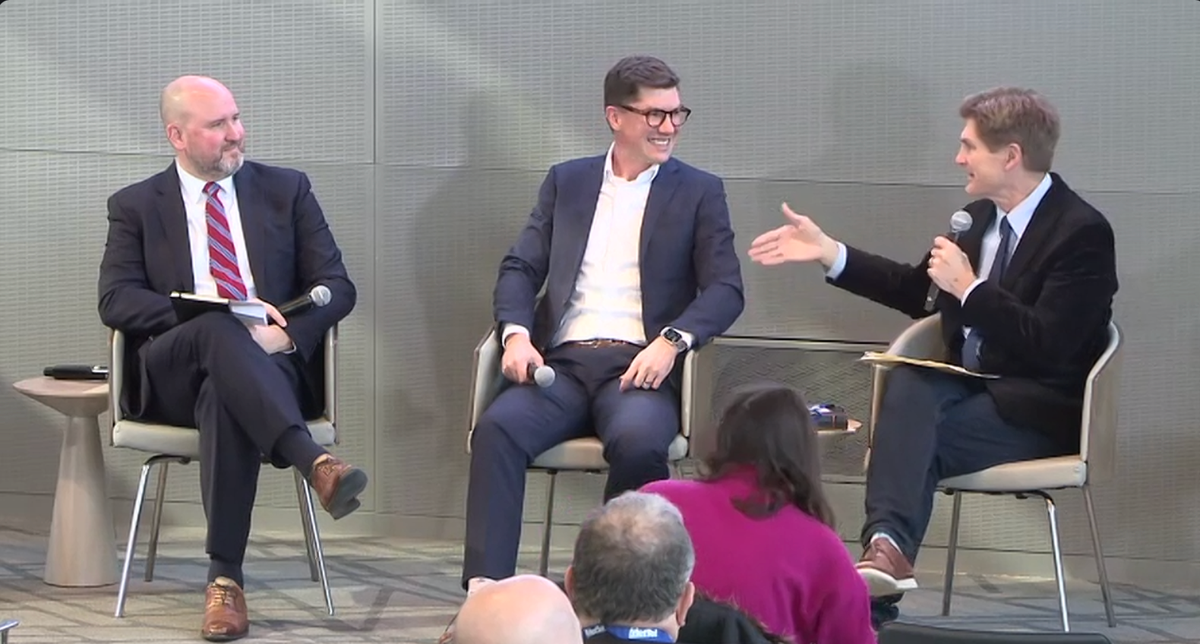
WASHINGTON, Feb. 4, 2026 – Two fixed wireless companies are pleased with the Trump administration’s changes to the federal Broadband Equity, Access and Deployment program, emphasizing the opportunities they now have to provide fixed wireless connectivity to underserved communities.
“There is a revolution going on, and it’s a revolution underscored by the NTIA June 6 document that returned to what we think is critical — have high standards, but don’t pick technology winners and losers,” said Tarana Wireless Vice President of Government Affairs and Policy Carl Guardino, at the INCOMPAS Policy Summit.
Guardino was joined by Nextlink Internet Chief Strategy Officer Claude Aiken, who explained that the technology neutral approach in BEAD, as opposed to a fiber focused approach, allowed funding to support fixed wireless and Americans in rural areas.

Aiken said he was “grateful” to receive BEAD funding in Nextlink’s operations, which he navigated cautiously due to the complexity of the federal program.
Despite doubts of wireless broadband being slower and less reliable than fiber, both Aiken and Guardino pushed back on those claims. Wireless especially serves rural communities where fiber oftentimes doesn’t serve, which is why reliability and affordability are both essential to service. Guardino emphasized that Tarana boasts “99.9 percent reliability on every radio,” providing high-speed connectivity to millions, making a place for wireless as much as there is a place for fiber and satellite broadband.
“What’s the best tool in the toolkit for the job at hand? Whether that’s fiber, a great medium, next generation fixed wireless, or in those hyper remote areas of our country where there can be no terrestrial option, satellite technology,” Guardino said. “By linking those, we’re going to serve every unserved and underserved family and what we also call unhappily served families.”
The panel also discussed permitting as a hidden BEAD bottleneck, placing a substantial barrier between providers and families needing broadband.
Aiken said permitting places both a financial and opportunity cost for serving people, especially as Nextlink accounts for varying restrictions and requirements for different states. According to Aiken, some projects to install one radio on a tower has led to a non-refundable deposit of $8,500, 40-page application and six to nine month timeline, marking a harmful impact, especially in rural areas that have a limited subscriber base.
Aiken was encouraged by efforts in Congress and the Federal Communications Commission regarding permitting, with faster timelines for providers to serve communities.
“2026 is going to be exciting here for those of us that have long been committed to bridging the digital divide and the rollout of those funds can't happen sooner than that,” Guardino said.
Broadband Breakfast will also be covering remarks by individual members of Congress in the Broadband Community Discussion Forum, from the INCOMPAS Policy Summit. (Free signup required.)



Member discussion