Former FirstNet Authority Board Chairs Don’t Want Changes with Reauthorization
Disagreement on FirstNet’s future is brewing ahead of a Senate hearing next week.

Jake Neenan
WASHINGTON, Jan. 22, 2026 – Former heads of the FirstNet Authority’s board are urging current members to oppose potential changes to the agency’s structure as the deadline for Congressional reauthorization approaches.
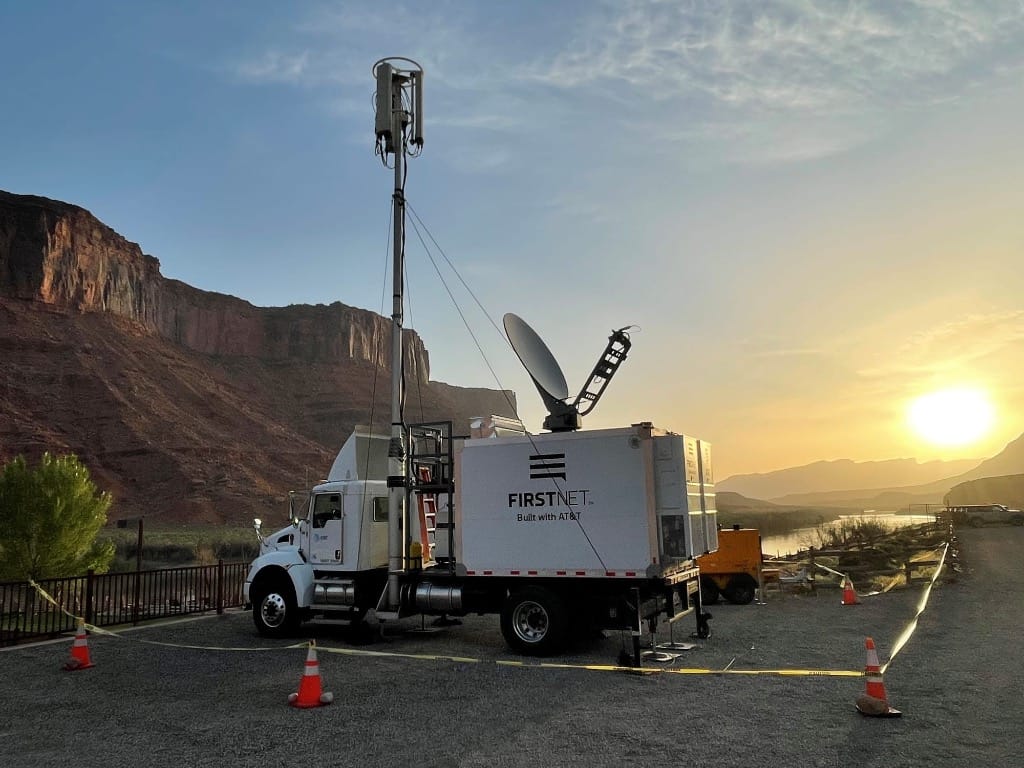
The FirstNet Authority oversees FirstNet, the nationwide first responder network operated by AT&T. If lawmakers don’t reauthorize the agency, it will sunset at the end of 2027, something the Government Accountability Office and others have said would be disruptive for public safety agencies.
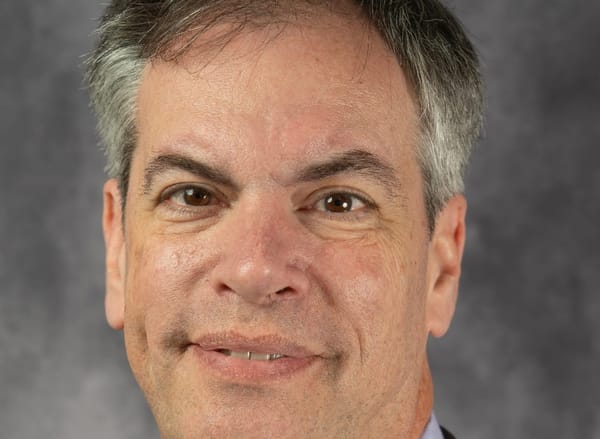
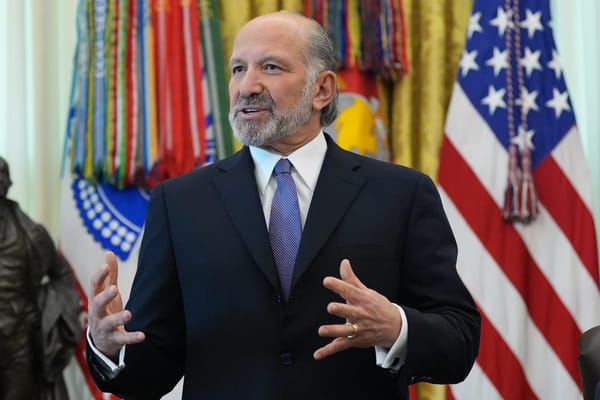
Two former chairs of FirstNet’s board, Richard Carrizzo and Sue Swenson, said in a letter to members of current board that they should oppose any reauthorization that codified Commerce Department oversight over FirstNet Authority or added new reporting requirements, among other things.
They wrote that the measures were included in draft reauthorization legislation they had been made aware of and would “mire public safety in a malaise of political red tape, inflate costs that jeopardize the fiscal efficiency of FirstNet and compromise U.S. resiliency against national disasters and cyberattacks.”
The Senate Commerce Committee is holding a hearing on reauthorizing FirstNet Authority next week.
The draft language would, they wrote, also broaden how FirstNet Authority could spend money and expand interoperability requirements.
“This will allow for ‘open door’ spending for non-network items, eroding resources dedicated to public safety,” the former chairs wrote. They added “FirstNet’s ‘ruthless preemption’ would be diluted, risking the interoperability failures exposed by the 9/11 Commission.”
First responders get priority over commercial traffic in the event of congestion on AT&T’s network. The company has been operating FirstNet, constructed with $6.5 billion in government funding and subsequently funded by user fees, under a 25-year contract since 2017.
Disagreement ahead of Senate hearing
Disagreement over FirstNet’s future is brewing ahead of next week’s hearing. Opening up FirstNet spending to other carriers’s public safety products and increasing oversight were things two law enforcement groups had asked for in a letter to House lawmakers Wednesday.
Those groups, the National Sheriff's Association and Major Cities Chiefs Association, are part of a coalition suing the Federal Communications Commission for attempting to make more spectrum available to FirstNet. That coalition includes T-Mobile and Verizon.
“Congress should ensure that all infrastructure paid for with FNA funds is being used to the benefit of all public safety users, not just the customers of a single carrier,” the groups wrote.
Other law enforcement groups like the Fraternal Order of Police and Public Safety Broadband Technology Association have backed FirstNet’s current structure and opposed changes.
The hearing is set to include as witnesses public safety executives from both AT&T and Verizon, as well as Michael A. Adkinson, Jr., the acting chair of FirstNet Authority’s board.
The increased oversight described by the former FirstNet Authority board chairs is similar to a bill that was advanced by the House Communications and Technology Subcommittee last week.
The Public Safety Communications Act would stand up an office within Commerce to oversee FirstNet Authority and administer NextGen 911 grants.
Rep. Kat Cammack, R-Fla., the bill’s lead sponsor, defended the bill at the subcommittee’s markup.
“NTIA already has the responsibilities related to FirstNet and NextGen 911, but those responsibilities are not clearly defined in statute. This bill fixes that,” she said. “Our bill simply clarifies NTIA’s existing management and oversight role, including conducting regular audits.”
Changes 'unacceptable' to public safety
The former FirstNet Authority board chairs said current members should push lawmakers not to institute those changes and others they said were contained in the draft reauthorization bill.
“We doubt that we need to mention the unacceptability of these changes to public safety,” they wrote. “To put the fate of public safety communications in the hands of Federal bureaucrats and political appointees would ensure that that public safety communications would return to pre-9/11 conditions, endangering the lives of our nation’s first responders and putting America’s communities at risk.”
The FirstNet Authority didn’t immediately respond to a request for comment.
Member discussion