FTC Drops NewsGuard Probe After Yearlong Dispute
Case raises questions about federal scrutiny of private content-rating firms

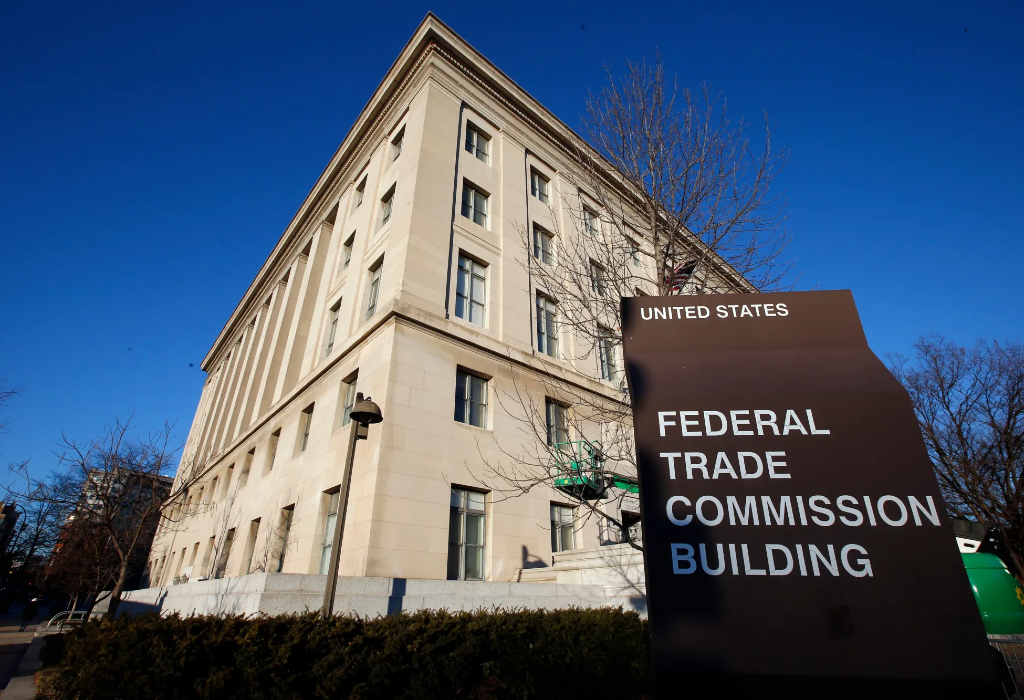
WASHINGTON, April 28, 2026 - Federal regulators have dropped a yearlong yearslong investigation into NewsGuard, ending a probe that raised questions about government scrutiny of private companies that rate online content.
The Federal Trade Commission withdrew its civil investigative demand on April 17, halting an inquiry that required the NewsGuard to turn over more than 40,000 pages of documents and participate in months of negotiations with the agency.
The case highlights growing debate over how private firms shape online information, particularly as content ratings influence digital advertising markets and artificial intelligence systems.

NewsGuard rates news websites for reliability using nine disclosed journalistic criteria and sells those assessments to advertisers, consumers and AI developers.
The FTC launched its investigation in May 2025 with a 21-page subpoena seeking extensive company records dating back to NewsGuard’s founding in 2018. The request included dozens of specifications covering internal documents, communications and business records.
NewsGuard said it spent seven months negotiating with the agency, participated in multiple “meet-and-confer” sessions and ultimately challenged the demand in federal court earlier this year.
The agency did not publicly specify the legal basis for the inquiry, prompting criticism from observers who said the probe raised First Amendment concerns.
The dispute follows broader political scrutiny of NewsGuard. In 2024, Brendan Carr, chairman of the Federal Communications Commission, accused the company of contributing to censorship, citing claims NewsGuard said were based on “false reports” from low-credibility sources.
NewsGuard has said its work does not involve censorship. “Our work does not involve any censorship or blocking of speech at all,” the company said. “Instead of blocking information, we provide users with apolitical reliability analysis.”
Legal analysts pointed to the Supreme Court’s 2024 decision in National Rifle Association v. Vullo, which held that government officials may not use regulatory authority to coerce third parties into suppressing disfavored speech. The ruling established a test for whether official actions could be interpreted as regulatory threats aimed at discouraging protected speech.
Other 2024 Supreme Court rulings in cases involving NetChoice also recognized that private companies may exercise editorial judgment over online content, a principle that may be relevant to services like NewsGuard.
A separate case involving a similar FTC subpoena targeting Media Matters resulted in a preliminary injunction last year, with a federal court finding the agency’s action was driven by “retaliatory animus.” The case has intensified scrutiny of how the commission uses its investigative authority.