GCI Says Timing of $120M Provisional BEAD Award Uncertain Amid Federal Review

The company reported 1,200 lost broadband subscribers in the quarter, for a total of 151,200 subscribers


GCI Says Timing of $120M Provisional BEAD Award Uncertain Amid Federal Review
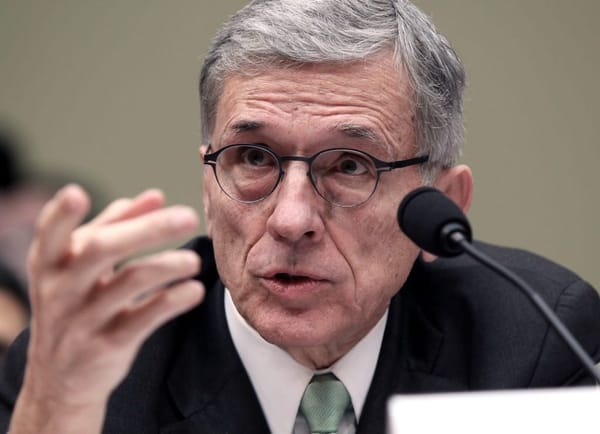
Photo of Ronald A. Duncan, CEO of CGI Liberty, from the company's website.

WASHINGTON, Feb. 17, 2026 – GCI Liberty said it has been provisionally awarded approximately $120 million in federal Broadband Equity, Access, and Deployment funding, though executives cautioned that the timing of final approval remains uncertain as Alaska continues negotiations with the National Telecommunications and Information Administration.

Speaking on the company’s earnings call, CEO Ron Duncan said any BEAD funding ultimately received would help offset capital costs tied to expanding service to unserved areas across the state. The award remains subject to NTIA approval.

“There remains substantial uncertainty about the timing of the final awards, as the state is still in active negotiations with the NTIA regarding the ultimate distribution of Alaska's BEAD funding,” Duncan said.
GCI had tentatively won $140 million in Alaska’s BEAD funding before the number was reduced following curing from NTIA. Alaska released those updated awards, which are still tentative, earlier this month. The state’s total spending under its revised plan would be about $655 million, down from about $777 million in the previous draft.

Alaska is one of just five states that have yet to receive NTIA approval on their BEAD spending plans. The state’s remote geography can lead to high per-location costs for deployment projects, something the Trump administration is making an effort to limit.

GCI expects 2026 to represent peak capital expenditures as it completes buildout obligations under the Alaska Plan, including rural wireless expansion and fiber deployment. Duncan said the company remains focused on “bridging the digital divide through our rural expansion,” while investing in network upgrades and 5G service.

The cable provider reported record annual revenue of $1 billion and more than $400 million in adjusted EBITDA in the fourth quarter of 2025. Executives noted that BEAD support would reduce the financial burden of reaching remote locations, where deployment costs are significantly higher than in urban markets.

The company reported 1,200 lost broadband subscribers in the quarter, for a total of 151,200. Duncan said the decline was due to households opting solely for mobile service, plus “limited competition” from SpaceX and others and a fiber line break. The cable industry has been losing subscribers in recent years as fixed wireless and fiber gain share, and Charter has also pointed to mobile substitution as a factor.

Member discussion

Popular Tags