Gomez Stresses FCC Must Protect Free Speech
The commissioner flagged recent investigations into broadcasters and programming, including ABC's Jimmy Kimmel Live.

Akul Saxena
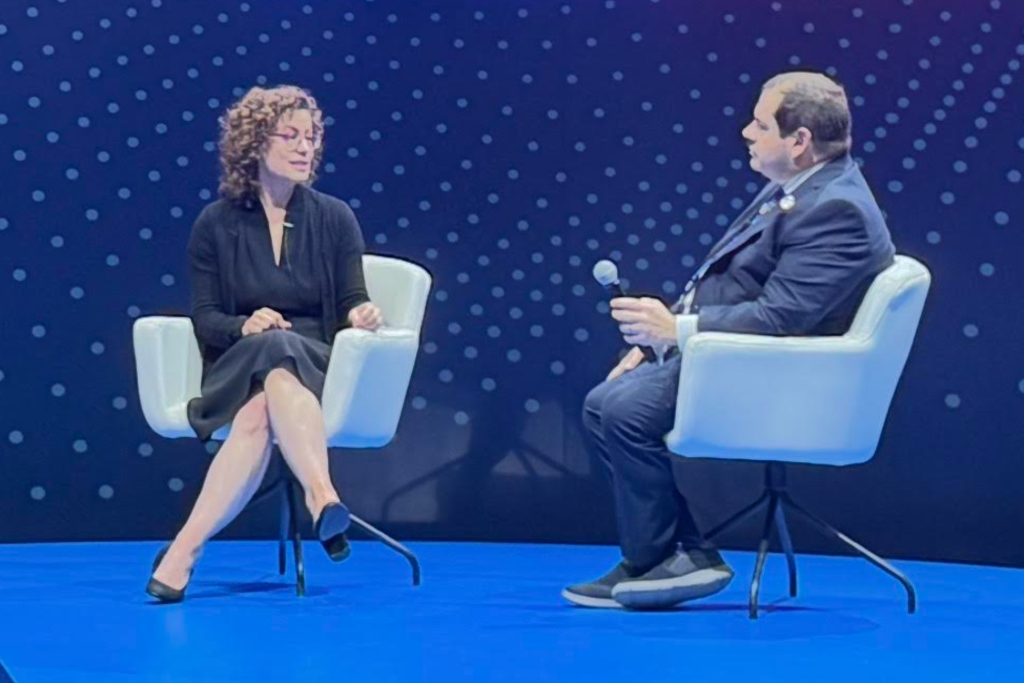
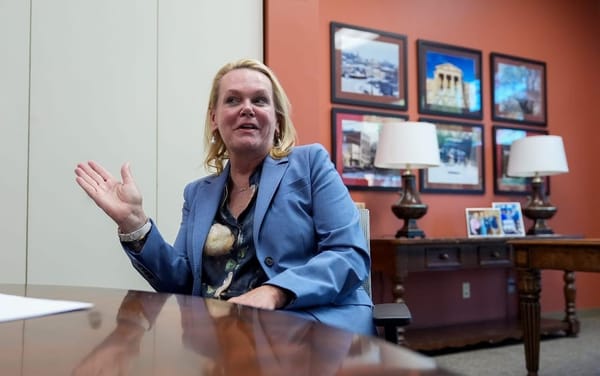
WASHINGTON, Sept. 29, 2025 – Federal Communications Commissioner Anna Gomez said Monday the FCC’s work was inseparable from the First Amendment, urging vigilance against practices that could narrow free expression.
“This administration has… engaged in this campaign of censorship and control,” Gomez said at a cable industry fireside. She argued the FCC must avoid regulating “lawful content” and instead preserve “a multiplicity of voices” as a cornerstone of democratic debate.
Gomez went further, warning that speech does not have to be formally banned to be chilled. She cited investigations into broadcasters and editorial choices, including late-night programming such as Jimmy Kimmel Live as evidence of attempts to pressure outlets into conformity. She also pointed to similar actions against universities, museums, and unions.
“The thing I want everybody to keep in mind is, it’s the process, not the outcome,” Gomez said. Even when the government lacks the legal authority to silence content, she argued, the effort itself can intimidate. Over time, she added, institutions and individuals may censor themselves to avoid scrutiny, which she described as corrosive to democracy.
Separate from her First Amendment concerns, Gomez took issue with how the FCC has taken to changing its rules.
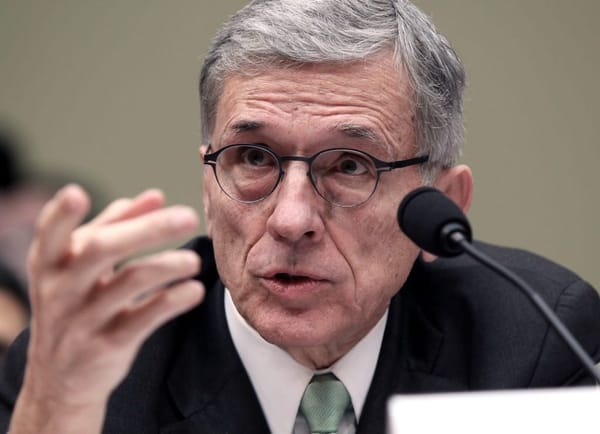
She criticized Chairman Brendan Carr’s (R) reliance on direct final orders to repeal regulations, arguing that skipping the notice-and-comment process “eliminates rules under some vague standard.” She stated that bypassing notice-and-comment threatens consumer protections and accountability.
Gomez also turned to broadband funding. She faulted federal programs that prioritize low-cost deployments over long-term quality. “I call it a race to the bottom, where the only thing that matters is deployment costs,” she said. Such an approach may “satisfy immediate targets but risks leaving many communities behind.”
The stakes, she added, are rising as artificial intelligence becomes central to the digital economy. Reliable high-speed connections are no longer optional. “Everything is going to be AI,” she said, warning that without robust infrastructure, students, workers, and households could be excluded from the tools shaping the future. Broadband, she emphasized, “will matter all the more” in an AI-driven economy.
Gomez recalled working with former Chairwoman Jessica Rosenworcel (D) on issues such as robocall enforcement and public safety. But with Carr now leading the commission, she emphasized three priorities that must guide FCC decisions: protecting free expression, resisting a "race to the bottom" on broadband, and ensuring rules are changed only through transparent, fair procedures.
Member discussion