Great Plains Communications Says Rural Providers Will Need Support Beyond BEAD

Executive says rising bandwidth demands and sparse population make long-term support necessary.

Great Plains Communications Says Rural Providers Will Need Support Beyond BEAD
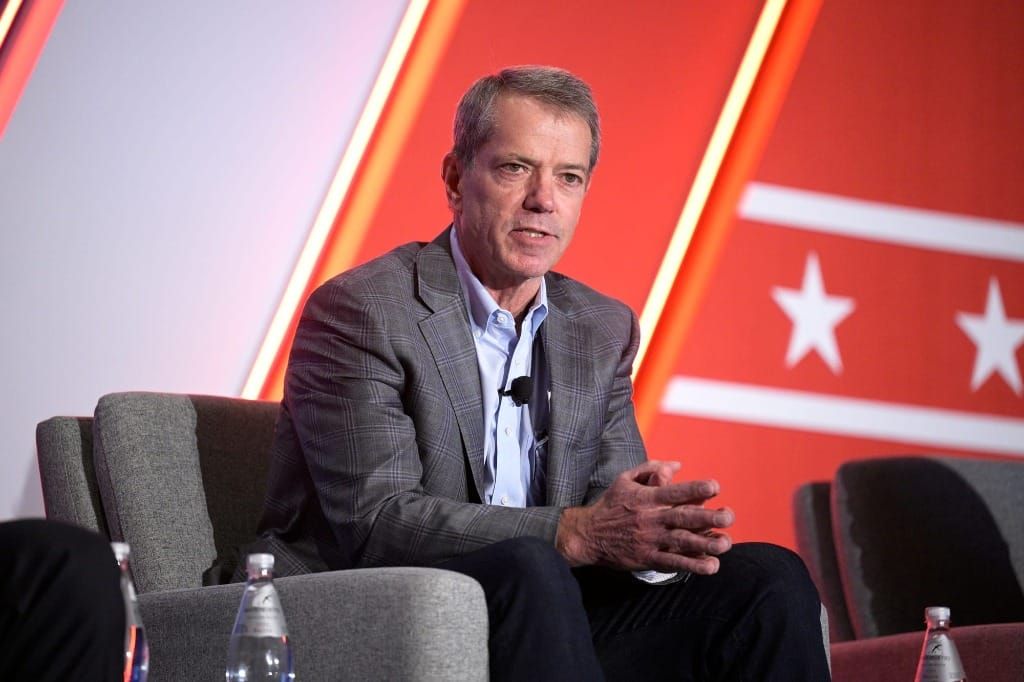
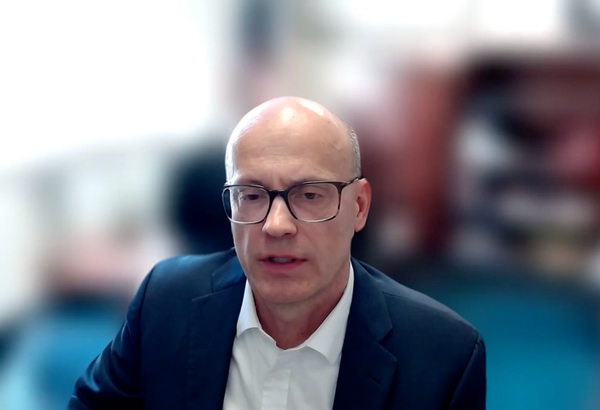
FILE - Nebraska Gov.-elect Jim Pillen, R, speaks at a Republican Governors Association conference, Nov. 16, 2022, by Phelan M. Ebenhack/AP.

WASHINGTON, May 29, 2026 –  At least one Internet Service Provider (ISP) thinks low-density rural areas will need ongoing government support after the goal of closing the digital divide has been achieved.

Great Plains Communications Vice President of Government Affairs John Barrett made the case for operational support following completion of the $42.45 billion Broadband Equity Access and Deployment Program (BEAD), citing growing bandwidth demands.

"The job is not done. Every American might get service at some level, but our companies really need ongoing support, because where we serve, there's still not the financial capability of the customers we serve," Barrett said Tuesday at a Nebraska broadband roundtable.

Barrett highlighted geographic challenges with serving rural areas. Great Plains, he said, covers about 15,000 square miles of Nebraska (about 15 times the size of Rhode Island) and 35,000 customers with roughly 1.7 customers per fiber mile, making it “economically infeasible” to rely solely on customer revenue.  “That’s how sparse it is,” Barrett said.

Barrett said the need for continued support extended beyond network construction. As artificial intelligence applications increase bandwidth demands, providers will need additional investment in equipment and network upgrades to keep pace, he said.

The roundtable, hosted by Sen. Deb Fischer, R-Neb., brought together telecommunications providers, state regulators, and FCC officials to discuss widening broadband access in rural Nebraska.

The discussion comes as roughly $360 million of Nebraska's $405 million allocation from BEAD remains unawarded. Gov. Jim Pillen, R-Neb. has proposed redirecting much of the unused funding toward precision agriculture, biotechnology, and artificial intelligence projects, moves that would require federal approval.

Popular Tags