
Groups to FCC: Continue Assessing Broadband Affordability, Adoption
The agency is set to vote Thursday on whether to propose scrapping the inquiries, which were first conducted last year.

WASHINGTON, August 4, 2025 – The Federal Communications Commission should still assess broadband affordability and adoption as part of its annual report on deployment, consumer advocates told the agency.
The FCC is set to vote Thursday on a notice of inquiry that would kick off its annual report on whether broadband “is being deployed to all Americans in a reasonable and timely fashion.” The agency last year under Democratic chairwoman Jessica Rosenworcel assessed affordability and adoption as part of the report, which the public draft of the notice would propose to scrap.
The public draft of the inquiry said that section 706 of the Communications Act, which mandates the report, only calls for assessing incremental infrastructure deployment and that the other inquiries, which FCC Chairman Brendan Carr criticized at the time, were unnecessary. Representatives from Public Knowledge, the National Digital Inclusion Alliance, and X-Lab met last week with staff from the offices of commissioners Olivia Trusty and Anna Gomez to urge against the move.

“The proposed reinterpretation of Section 706 is similar to grading our nation on a curve,” the groups wrote in ex parte filings after the meetings. “It invites self-congratulations for incremental progress which will ultimately harm the millions of Americans in rural areas and low-income communities who still, in 2025, are unable to access broadband due to deployment, affordability, or other adoption barriers.”
They argued future policy interventions aiming to promote broadband use would be better informed if the FCC continued collecting information about adoption and affordability.
The draft would also explicitly focus the assessment on whether satisfactory incremental progress was being made, saying that was a better reading of the law. The 2024 report found broadband was not being satisfactorily deployed because of the 7 percent of households that still lacked access according to FCC data from the time.
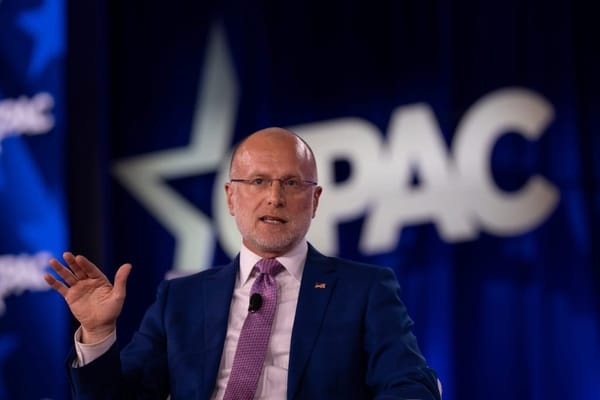
Carr, a commissioner at the time, dissented from that previous 706 report. He had similar concerns then, saying the inquiries into affordability and adoption weren’t justified by the Communications Act and that the agency should have come to a positive finding because of the incremental progress since the last report.
He also opposed the 100 * 20 megabits per second speed benchmark that the agency used for the first time to define broadband. The public draft of the notice of inquiry would ultimately propose to stick with that standard, but would seek input on whether that’s the right move.
Broadband grant programs run by the FCC and other agencies typically require 100 * 20 Mbps speeds to qualify for funding.





Member discussion