
House Approves Undersea Cable Control Act
Bill orders federal strategy to keep undersea cable tech out of adversaries’ hands.

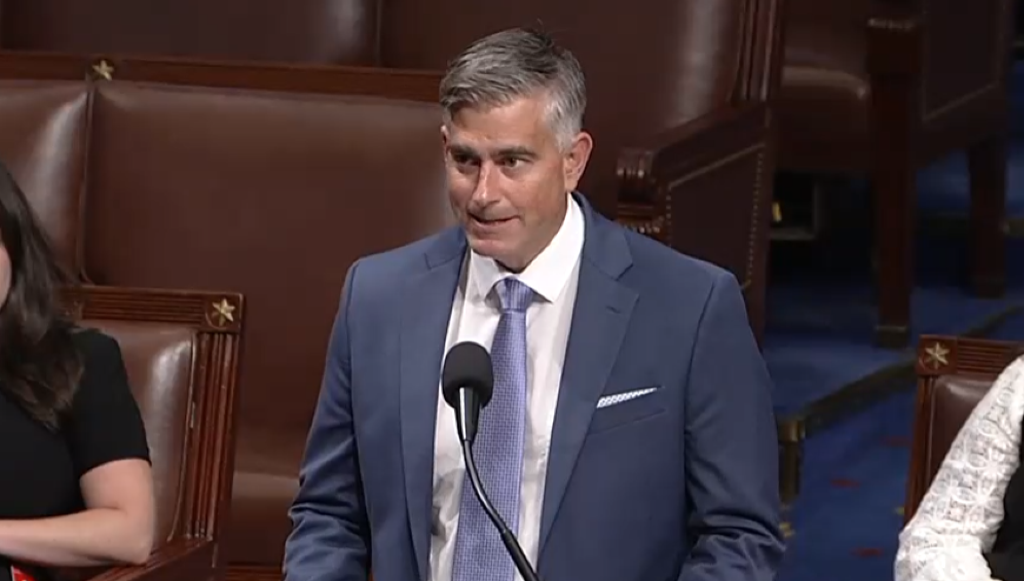
WASHINGTON, Sept. 3, 2025 – The House on Tuesday passed legislation to tighten U.S. control over critical fiber optic undersea cable equipment.
The Undersea Cable Control Act would require the Commerce and State Departments to develop a strategy to prevent foreign adversaries like China from acquiring technologies used in undersea cables. The bill passed by voice vote under suspension of the rules and now heads to the Senate.
The bill’s sponsor, Rep. Tom Kean, R-N.J., called undersea cables the “digital backbone of the modern global economy,” noting that they carry approximately “$1 [trillion] to $10 trillion in daily financial transactions and contribute hundreds of billions of dollars to the U.S. economy every year.”

If enacted, the legislation would direct the Commerce and State Departments to identify key items in the cable supply chain, evaluate whether they belong on the federal Commerce Control List, and pursue bilateral and multilateral agreements with allies to prevent their sale to adversaries.
“Over 99 percent of the world’s data that crosses the oceans travels through the fiber optic cables that sit on the sea floor. This bill requires the U.S. to develop and execute a strategy to protect this critical infrastructure,” said Rep. Michael Baumgartner, R-Wash., managing the bill on the floor.
The law also requires annual reporting to Congress and mandates U.S. engagement at international standards bodies that set technical rules for cable systems.
Rep. Joaquin Castro, D-Texas, said the bill was “long overdue,” adding that “control and manufacture of these cables will matter in any conflict. The United States, with allies and partners, must maintain strategic independence and should seek to become the primary source of this critical infrastructure.”
The bill would require the Bureau of Industry and Security in the Commerce Department to deliver a relevant study. Thirty days after that report, the president would be required to begin briefing congressional committees on negotiations with allies, continuing every 180 days until agreements are reached.
“By limiting our foreign adversaries' access to undersea cable infrastructure, we can protect from the influence of adversarial governments like the Chinese Communist Party,” Kean concluded. “There is a need to ensure that technology critical to America's telecommunications infrastructure does not end up in the wrong hands.”






Member discussion