
House Dems: States May Need to ‘Reconsider’ SpaceX BEAD Awards
They had concerns about the company’s proposed contract rider, which was rejected by NTIA.

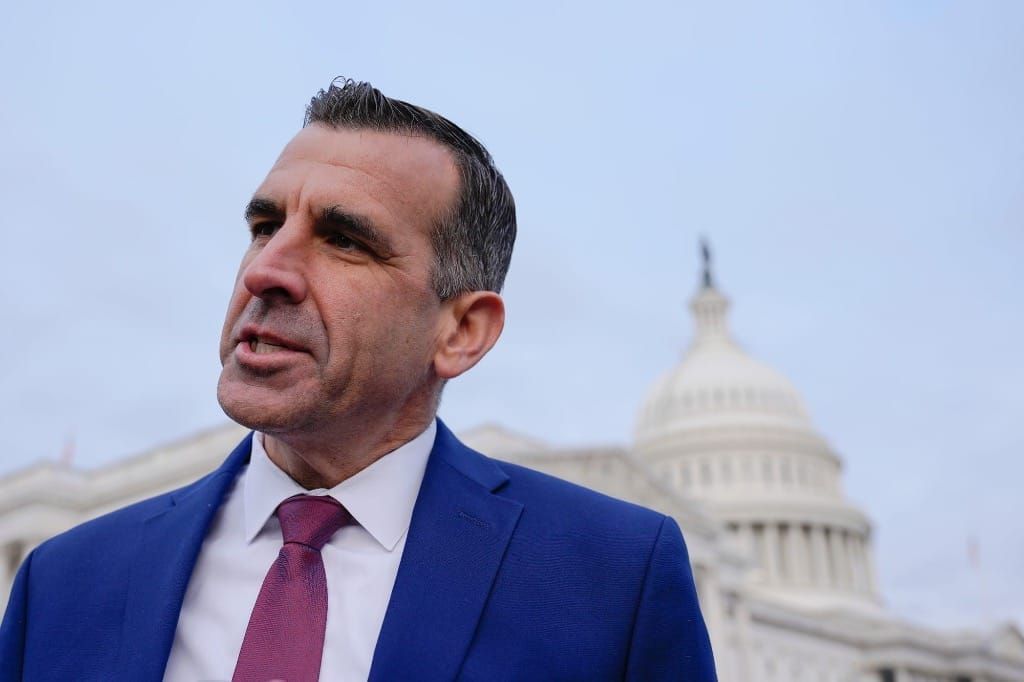
WASHINGTON, April 6, 2026 – More than 20 House Democrats say they have “deep concern” about satellite ISP SpaceX’s participation in a $42.45 billion broadband grant program after the company asked state broadband offices to relax some of the program’s rules.
“Other providers that participated in BEAD presumably did so in good faith, with a clear understanding of the rules. Starlink’s proposed rider suggests that it did not,” the lawmakers wrote in a letter last week to Arielle Roth, head of the National Telecommunications and Information Administration. “If Starlink cannot comply with the standards that other BEAD providers have accepted, NTIA and state broadband offices must reconsider these awards.”
In January, SpaceX asked states to modify rules around performance testing and other provisions of the Broadband Equity, Access, and Deployment program before signing contracts with the company. NTIA, which is managing the program at the federal level, then released an updated FAQ document telling states that they couldn’t negotiate deals with grant winners that conflicted with BEAD rules.

Commerce Secretary Howard Lutnick told senators in February that the company’s contract rider “is outside the statute, and it is rejected by us. There will be no rider.”
SpaceX committed to serve about 476,000 locations under the program,the most of any single provider, in exchange for more than $787 million, according to a Connected Nation tally. Bidding concluded in each state last year, but the company told state broadband offices when it proposed its contract terms in January that “a number of issues remain that, if unaddressed, could render LEO participation in the program untenable.”
That gave the lawmakers, led by Rep. Sam Liccardo, D-Calif., concern. They said SpaceX’s Starlink service was adequate for remote locations but worried about its ability to increase its domestic customer base and meet BEAD minimum standards, something the service currently doesn’t always do.
“We agree that Starlink offers LEO satellite technology that offers an important tool to connect the most hyper-remote, hardest-to-reach locations where terrestrial infrastructure remains cost-prohibitive,” the lawmakers wrote. “Yet Starlink’s proposed rider constitutes an implicit admission that it cannot meet its obligations to taxpayers and the hundreds of thousands of families depending on BEAD as an economic and educational lifeline.”
Ookla speed test data from the end of 2025 showed nearly 45 percent of Starlink subscribers in the U.S. experienced BEAD minimum speeds of 100 * 20 megabits per second (Mbps). While still less than half, that number grew quickly over the course of the year from just 17 percent in the first quarter of 2025.
NTIA ‘appropriately modified’ BEAD, but SpaceX must meet standards
Democrats in Congress, including signatories to last week’s letter, have been critical of the Trump administration’s decision to move BEAD away from prioritizing fiber-optic cable, which offers the highest available speeds but is more expensive to deploy, and allowing more participation from satellite providers. So have some Republicans.
But they said in the letter the administration “appropriately modified” the program by adopting “a more technology-neutral approach that allowed greater competition from non-fiber operators.” Roth defended the decision at a Broadband Breakfast event last month, arguing the U.S. should not have sidelined an American firm that dominates the global satellite broadband market.
“It’s all the more important given that we’re in a global technology race centered on commercial space,” she said. “We’re actually in the process of really showing the rest of the world how beneficial these networks can be, from the point of view of getting high-speed broadband access to some of the most remote areas of the country and the world.”
Satellite broadband dishes need clear views of the sky to function properly, and Starlink had asked states to exclude from any performance testing locations that it won under BEAD if they don't have the requisite clear view.
The company also asked to be paid over time – with 50 percent coming after a certification that the company could provide service – rather than by subscriber milestones. That’s allowed under the program, but most states would prefer subscriber benchmarks, a state official said at the time.
Those were two requests the lawmakers wanted to see denied.
States are still working out contracts with their grant winners, now that NTIA has cleared all but three state spending plans. Some states like Louisiana have begun signing those agreements with terrestrial ISPs.
SpaceX did not immediately respond to a request for comment.
Correction: A previous version of this story said "nearly 20" House Democrats had written to NTIA. In fact, 21 signed the letter.







Member discussion